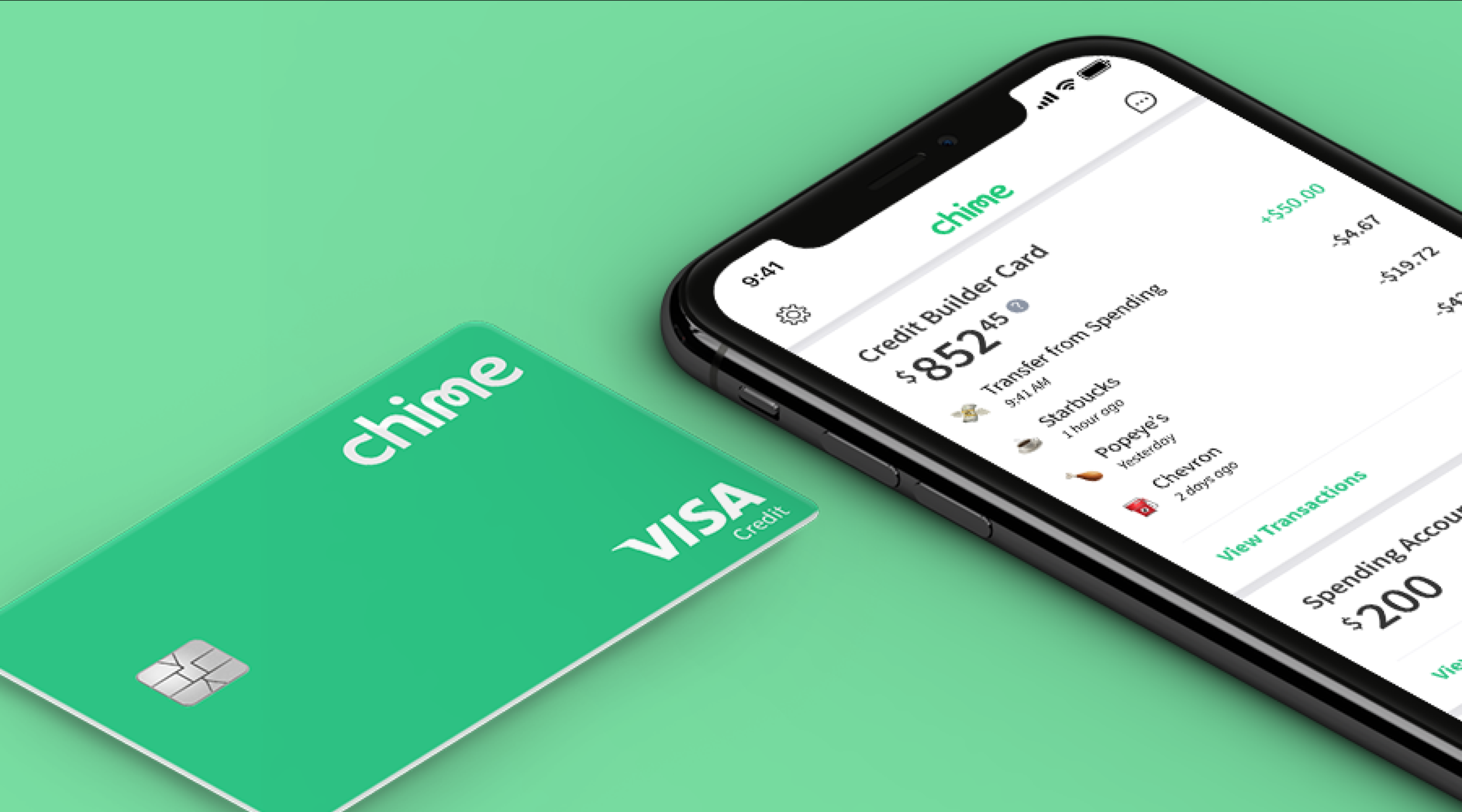
Future Trends in Credit Cards: Technological Innovations and Market Changes
Current Trends in the Credit Card Industry
The credit card industry is experiencing considerable changes, primarily influenced by technological innovations and evolving market dynamics. As society becomes increasingly digital, both financial institutions and consumers are adapting to these new realities, thereby altering their interactions and expectations regarding credit cards. Understanding these shifts is essential for stakeholders, including issuers, merchants, and consumers, to effectively navigate the changing landscape.
Emerging Developments
Several contemporary trends are dictating the direction of credit card offerings and consumer behavior:
- Contactless Payments: The rise in mobile wallets such as Apple Pay and Google Wallet has significantly boosted the adoption of contactless payment methods. As consumers prioritize health and safety, particularly in a post-pandemic world, the demand for quicker and touchless transactions has surged. For example, many retailers in the U.S. have started to offer contactless options at checkout, facilitating a seamless shopping experience.
- Artificial Intelligence: AI technologies are revolutionizing the way financial institutions approach customer service and fraud detection. Advanced algorithms analyze transaction data to detect unusual spending patterns, enabling banks to alert customers in real time and prevent potential fraud. Additionally, AI-driven chatbots enhance customer experiences by providing personalized assistance, enriching the overall user engagement.
- Blockchain Technology: The introduction of blockchain has the potential to transform credit card transactions by increasing transparency and reducing fraud. Utilizing decentralized ledgers promises to enhance security and may lead to lower transaction costs for consumers and businesses alike. Institutions exploring this technology could gain a competitive edge, opening new avenues for secure transactions.
Shifting Consumer Preferences
As consumer behaviors evolve, there is an increasing emphasis on flexibility and value in credit card offerings. This shift is pushing issuers to innovate their products, leading to:
- Customized Rewards: Many issuers are developing reward programs tailored to individual spending habits. For instance, consumers who frequently dine out may benefit from higher cashback rates on restaurant purchases, enhancing loyalty and engagement.
- Subscription-Based Models: A growing number of credit cards are integrating subscription services into their offerings. These cards may include perks such as free access to streaming services or discounted memberships to fitness clubs, aligning with consumers’ lifestyles and preferences.
- Enhanced Credit Scores: Certain credit card products are aimed at helping consumers improve their financial health. These cards often feature educational resources and tools to monitor credit scores, creating a more financially literate consumer base.
In conclusion, the evolution of the credit card market highlights the intersection of technological advances and changing consumer preferences. As these trends continue to unfold, it is imperative for financial institutions and other relevant stakeholders to remain agile and responsive to these developments, ensuring they meet the needs of modern consumers in an increasingly digital world.
DIVE DEEPER: Click here to learn how to allocate funds effectively
Technological Innovations Shaping the Future of Credit Cards
As the credit card industry navigates the rapid pace of technological advancements, several innovations are poised to redefine the way consumers engage with credit. Financial institutions are leveraging cutting-edge technologies to enhance security, streamline processes, and improve customer experience. This transformation is primarily driven by the need for efficiency, security, and user-centric solutions.
Integration of Advanced Security Features
With the increasing prevalence of cyber threats, the credit card industry is prioritizing security through innovative measures. Key trends include:
- Biometric Authentication: The integration of biometric features such as fingerprint recognition and facial scanning is becoming more common in credit card transactions. This technology ensures that only authorized users can access their accounts, significantly reducing the risk of fraud.
- Dynamic CVV Codes: In an effort to bolster security for online transactions, issuers are starting to implement dynamic CVV codes that change periodically. This decreases the likelihood of fraudulent activities since the code is valid for only a short time.
- Tokenization: Tokenization replaces sensitive credit card information with unique identification symbols (tokens) that cannot be traced back to the original data. This method minimizes the risk associated with data breaches and enhances consumer confidence in online and mobile transactions.
The Role of Artificial Intelligence in Risk Management
Artificial intelligence (AI) is becoming an essential component of risk management and fraud detection within the credit card sector. By utilizing machine learning algorithms, financial institutions are able to:
- Predict and Prevent Fraud: AI systems can analyze spending patterns in real-time, identifying anomalies indicative of potential fraud. This proactive approach allows issuers to intervene promptly, thereby minimizing losses and protecting consumer assets.
- Enhance Credit Risk Assessment: AI tools can evaluate consumer creditworthiness more efficiently by aggregating data from various sources, including transaction history and social behavior. This capability leads to more accurate risk assessments and personalized credit offerings.
- Automate Customer Service: The deployment of AI-powered chatbots for customer service purposes helps address consumer inquiries and issues efficiently. These intelligent systems can handle routine questions, freeing up human agents to focus on more complex problems.
As these technological innovations continue to gain traction, the impact on the overall credit card market will be significant. The emphasis on enhanced security mechanisms, driven by technological advancements, not only protects consumers but also enables issuers to maintain customer loyalty and mitigate risks. Furthermore, the integration of AI into financial services represents a shift towards a more data-driven approach, facilitating smarter decision-making processes that benefit both consumers and issuers alike.
DIVE DEEPER: Click here to unlock more benefits
Market Changes Influencing Credit Card Dynamics
As the credit card industry evolves, market changes are significantly reshaping consumer preferences and behaviors. A confluence of factors, including evolving consumer expectations, regulatory shifts, and competitive pressures, is prompting credit card issuers to adapt their offerings and maintain relevance in a fast-paced environment. These changes reflect a broader trend towards personalization, sustainability, and enhanced customer engagement.
The Shift Towards Sustainability
Today’s consumers are increasingly prioritizing sustainability in their purchasing decisions, and this trend is permeating the credit card sector. Credit card issuers are responding by introducing eco-friendly solutions:
- Green Credit Cards: Many financial institutions are launching eco-conscious credit cards that are made from recycled materials and offer rewards for sustainable purchases, such as eco-friendly products or services. For example, cards from companies like American Express and Chase now include incentives for users who spend on green initiatives.
- Carbon Offset Programs: Some issuers are implementing initiatives where a portion of transaction fees is dedicated to offsetting carbon emissions. This allows consumers to contribute to sustainability efforts seamlessly through their everyday spending.
As lenders seek to attract a growing demographic of environmentally aware consumers, these sustainable options are poised to become a key differentiator in the market.
Emergence of Contactless Payments
The rise of contactless payment technology has become a defining trend within credit card usage. The COVID-19 pandemic accelerated consumer adoption of contactless transactions, leading to several beneficial trends:
- Enhanced Convenience: Contactless payments allow for quick and efficient transactions. Consumers can simply tap their cards or mobile devices at checkout, significantly reducing transaction time and enhancing the overall shopping experience.
- Broader Acceptance: As more merchants adopt contactless payment systems, the infrastructure to support these transactions is becoming widespread. Major retail chains, public transportation systems, and even vending machines are now equipped to handle contactless payments, further cementing its popularity.
Embracing Digital Wallets and Cryptocurrencies
The rise of digital wallets and cryptocurrencies is reshaping the credit card landscape. Credit card issuers are adapting their strategies to accommodate these burgeoning trends:
- Integration with Digital Wallets: Credit cards are increasingly being integrated into digital payment platforms such as Apple Pay, Google Pay, and Samsung Pay. This integration enhances payment flexibility and speed, allowing consumers to store multiple cards in one digital wallet for effortless transactions.
- Support for Cryptocurrencies: In response to growing interest in cryptocurrencies, some credit card issuers are exploring options to facilitate crypto transactions. Cards that allow consumers to earn rewards in cryptocurrency or make purchases directly with digital currencies are slowly entering the mainstream market, appealing to a tech-savvy, younger demographic.
As these market changes continue to unfold, issuers who can embrace technological innovations while addressing consumer desires for sustainability and digital engagement will likely secure a competitive edge. The landscape of credit cards is becoming more dynamic, emphasizing a consumer-centric approach that blends technology with evolving market expectations.
DIVE DEEPER: Click here to learn about diversified portfolios
Conclusion
In conclusion, the future of the credit card industry is poised for transformative change, driven by a distinct interplay of technological innovations and evolving market dynamics. As consumers continue to demand enhanced convenience, personalized experiences, and sustainable solutions, credit card issuers must prioritize adaptability and forward-thinking strategies to maintain their competitive edge. The integration of contactless payment technology and the rise of digital wallets reflect a significant shift in consumer behavior, emphasizing speed and accessibility in transactions. Moreover, the growing emphasis on sustainability has urged financial institutions to innovate by offering green credit cards and implementing carbon offset programs, aligning their offerings with the environmental values of an increasingly conscious consumer base.
As we look ahead, the potential to embrace cryptocurrencies within traditional credit frameworks presents an exciting opportunity to capture the interest of a tech-savvy demographic eager for integration between digital assets and everyday spending. Issuers that effectively adopt these trends while being responsive to regulatory changes and competitive pressures will not only attract customers but also foster long-term loyalty. Ultimately, the credit card landscape is becoming progressively consumer-centric, underscoring the need for ongoing innovation and engagement. Embracing these emerging trends with a keen awareness of consumer preferences will be essential for financial institutions committed to leading in this dynamic market.

Linda Carter
Linda Carter is a writer and financial expert specializing in personal finance and financial planning. With extensive experience helping individuals achieve financial stability and make informed decisions, Linda shares her knowledge on our platform. Her goal is to empower readers with practical advice and strategies for financial success.