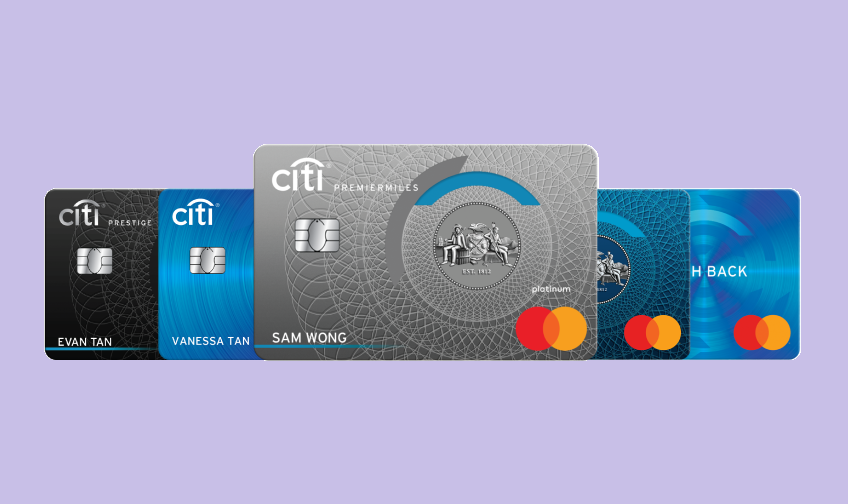
The pros and cons of reward credit cards

Reward credit cards are specifically designed to incentivize consumer spending, transforming routine purchases into potential savings or benefits. These cards reward users in the form of cash back, travel points, or other perks. Such incentives not only enhance the shopping experience but also enable consumers to capitalize on their spending habits. However, a comprehensive understanding of both their benefits and drawbacks is essential for making prudent financial choices.
Benefits of Reward Credit Cards
Many consumers find that reward credit cards enhance their buying experience through various features. For instance, the most notable advantage is:
- Cashback offers: Reward credit cards typically provide a percentage of cash back on purchases, which can vary based on the category of spending. Common categories include groceries, gas, and dining, often yielding rates from 1% to 5%. For example, a card might offer 3% back on groceries, making it beneficial for families or individuals who prioritize food purchases.
- Travel rewards: Cardholders can accumulate points that are redeemable for flights, hotel accommodations, and various travel experiences. Many cards partner with airlines and hotel chains, which can lead to significant savings for frequent travelers. For example, one might earn enough points for a free round-trip flight after a year of consistent spending.
- Sign-up bonuses: Many credit cards entice new users with lucrative bonuses that can be unlocked by spending a specific amount within the initial months of account opening. Bonuses commonly offer thousands of points or hundreds of dollars in cashback, providing immediate value and encouraging users to take full advantage of their spending.
Challenges of Reward Credit Cards
Despite their allure, these cards can also present certain challenges that may offset potential benefits:
- High-interest rates: Reward credit cards can come with high annual percentage rates (APRs) that, if not paid off in full each month, can lead to excessive interest charges. This often negates any rewards accrued, making it critical for consumers to manage their balances wisely.
- Annual fees: While some reward cards offer exceptional benefits, they might also carry annual fees that can exceed the value of rewards earned. It is important for cardholders to conduct a cost-benefit analysis to ascertain whether the benefits offset the fees.
- Complex reward systems: The intricacies of reward structures can be overwhelming. Some cards offer rotating categories or tiered rewards that may require careful monitoring and strategic planning to maximize benefits. Users may find themselves confused about which purchases yield the best returns.
Understanding these pros and cons is essential for making informed financial decisions. It involves assessing personal spending habits and determining if a reward credit card aligns with one’s financial strategy. By critically analyzing both the merits and challenges of these cards, consumers can harness their benefits while steering clear of potential pitfalls.
DIVE DEEPER: Click here to learn more
Understanding the Benefits of Reward Credit Cards
Reward credit cards provide a plethora of benefits that can significantly enhance how consumers manage their finances and expenditures. Here are several key advantages:
- Increased Incentives for Everyday Spending: By using a reward credit card, consumers can turn their routine expenses into lucrative rewards. For example, a card that offers 2% cash back on all purchases allows users to earn money simply for spending on bills, groceries, and everyday necessities. This can dramatically reduce net expenditures over time.
- Access to Exclusive Offers and Discounts: Many reward credit cards come with partnerships that provide cardholders with exclusive deals, discounts, or rewards from various retailers and service providers. These partnerships can offer significant savings on purchases that one may already be planning, thus maximizing the benefits of using the card.
- Flexibility in Redemption: Reward programs often allow cardholders to redeem their points in various ways, including cash back, gift cards, travel experiences, or merchandise. This flexibility means users can choose how they want to utilize their rewards, catering to their individual preferences and financial goals.
- Improvement of Financial Management Skills: Utilizing a reward credit card can encourage consumers to keep a closer eye on their spending habits. By monitoring the categories that yield more rewards, users may become more conscious of their expenses, potentially leading to better budgeting practices over time.
Potential Drawbacks of Reward Credit Cards
While the advantages of reward credit cards are enticing, they come with potential pitfalls that consumers should carefully consider before applying:
- Risk of Overspending: The allure of earning rewards can sometimes lead to impulse purchases or overspending. Consumers might feel compelled to buy items they do not need simply to accumulate points, which can ultimately harm their financial well-being.
- Impact on Credit Score: Reward credit cards can affect one’s credit score if not managed properly. Opening multiple accounts for rewards can result in frequent credit inquiries, and carrying high balances can negatively influence the credit utilization ratio, a critical factor in credit scoring.
- Expiration of Rewards: Many reward programs have expiration dates or specific conditions for redeeming points. Consumers may find themselves missing out on rewards if they do not utilize their cards frequently enough or if they fail to redeem points within the allotted time frame.
In conclusion, while reward credit cards can provide enticing incentives for responsible consumers, they also require careful management and self-discipline. By weighing the benefits against the potential drawbacks, individuals can make well-informed decisions that align with their financial objectives and spending patterns.
DISCOVER MORE: Click here for detailed application steps
Evaluating Additional Considerations in Reward Credit Card Use
Beyond the primary advantages and drawbacks, there are several other factors to consider when utilizing reward credit cards that can impact long-term financial health. Understanding these nuances helps consumers to make informed choices about their credit card usage.
- Annual Fees: Some reward credit cards charge an annual fee, which can offset the value of any rewards earned. It is critical for consumers to assess whether the benefits they receive justify the cost of the fee. For instance, a card with a $95 annual fee may still be worthwhile if it offers higher reward rates or valuable perks, such as travel insurance or rental car coverage, that align with a user’s spending habits and lifestyle.
- Complex Reward Structures: The reward systems of credit cards can often be complicated, with different earning rates on various spending categories. This may lead to confusion over which purchases will yield the most rewards. For example, a card may offer 3% back on dining and 1% on everything else, which means consumers need to strategize their spending to maximize rewards. Clear understanding of these structures is vital to ensure users capitalize on their card’s advantages.
- Interest Rates on Unpaid Balances: Consumers must recognize that any rewards earned could be offset by high interest charges if balances are not paid in full each month. Many reward credit cards come with higher-than-average Annual Percentage Rates (APRs). Therefore, accruing debt while attempting to earn rewards can negate financial benefits. According to a 2022 Credit Card Borrower Study, those who carry a balance can end up spending significantly more in interest than they earn in rewards.
- Impact on Travel Opportunities: For frequent travelers, many reward credit cards offer enhanced travel benefits such as airline miles, hotel points, and access to exclusive travel perks. However, consumers should ensure that they will actually utilize these features. The value of travel rewards diminishes if a consumer does not travel frequently or if they are unable to take advantage of the associated benefits, such as companion tickets and travel protections.
- Fraud Protection and Security Features: Reward credit cards often come with enhanced security measures and fraud protection, offering consumers peace of mind in an age where credit card fraud is prevalent. Many issuers provide zero liability for unauthorized transactions, safeguarding users against potential losses. Understanding these security features and utilizing them can add significant value to the card experience.
In summary, while reward credit cards offer significant potential for accumulating rewards and enhancing financial management, consumers should carefully examine various factors such as fees, interest rates, and personal spending habits. Making informed choices based on a comprehensive understanding of the rewards landscape can lead to substantial financial benefits, provided that users remain vigilant of the associated risks.
LEARN MORE: Click here for a step-by-step guide
Conclusion
In conclusion, reward credit cards present a unique opportunity for consumers to maximize their purchasing power through accumulated benefits. While the potential for earning rewards—whether through cash back, travel points, or discounts—can enhance consumer spending habits if managed effectively, it is imperative to approach these financial products with caution. The complexity of reward structures and the burden of annual fees can sometimes overshadow the advantages they offer. Moreover, the tendency to incur high-interest balances poses a significant risk that can derail the financial benefits originally intended by using reward cards.
It is essential for consumers to conduct thorough evaluations of their own financial habits before committing to a reward credit card. This includes considering factors such as annual fees, the potential for interest charges, and the practicality of travel rewards. Additionally, leveraging the fraud protection features inherent in many of these cards can safeguard against financial losses but should not be the sole reason for their use.
Ultimately, a calculated approach that weighs the pros against the cons, aligned with individual financial strategies and goals, will enable consumers to make the most of their reward credit cards. To this end, consumers are encouraged to periodically reassess their credit card choices to ensure that they remain optimized for their current lifestyle and financial objectives. By maintaining vigilance and adapting to evolving financial scenarios, it is possible to enjoy the full spectrum of benefits that reward credit cards can provide.

Linda Carter
Linda Carter is a writer and financial expert specializing in personal finance and financial planning. With extensive experience helping individuals achieve financial stability and make informed decisions, Linda shares her knowledge on our platform. Her goal is to empower readers with practical advice and strategies for financial success.