Integrating Eco-Friendly Practices into Your Home Cleaning Strategy
Embrace a Greener Clean
With the increasing concern over environmental issues, many individuals are seeking eco-friendly cleaning solutions to incorporate into their daily routines. Implementing sustainable practices in home cleaning not only supports the planet, but it also promotes a healthier living environment for you and your family. Embracing a greener clean can significantly reduce your household’s carbon footprint and create a safer space free from harmful chemicals.
Consider integrating the following green cleaning strategies into your cleaning routine:
- Natural Ingredients: Use products that are made from natural, biodegradable components. For instance, many commercially available eco-friendly cleaners utilize plant-based surfactants and acids instead of synthetic chemicals. Look for brands with certifications from organizations like the Environmental Protection Agency (EPA) that prioritize sustainable practices.
- Reusable Tools: Opt for reusable cloths and mop heads instead of disposable options. Invest in high-quality microfiber cloths that can capture dust and dirt efficiently, and can be washed and used multiple times. This simple change can help reduce the plastic waste that comes from disposable cleaning products.
- Homemade Cleaners: Create effective cleaning solutions using vinegar, baking soda, and essential oils. For example, a simple all-purpose cleaner can be made at home by mixing equal parts of vinegar and water in a spray bottle. Add a few drops of essential oils like lemon or lavender for a pleasant scent. Homemade cleaning solutions not only save money but also let you control the ingredients, ensuring they are safe for your home.
The shift towards eco-friendly practices can seem daunting, but it is essential for reducing chemical exposure within homes. Research has shown that traditional cleaning supplies can release toxic substances, impacting indoor air quality and potentially causing health issues over time. Common ingredients in conventional cleaners, such as ammonia and chlorine bleach, can lead to respiratory problems and skin irritations. By making small changes, you can significantly contribute to environmental sustainability and enhance the well-being of your household.
As you embark on your eco-friendly cleaning journey, explore the wealth of resources available to help you make informed choices. Websites like the EPA and the Green Seal provide guidance on environmentally safe products and practices. Additionally, community workshops or online forums can connect you with DIY enthusiasts who share innovative recipes and ideas for green cleaning. With the world of green cleaning at your fingertips, you can uncover countless options to explore and incorporate into your life.
Ultimately, embracing a greener clean is not just about using different products but also about cultivating a mindset geared toward sustainability. By prioritizing eco-friendly cleaning methods, you are not only caring for your home but also playing a vital role in preserving the planet for future generations. Join the movement towards a healthier, greener lifestyle and find satisfaction in knowing you’re making a difference.
LEARN MORE: Click here for effective cleaning strategies
Transform Your Cleaning Habits
As the movement toward sustainability continues to gain momentum across the United States, many households are opting for eco-friendly cleaning practices that not only benefit the environment but also create a safer living space. To successfully integrate these sustainable methods into your home cleaning strategy, consider adopting the following practical tips that will make your cleaning routine more environmentally conscious and efficient.
- Assess Your Supplies: Take stock of your current cleaning products. Many common household cleaners contain harsh chemicals that can harm both your health and the environment. Look for alternatives that feature plant-based ingredients or are labeled as biodegradable. Brands like Method and Seventh Generation offer a variety of eco-friendly options that are effective and safer to use. By carefully selecting products, you can reduce chemical exposure and minimize waste generated from traditional cleaners.
- Optimize Water Use: Water wastage is a significant concern, and many cleaning practices contribute to it unnecessarily. When mopping or cleaning surfaces, try to use a minimal amount of water. For instance, consider a spray mop that allows you to control water usage for more efficient cleaning. Additionally, turning off the tap while you scrub dishes or surfaces can mean substantial water savings, contributing to overall sustainability.
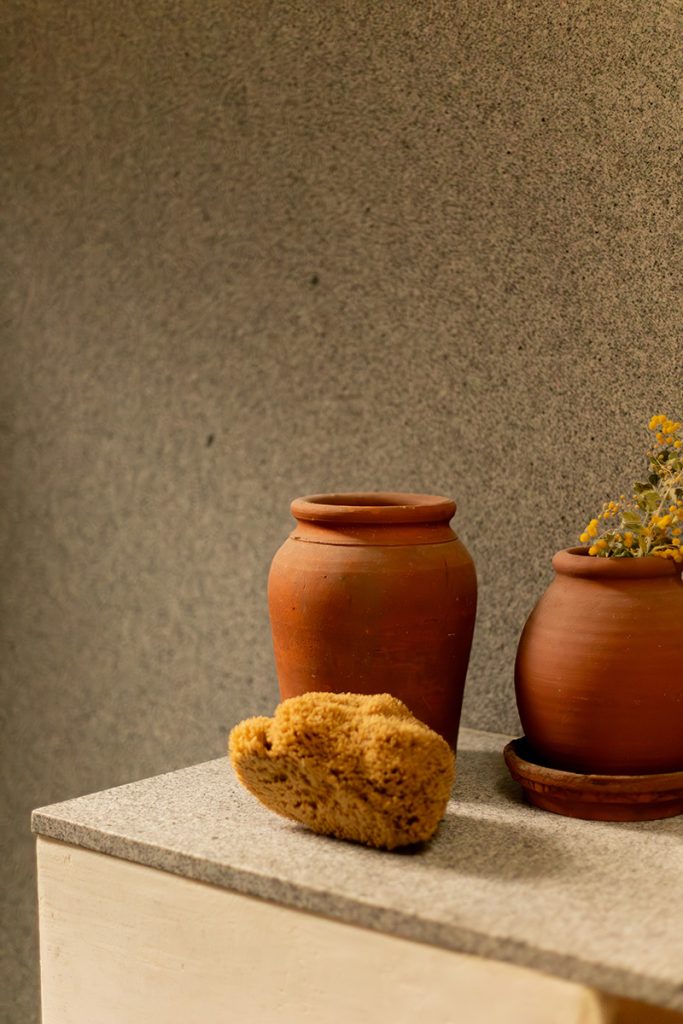
- Choose Non-Toxic Materials: The materials you use for cleaning can make a big difference. Opt for biodegradable sponges, brushes, and scrub pads made from natural fibers rather than synthetic ones. These alternatives not only perform well but also break down more easily after use, reducing plastic pollution. Some brands offer compostable sponges that return nutrients to the earth instead of contributing to landfills.
- Limit Air Fresheners and Fragrances: Many commercial air fresheners contain synthetic fragrances and chemicals that can actually worsen indoor air quality. Instead, consider using natural methods to freshen your home. Open windows for ventilation, or add indoor plants that naturally purify the air. Essential oils in a diffuser can also create a pleasant aroma without introducing harmful ingredients.
Making eco-friendly choices while cleaning not only benefits the planet but can also lead to cost savings in the long run. By baking soda, vinegar, and lemon juice as natural cleaning agents, you can effectively tackle tough stains without reaching for conventional cleaners that can be expensive and toxic. More households are discovering that these homemade eco-friendly cleaners can perform just as well, if not better, than their store-bought counterparts.
As you work to implement these sustainable cleaning practices, a key aspect is consistent education on new products and techniques. Following eco-centric blogs, participating in local environmental initiatives, and keeping an eye on reputable brands can further enhance your knowledge and commitment. Engaging with a community that shares your goal of integrating eco-friendly practices can also motivate you to stay on track with your green cleaning journey.
Ultimately, transitioning to a greener cleaning routine reflects your dedication to fostering a sustainable future. By prioritizing eco-friendly practices, you take significant steps not only to benefit your household but also to contribute positively to the larger community and environment. With each small change, you work towards creating a cleaner and safer world for future generations.
| Eco-Friendly Practice | Advantages |
|---|---|
| Using Natural Cleaning Products | Reduces chemical exposure and promotes a healthier home environment. |
| Implementing a Zero-Waste Approach | Minimizes landfill waste and encourages sustainable disposal methods. |
| Employing Green Cleaning Techniques | Enhances indoor air quality while providing effective cleaning solutions. |
| Investing in Eco-Friendly Tools | Promotes durability and reduces environmental impact over time. |
Integrating eco-friendly practices into your home cleaning strategy not only benefits the environment but also enhances the quality of life within your living space. By choosing natural cleaning products, you minimize the release of harmful chemicals into the air and reduce the risk of allergic reactions. Transitioning to a zero-waste approach encourages the reuse and recycling of materials, diminishing the amount of waste sent to landfills.Likewise, adopting green cleaning techniques ensures that the cleaning agents are safe for both your family and pets while maintaining a high standard of cleanliness. Additionally, investing in eco-friendly tools can prove cost-effective in the long run due to their durability and sustainable design. These strategies contribute significantly to a cleaner, greener home environment and inspire others to follow suit. Embracing these eco-conscious methods might spark curiosity and urge homeowners to explore more about maintaining a sustainable lifestyle.
DON’T MISS: Click here to maximize your space efficiency
Embrace Minimalism in Cleaning
Alongside adopting eco-friendly cleaning products and practices, integrating a minimalist approach into your cleaning strategy can greatly reduce your environmental footprint. Minimalism not only streamlines your cleaning process but also encourages the reduction of clutter, thus minimizing the number of items that require regular cleaning and maintenance.
Start by decluttering your living spaces. Identify items that you no longer use or need, and consider donating them to local charities or recycling organizations. Reducing the number of items in your home means less dust accumulation and fewer surfaces to clean, ultimately utilizing less time and resources. A well-organized home fosters a mental state that naturally prioritizes cleanliness and sustainability.
Invest in Quality Over Quantity
Investing in high-quality cleaning tools can pay off significantly in the long run. Look for cleaning equipment that is designed to last, such as microfiber cloths and well-made scrub brushes, which are not only effective but also reduce waste as they don’t need to be replaced frequently. By choosing durable, reusable cleaning items, you lessen the need for disposable products and contribute to a lesser amount of landfill waste.
Additionally, consider multifunctional products that can serve more than one purpose. For instance, a simple all-purpose cleaner derived from vinegar, baking soda, and essential oils can replace multiple specialized products found in many homes. This helps to trim the number of products on your shelves while ensuring that you’re equipped to tackle various cleaning tasks effectively.
Mindful Disposal of Waste
Proper disposal of cleaning product containers and other waste is an often-overlooked area where households can implement eco-friendly practices. Be mindful of the recycling rules in your area. For example, many plastic bottles used for cleaning products can be recycled, yet they often end up in landfills. Always rinse out containers before recycling them to ensure that you are contributing to a cleaner ocean and wildlife.
Consider composting organic materials, such as food scraps and garden waste, instead of throwing them away. This not only reduces landfill contributions but also provides nutrient-rich soil for gardens, benefiting local ecosystems. By recycling and composting diligently, you enhance the sustainability of your household cleaning strategy.
Educate Yourself on Eco-Certifications
Understanding eco-labels and certifications on cleaning products is crucial for making informed choices. Look for products that are certified by recognized organizations such as the Environmental Protection Agency’s Safer Choice program or Green Seal. These certifications indicate that a product meets rigorous standards for human health and environmental safety, guiding consumers toward genuinely sustainable options.
By being proactive in your housekeeping choices, you invite a broader awareness of eco-friendly practices into your daily routine. Attend local workshops or online webinars focused on sustainability, as these can further your knowledge and inspire innovative ways to incorporate eco-friendly cleaning practices into your home. Awareness and education are powerful allies in your quest for a cleaner, more eco-conscious living environment.
DISCOVER MORE: Click here for essential maintenance tips
Final Thoughts on Eco-Friendly Cleaning Practices
Integrating eco-friendly practices into your home cleaning strategy is not merely a trend but a vital step toward a more sustainable future. As we strive for greener living, the importance of choosing environmentally safe cleaning products, embracing minimalism, and investing in quality tools cannot be overstated. By simplifying and decluttering your spaces, you reduce not just the dirt but also unnecessary waste, allowing for a more efficient and sustainable cleaning routine.
Moreover, being mindful of waste disposal is a crucial aspect that often goes unnoticed. As you properly recycle and compost, you contribute to the health of local ecosystems while reducing the amount of trash that typically ends up in landfills. Your actions, when multiplied by countless households, can significantly impact the environment positively.
Educating yourself about eco-certifications is also essential. By recognizing genuine green labels, you can make informed decisions that align with your values toward sustainability. As consumers become more conscientious, companies are compelled to improve their practices, creating a ripple effect that benefits the planet.
Ultimately, integrating these eco-friendly practices culminates in a cleaner, healthier home and a significant contribution to environmental preservation. Take the plunge into sustainable cleaning by exploring local resources, attending workshops, and sharing this knowledge within your community. Your journey toward eco-conscious living not only transforms your space but also inspires those around you to partake in this necessary movement for our planet’s future.

Linda Carter
Linda Carter is a home organization writer and cleaning efficiency specialist who helps households maintain spotless spaces with minimal effort. With extensive experience developing smart cleaning systems and preventive maintenance routines, she shares practical strategies on our platform for streamlining chores and preserving home value. Her goal is to empower homeowners with time-saving techniques and proactive care strategies to create cleaner, healthier, and more manageable living environments.