The Power of Teams: Collaborative Cleaning Strategies for Households

Unlocking the Potential of Teamwork in Household Cleaning
When it comes to keeping our homes tidy, one of the best-kept secrets lies in the power of teams. Collaborative cleaning strategies not only lighten the load but also foster a sense of community and shared responsibility among household members. As the saying goes, “Many hands make light work,” and this applies perfectly to cleaning tasks.
Consider these benefits of teamwork in cleaning:
- Efficiency: Completing tasks together often reduces the time taken significantly. For instance, a team of four can clean a kitchen in half the time it would take a single person, allowing everyone to enjoy a cleaner space sooner.
- Variety of Skills: Different team members can tackle various tasks based on their strengths, from scrubbing floors to organizing closets. For example, someone might excel at decluttering while another can make surfaces sparkle.
- Motivation: Working alongside others can push individuals to stay committed and achieve more than they might alone. The friendly competition of who can clean faster or more thoroughly can turn a mundane chore into an exciting challenge.
Furthermore, collaborating on household chores can have a profound effect on relationships. Engaging in these shared tasks allows for:
- Improved Communication: Teamwork encourages dialogue, making it easier to express needs and preferences. Discussing how to organize spaces or which cleaning products to use leads to more personalized solutions.
- Stronger Bonds: Shared victories and challenges during cleaning create lasting memories and camaraderie. Celebrating a freshly organized living room or sparkling kitchen enhances the enjoyment of these spaces.
- Shared Accountability: When everyone pitches in, there’s a collective responsibility for maintaining cleanliness. With a designated cleaning schedule or chore rotation, everyone feels invested in the home’s upkeep.
In this article, we will explore various collaborative cleaning strategies tailored for households. We will share insightful examples, such as creating teams for larger projects like garage clean-outs or holiday preparations, and discuss how these efforts can transform the chore of cleaning into an enjoyable and rewarding experience.
Moreover, incorporating fun elements, like family cleaning competitions or setting up music playlists, can create a lively atmosphere, making tasks feel less like chores and more like fun activities. With the right approach, teamwork doesn’t just keep our homes looking good; it builds a stronger foundation for communication and cooperation within households. Discover how igniting the collective energy of your family or roommates can not only enhance cleanliness but also lead to joyful connections in your living space.
DISCOVER MORE: Click here to learn how to prioritize your cleaning tasks
Effective Team Cleaning Strategies for Every Household
To harness the power of teamwork in household cleaning, it’s essential to establish clear and organized strategies. Creating structure not only facilitates efficient cleaning but also ensures that every household member understands their role and responsibilities. Here are some proven strategies that can transform cleaning from a solitary duty into a collaborative project:
1. Create a Chore Chart
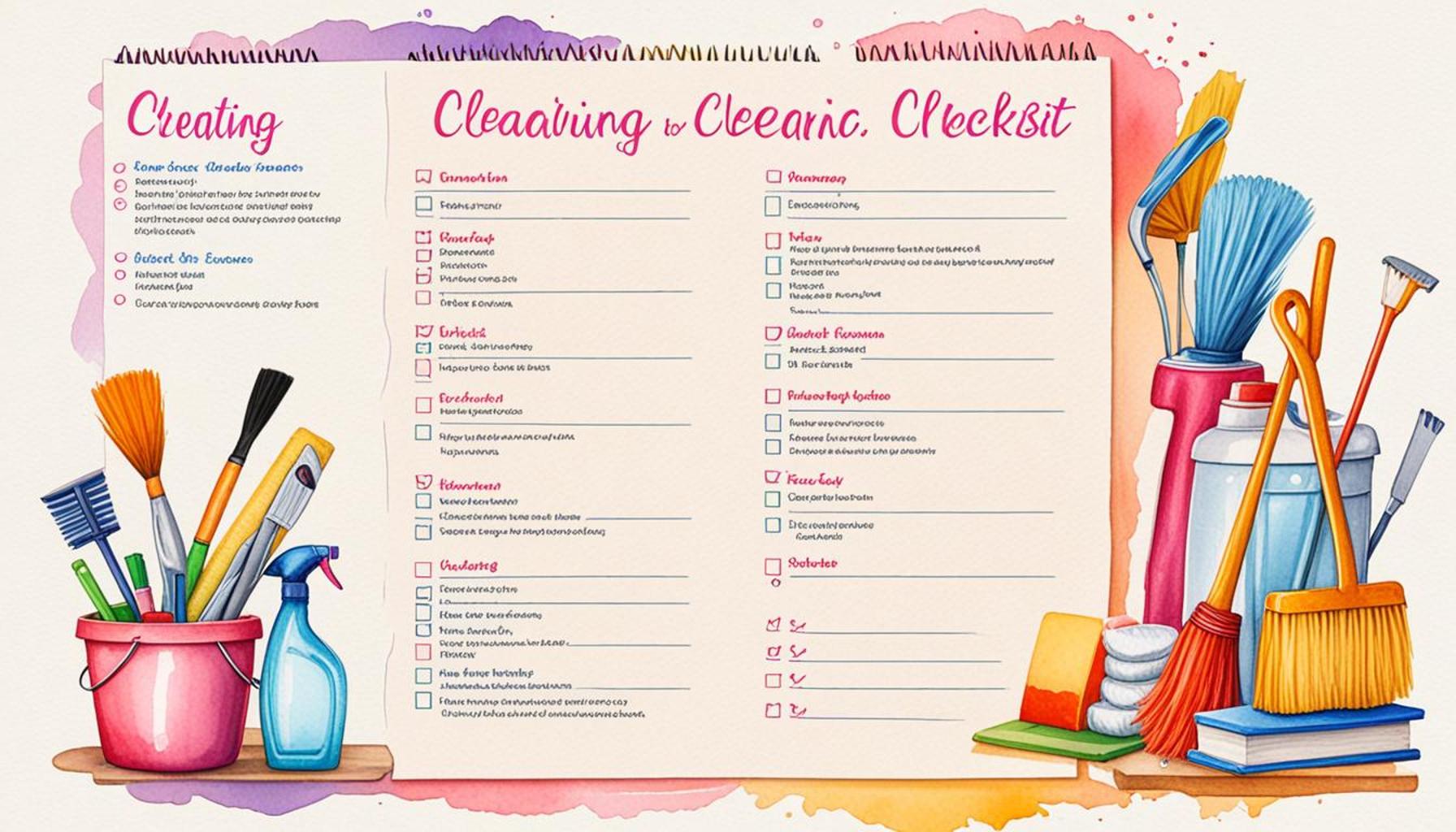
A chore chart is a visual representation of cleaning tasks that need to be accomplished. Each member can be assigned specific chores based on their availability and preferences. This chart can be a rotating schedule that changes weekly or monthly to keep things fresh and equitable. By having designated tasks, every individual knows what is expected, reducing confusion and enhancing accountability.
2. Set a Cleaning Day
Designating a specific day for cleaning can turn it into a family event. Choose a weekend or an evening when everyone is available. By synchronizing schedules, you can maximize participation and minimize disruption to daily routines. Perhaps even designate a ‘spring cleaning’ day twice a year, where deeper cleaning and organizing can take place collectively, making it a big family affair.
3. Divide and Conquer
Dividing cleaning tasks by room or function can streamline efforts. For example, while some team members focus on dusting and vacuuming, others can concentrate on bathrooms and kitchens. This strategy ensures that tasks are tackled simultaneously, enhancing efficiency. Here’s how you might divide typical household cleaning tasks:
- Kitchen: Dishes, countertops, and appliances
- Living Room: Dusting, vacuuming, and general tidying
- Bathrooms: Toilets, sinks, and mirrors
- Bedrooms: Beds, dusting surfaces, and organizing closets
4. Incorporate Gamification
One way to make cleaning enjoyable is to turn it into a game. Incorporate elements of friendly competition; for instance, who can finish their tasks the quickest or work with the most efficiency? You could set a timer and challenge team members to achieve as much as possible before the timer runs out. Adding prizes or rewards, like a pizza night or a movie marathon for the team that performs best, can further enhance motivation.
5. Use Music or Podcasts
Bringing in an energetic playlist or an engaging podcast can create a fun atmosphere that lifts spirits even when the tasks at hand might seem tedious. High-energy music encourages movement, while interesting podcasts facilitate conversation and teamwork during the process. This creates a dynamic environment and makes the chores feel less burdensome.
These collaborative cleaning strategies are simple yet effective in fostering teamwork within the household. Not only do they enhance cleanliness, but they also create opportunities for bonding, communication, and shared accomplishments. By utilizing each person’s strengths and preferences in a structured manner, cleaning can become an engaging endeavor rather than an arduous chore.
| Advantages of Collaborative Cleaning | Key Features |
|---|---|
| Enhanced Efficiency | By assigning specific tasks to each team member, cleaning becomes faster and more organized. |
| Strengthened Relationships | Group cleaning tasks foster collaboration and bonding, transforming chores into a social activity. |
In households, the importance of working together cannot be understated. Collaborating on cleaning tasks not only makes the process more efficient, allowing each member to take ownership of specific duties, but it also significantly reduces the burden on any single person. When families unite for the common goal of maintaining a clean home, they engage in valuable teamwork that often extends beyond the cleaning process. The interaction that occurs during these activities isn’t just about cleaning surfaces; it’s about creating an environment conducive to communication and shared responsibility. Moreover, strategies such as setting a timer for tasks, competing for the fastest clean, or even rewarding one another for completed chores can make the experience enjoyable. This enhances motivation and encourages more consistent participation in household maintenance. Families soon find that collaborative cleaning can lead to less stress and a more harmonious living space, making it an essential strategy for modern households. Through consistent teamwork in cleaning, families often discover that they not only accomplish their chores but also strengthen their connections, proving that the power of teams goes beyond mere tasks. By integrating these collaborative strategies, families can create a clean and nurturing environment, driving engagement and teamwork.
DIVE DEEPER: Click here to learn more about color-coded cleaning systems
Make Cleaning More Than Just a Chore
Transforming cleaning into a collaborative effort can foster a sense of community and shared ownership within the household. It’s important to look beyond mere task completion; cleaning can also serve as a mechanism for strengthening family bonds and instilling values in younger generations. Here are several innovative ways to elevate your household cleaning strategies:
6. Rotate Leadership Roles
Each household member brings unique strengths and skills to the cleaning table. By rotating leadership roles during cleaning sessions, you encourage everyone to take ownership of the process. One week, an older sibling might be responsible for organizing and delegating tasks, while a parent may lead the next session. This rotation not only empowers individuals but also provides learning experiences regarding responsibility and project management. Research suggests that children learn best in environments where they can practice leadership and collaboration, creating skills that extend beyond household chores.
7. Set Goals and Celebrate Achievements
Establishing shared cleaning goals can serve as a powerful motivator. Perhaps the objective is to maintain a consistently tidy home over multiple weeks, or to declutter communal areas by a certain date. Regularly check in on this progress, and when milestones are achieved, celebrate them! Whether it’s a family dinner, a movie night, or a small treat, acknowledging accomplishments underscores the importance of teamwork and reinforces positive behaviors. According to organizational behavior studies, recognizing achievements boosts morale and keeps everyone engaged in future collaborative tasks.
8. Engage in Sustainable Practices
As awareness about sustainability grows across the globe, households can further enhance their cleaning strategies by incorporating eco-friendly practices. Team up to implement recycling stations and compost bins, assigning designated space for sorting waste. Families can also explore natural cleaning products, opting for homemade solutions using vinegar or baking soda. Not only does this foster teamwork, but it also teaches environmentally responsible habits. Additionally, a 2021 study highlighted that sustainable cleaning practices not only reduce physical clutter but can also lead to improved mental well-being by creating a more mindful living space.
9. Share Cleaning Tips and Techniques
Each person may possess unique cleaning hacks or techniques that can improve the overall efficiency of household tasks. By sharing these insights during team cleaning sessions, families can enhance their collective cleaning skills. Encourage discussions or demonstrations on effective ways to remove stubborn stains, optimize vacuuming methods, or maintain organization in high-traffic areas. Gathering and sharing knowledge not only promotes collaboration but also enhances the cleaning experience, turning it into an informal learning session.
10. Foster a Positive Attitude Towards Cleaning
One of the key components of successful collaboration is cultivating a positive mental approach to cleaning. Encouraging an upbeat environment, characterized by laughter and lighthearted conversations, can change how tasks are perceived. Consider using humor or storytelling as you clean, which can alleviate stress and make the chores feel less daunting. A positive mindset can make cleaning a time for connection, reinforcing the bond between family members while accomplishing essential tasks together. Research consistently shows that a happy environment enhances productivity and satisfaction levels—ideal for creating a harmonious living space.
These additional strategies illustrate how investing in teamwork can elevate cleaning from a mundane task to an enriching activity. By exploring various approaches, households can discover new ways to work together, strengthening relationships while maintaining a pristine living environment.
DISCOVER MORE: Click here to enhance your cleaning routine
Harnessing the Strength of Togetherness
In conclusion, embracing collaborative cleaning strategies within households presents an opportunity to significantly transform both chores and family dynamics. By encouraging teamwork, rotating leadership roles, and setting shared goals, families can cultivate an environment that values collaboration and responsibility. The integration of sustainable practices further not only fosters teamwork but also aligns with growing global consciousness about our environment, teaching essential lessons about sustainability to younger generations.
Moreover, the practice of sharing tips and cultivating a positive attitude towards cleaning turns what was once considered a mundane task into a rich learning experience that strengthens familial bonds. This sense of togetherness can motivate members to tackle cleaning duties with enthusiasm, enhancing the overall living experience. As research highlights, positive environments contribute to higher productivity and satisfaction levels. The transformation of cleaning from a routine obligation into a rewarding group activity can create lasting memories and a well-maintained home.
Ultimately, the power of teams in the realm of household cleaning is not just about achieving a spotless space; it’s about building connections, instilling values, and fostering a sense of belonging. Through these collaborative efforts, households can thrive as cohesive units, where each member feels valued and empowered. It’s high time we view cleaning as a family affair—an investment in both our environment and our relationships.

Linda Carter
Linda Carter is a home organization writer and cleaning efficiency specialist who helps households maintain spotless spaces with minimal effort. With extensive experience developing smart cleaning systems and preventive maintenance routines, she shares practical strategies on our platform for streamlining chores and preserving home value. Her goal is to empower homeowners with time-saving techniques and proactive care strategies to create cleaner, healthier, and more manageable living environments.