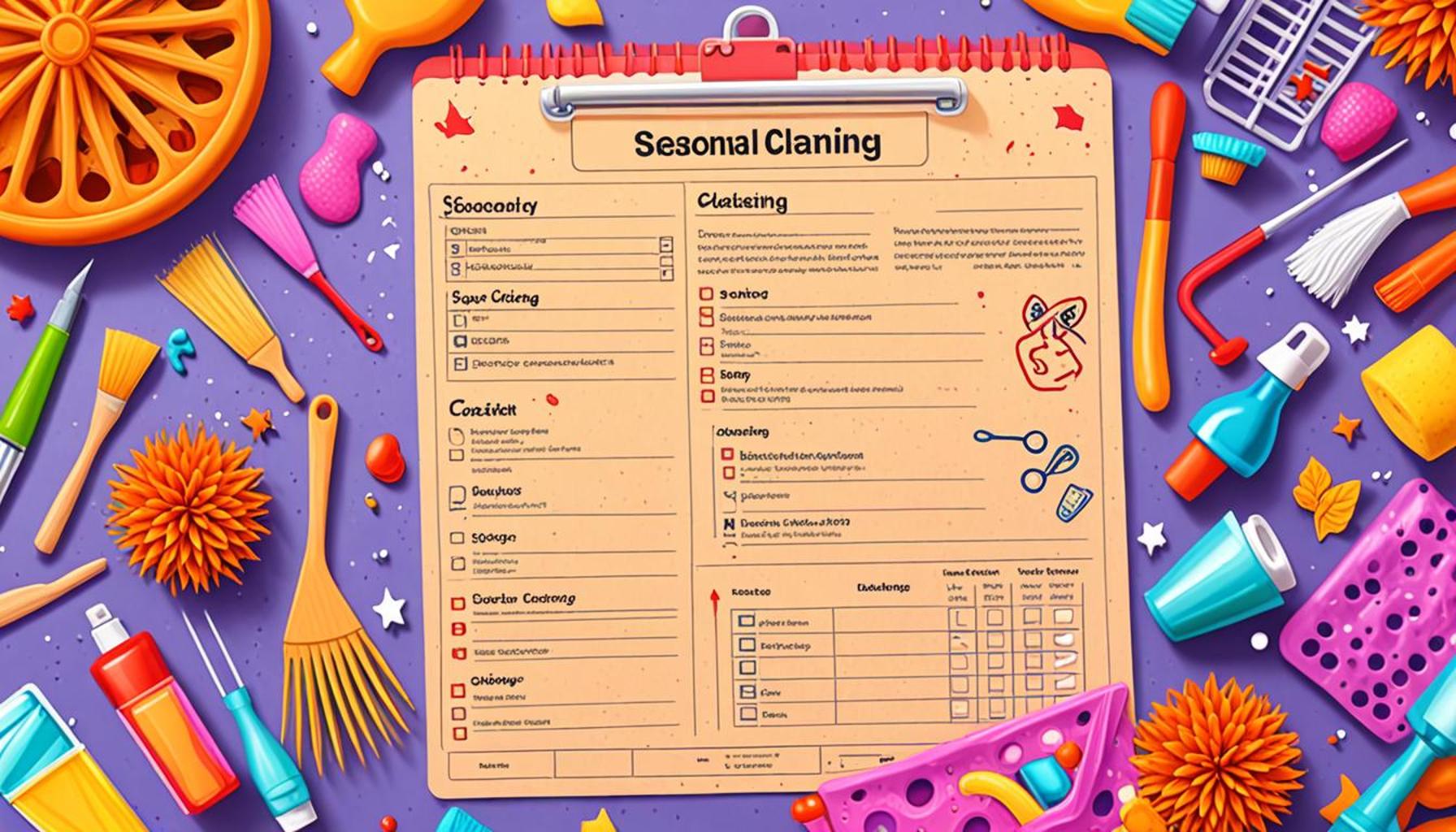
How to implement a cleaning and maintenance schedule for small homes and apartments

Creating an Effective Cleaning and Maintenance Schedule
Maintaining a clean and organized living space is essential, especially in small homes and apartments where every corner counts. An effective cleaning and maintenance schedule not only enhances the aesthetic appeal but also promotes a healthier environment for you and your family. In crowded metropolitan areas, where space is often limited, the need for an organized approach to cleanliness becomes even more pronounced.
Consider this: a well-structured plan can save time and reduce stress. Here are a few benefits of implementing a cleaning schedule:
- Consistency: Regular cleaning minimizes clutter and dirt buildup. For instance, assigning specific days for vacuuming, dusting, and mopping not only keeps surfaces pristine but makes the tasks feel less daunting. Imagine a home where every week, the floors are as clean as the day you moved in.
- Efficiency: A scheduled approach ensures no tasks are overlooked. Think about a system where you tackle one room each day or break down larger tasks into smaller, manageable portions. This not only streamlines the workload but also provides a sense of accomplishment as each task is completed.
- Health Benefits: Reduces allergens and improves air quality. Regular cleaning can diminish dust mites, pet dander, and pollen, which are common irritants in many homes. By cleaning routinely, you are also likely to experience fewer allergies and respiratory issues.
So, how do you get started? Crafting a personalized cleaning and maintenance schedule involves several key steps:
- Assess Your Space: Understand your home’s layout and specific needs. For example, an open floor plan might require a different strategy than a home with separated rooms. Take note of areas that typically attract dirt or clutter, such as entryways or common family areas.
- Prioritize Areas: Focus on high-traffic zones like kitchens and bathrooms. These areas not only see the most foot traffic but also harbor germs and dirt that could affect the well-being of your household. Allocating extra time for deep cleaning these spaces is a wise choice.
- Set Realistic Goals: Break your tasks into manageable daily, weekly, and monthly activities. For example, daily tasks can include making the bed and wiping counters, while deep-cleaning tasks might be scheduled monthly, such as scrubbing grout or washing windows.
Moreover, consider using digital tools or apps that can remind you of your tasks. In the bustling lives many lead in the United States, programs like Todoist or Google Calendar tailored for cleaning schedules can be particularly effective. Utilizing a calendar can help visualize your commitments and ensure you stick to your plan.
Dive deeper into how you can tailor these schedules to your specific lifestyle, ensuring that your home remains a sanctuary amidst daily chaos. By reflecting on your routines, preferences, and time constraints, you’d be surprised at how simple adjustments can lead to a more peaceful living environment. A clean and well-maintained home isn’t just a luxurious treat for the eyes but a necessary foundation for a happier and healthier life.
DISCOVER MORE: Click here for valuable tips
Structuring Your Cleaning and Maintenance Routine
Creating a tailored cleaning and maintenance schedule starts with understanding your unique living environment. Small homes and apartments pose specific challenges, from limited storage for cleaning supplies to tight spaces that require strategic organization. Thus, a thoughtful approach to scheduling can transform these challenges into manageable tasks and keep your living space harmonious.
First and foremost, assess your cleaning needs. Identify both the frequency of use and the level of dirt in each area. This leads to a more informed decision-making process regarding your cleaning priorities. For instance, you may notice that your kitchen and bathroom require more frequent attention compared to guest rooms or home offices. Documenting the specific cleaning requirements of each space will provide a solid foundation for your schedule.
Next, it’s essential to prioritize tasks by frequency. Consider categorizing your cleaning routine into three main tiers: daily, weekly, and monthly tasks. Here’s a closer look:
- Daily Tasks: These may include making the bed, doing the dishes, and wiping down surfaces in the kitchen and bathroom. By keeping up with these small tasks, you can prevent dirt and clutter from accumulating.
- Weekly Tasks: Focus on deeper cleaning, such as vacuuming, mopping, and dusting. You can assign specific days for these chores – for example, vacuum on Wednesdays and dust on Saturdays, allowing for a systematic approach that reduces the feeling of overwhelm.
- Monthly Tasks: Tackle those more labor-intensive chores, like washing windows, deep-cleaning appliances, or tending to neglected areas such as behind the furniture. Breaking them down into smaller projects ensures they don’t feel too burdensome.
Incorporating insights from cleaning experts can be beneficial. For example, while many people underestimate how often certain tasks need to be performed, resources such as the American Cleaning Institute suggest a periodic deep-cleaning checklist that can be woven into your routine. By following their guidelines, you can create a thorough strategy that leaves no corner untouched, ensuring a healthier living space.
Another aspect to consider is the utilization of checklists and reminders. The advent of technology has made it easier than ever to stay organized. There are various apps and online tools available that can help you track your cleaning and maintenance tasks. Tools like Google Keep or Trello allow you to set recurring reminders, ensuring you stay on top of your commitments.
Finally, it’s crucial to remain flexible. Life can be unpredictable, and some days will be busier than others. By thinking ahead and allowing some leeway in your schedule, you can adapt without feeling guilty or overwhelmed. As you implement this cleaning and maintenance schedule tailored to your small home or apartment, remember that consistency is key to achieving lasting results.
How to Implement a Cleaning and Maintenance Schedule for Small Homes and Apartments
Creating an effective cleaning and maintenance schedule for small homes and apartments can streamline your weekly routine, making these essential tasks less overwhelming. By incorporating a systematic approach, you can ensure that your living space remains not only clean but also organized and well-maintained.
Evaluate Your Space
Begin by evaluating your living area. Take note of the different zones such as the kitchen, bathroom, living room, and bedroom. Each zone may require a different cleaning technique or schedule based on usage and size. For instance, in the kitchen, daily tasks like wiping surfaces and clearing clutter should be prioritized, while less frequently used areas can be attended to on a weekly basis.
Establish Routine Tasks
Routines can be your best friend in maintaining a clean home. Consider creating a daily, weekly, and monthly checklist that outlines what needs to be done. Daily tasks might include making the bed, washing dishes, and or vacuuming high-traffic areas. Weekly chores can consist of dusting, laundry, and bathroom cleaning, while monthly routines should address tasks such as deep-cleaning appliances or washing windows.
| Category 1 | Category 2 |
|---|---|
| Daily Maintenance | Keeping surfaces clear and tidy to avoid buildup. |
| Time Management | Allocating specific times for tasks maximizes efficiency. |
Incorporate the Right Tools
Investing in the right cleaning tools can make your cleaning routine faster and more effective. Microfiber cloths, multi-surface cleaners, and brooms with attachments can simplify the process. Keep everything organized by designating a specific storage area for your cleaning supplies, making them easily accessible whenever you need to tackle a task.
Stay Flexible and Adjust
It’s essential to stay flexible with your cleaning schedule. Life can be unpredictable, and sometimes certain tasks might need to be rescheduled. Adjust your checklist as required, and don’t be hard on yourself if you miss a day. The key is to remain committed and mindful of your cleaning goals.
By implementing this structured approach, you’ll not only simplify your tasks but also enjoy a cleaner, healthier living environment conducive to relaxed living. Be sure to regularly reassess your schedule to align with any changes in your lifestyle or home dynamics.
DIVE DEEPER: Click here to learn how to prioritize effectively
Incorporating Sustainability into Your Cleaning Schedule
As you develop your cleaning and maintenance schedule, consider integrating sustainable practices into your routine. Small homes and apartments can greatly benefit from eco-friendly cleaning methods that not only minimize your environmental impact but also enhance indoor air quality. Increasingly, urban dwellers are turning to green cleaning products, which are often free of harsh chemicals, making them safer for families and pets.
One effective way to embrace sustainability is by using homemade cleaning solutions. Ingredients like vinegar, baking soda, and lemon juice are powerful natural cleaners that can tackle everyday messes without contributing to harmful waste. For instance, a solution of vinegar and water can effectively disinfect surfaces, while baking soda works wonders on tough stains. By preparing these mixtures in reusable bottles, you not only cut down on plastic waste but also save money in the long run.
Another important aspect to consider is the timeliness of your cleaning tasks. Aligning your maintenance schedule with the seasons can enhance efficiency and cleanliness. For example, spring is an excellent time for deep cleaning and decluttering, as many people are naturally motivated during this season. Similarly, fall is ideal for outdoor maintenance, such as cleaning gutters and preparing your garden for winter. By syncing your cleaning tasks with seasonal changes, you can ensure that your space remains functional and tidy year-round.
Additionally, prioritizing organization and decluttering can simplify your cleaning routine. In small homes, where space can be at a premium, managing clutter is crucial. Implementing a “one in, one out” policy can significantly reduce accumulation. For every new item you bring into your home, consider donating or discarding an existing one. This not only helps maintain order but also creates a more tranquil living environment.
Leveraging Community Resources
Community-based cleaning resources can be particularly useful for apartment dwellers looking to enhance their cleaning regimen. Local initiatives often provide opportunities for group clean-ups, which can foster a sense of community while efficiently addressing shared spaces. Participating in these events might also reveal new cleaning techniques or products, as residents swap tips and tricks to tackle common issues in their environment.
Moreover, consider exploring task-sharing platforms that connect people in your neighborhood. Platforms like TaskRabbit or local Facebook groups offer options to hire someone for specific cleaning tasks if time constraints prove challenging. This becomes an invaluable support system when performing larger tasks at home, such as seasonal deep cleans or moving-related cleaning efforts.
Lastly, don’t underestimate the power of personal accountability in your cleaning schedule. Consider partnering with a friend, family member, or neighbor to hold each other accountable for your cleaning routines. A shared commitment can transform what can often feel like a mundane task into a proactive measure that keeps your space healthy and inviting.
Overall, building a cleaning and maintenance schedule for your small home or apartment involves not only strategic planning but also a commitment to sustainability and community involvement. By embracing these elements, you can create a living space that reflects your values while maintaining optimal cleanliness and organization.
DISCOVER MORE: Click here for essential maintenance strategies
Conclusion
In summary, implementing a cleaning and maintenance schedule for small homes and apartments is not merely about keeping a tidy space; it is an essential practice that significantly enhances your quality of life. By establishing a routine that incorporates task prioritization, seasonal alignment, and community engagement, you can create an organized environment that promotes productivity and wellness.
Emphasizing sustainable cleaning practices can allow residents to reduce their ecological footprint while maintaining a clean and healthy living space. By opting for homemade solutions and eco-friendly products, individuals not only safeguard their families and pets but also contribute to a larger environmental consciousness. In a world increasingly guided by the principles of sustainability, your cleaning habits can reflect your values.
The added dimension of community can provide diverse benefits as well. Engaging in local initiatives or utilizing task-sharing platforms fosters connections with neighbors and enriches your cleaning routine through shared techniques and solutions. Moreover, holding each other accountable can transform the mundane chore of cleaning into a collaborative effort that enhances motivation and commitment.
Ultimately, by incorporating these strategies, you can craft a cleaning and maintenance schedule that is not only practical but also enriching. A well-planned routine will provide the framework for a harmonious living experience, allowing small-space dwellers to thrive in an atmosphere that mirrors their aspirations for sustainability, organization, and well-being. Explore your options, make your space your sanctuary, and enjoy the journey towards a cleaner, more manageable home.

Linda Carter
Linda Carter is a home organization writer and cleaning efficiency specialist who helps households maintain spotless spaces with minimal effort. With extensive experience developing smart cleaning systems and preventive maintenance routines, she shares practical strategies on our platform for streamlining chores and preserving home value. Her goal is to empower homeowners with time-saving techniques and proactive care strategies to create cleaner, healthier, and more manageable living environments.