Water Conservation in Home Cleaning: Techniques to Reduce Usage and Environmental Impact

The Importance of Water Conservation in Cleaning
Every drop counts, especially when it comes to water conservation in home cleaning. As concerns about water shortages and environmental impact rise, adopting efficient cleaning practices has never been more important. The average U.S. household uses approximately 400 gallons of water each day, with nearly 30% of that usage attributed to cleaning tasks, highlighting the significant role that household cleaning plays in water consumption.
Looking at the bigger picture, it’s crucial to consider that reducing water waste does not only conserve this precious resource but also lowers utility bills and minimizes your environmental footprint. In states like California, where drought conditions are frequently a concern, understanding and implementing water-saving techniques can contribute to regional sustainability efforts. Here, we explore a range of water-saving strategies that can make a substantial impact.
Effective Water-Saving Techniques
There are numerous effective techniques that can help you clean your home while also conserving water. Here are some key strategies:
- Use microfiber cloths: Microfiber cloths are highly effective for dusting and cleaning surfaces without the need for excessive water. Their unique fibers capture dirt and dust particles, ensuring a thorough clean with minimal moisture. This not only reduces the amount of water used but also lessens the need for chemical cleaners, which often require rinsing and can affect water quality.
- Opt for a spray bottle instead of a bucket: When cleaning surfaces, using a spray bottle allows for precise control over how much water you use. By delivering a fine mist, you can wet the surface without soaking, thereby greatly minimizing the total water used during the cleaning process.
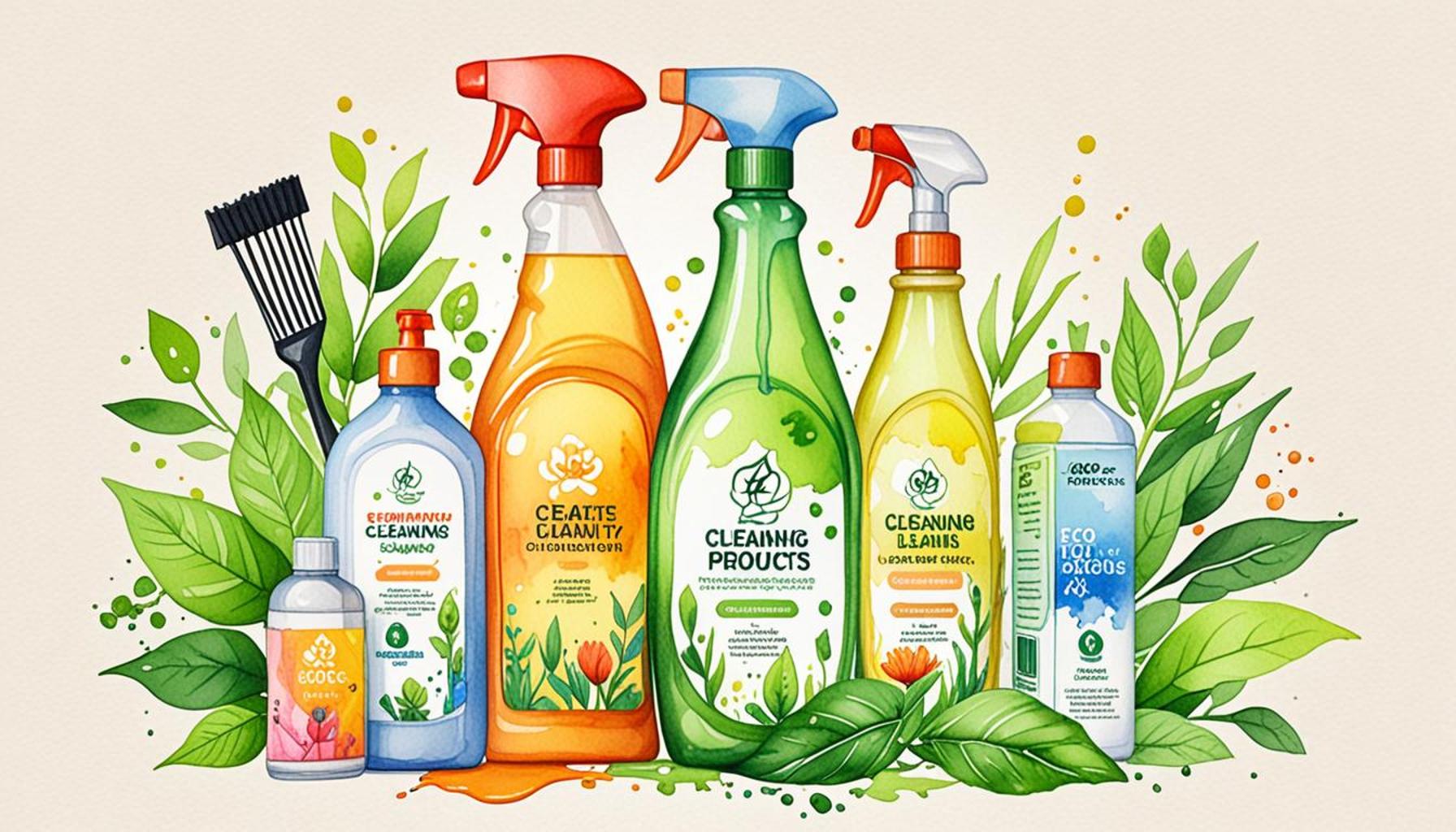
- Choose eco-friendly cleaning products: Many eco-friendly cleaners are designed to work effectively with less water. These products often focus on biodegradable ingredients and are concentrated, meaning you only need to use a small amount mixed with water for effective cleaning. This not only saves water but also reduces chemical runoff that can pollute local waterways.
Additional Strategies for Water Conservation
Implementing these simple yet impactful techniques can lead to a cleaner home and a healthier planet. Here are a few more strategies:
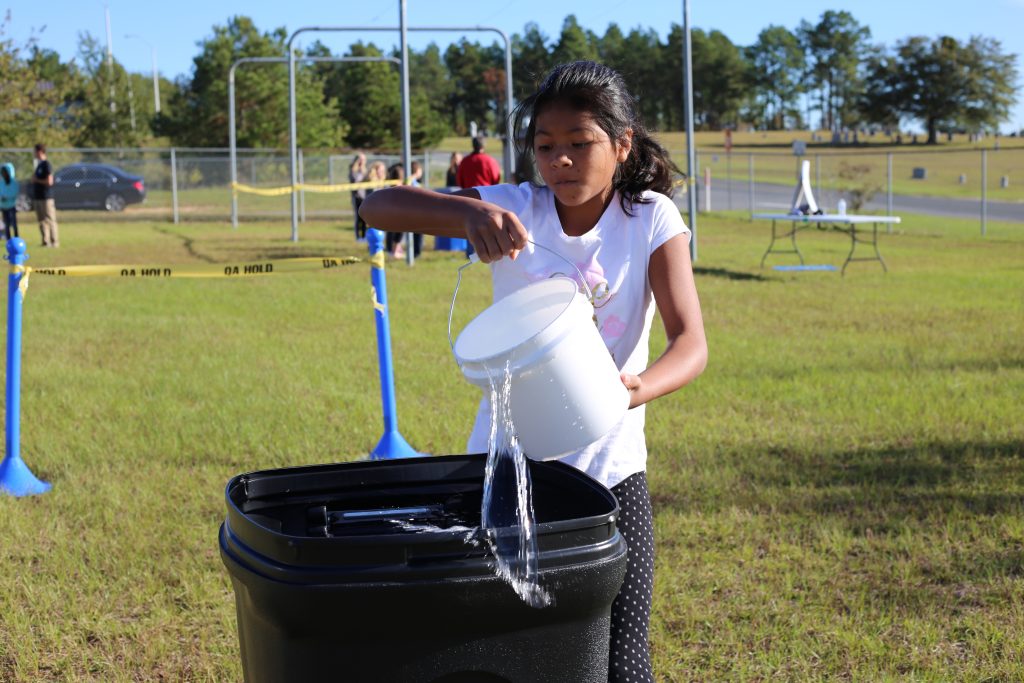
- Collect water for cleaning: While waiting for hot water to come through the tap, collect the cold water in a bucket. You can use this water for mopping floors or watering indoor plants, ensuring that nothing goes to waste.
- Limit rinsing: For dishes and cookware, try using a basin of water for rinsing instead of letting the tap run continuously. This practice conserves a significant amount of water over time.
- Wash full loads only: When using the dishwasher or washing machine, make sure to wash only full loads. This increases efficiency and minimizes water usage, aligning with conservation goals.
As you continue to explore and implement these techniques, you’ll not only contribute to your household’s efficiency but also join a broader movement towards sustainable living. By making conscious choices in your cleaning routine, you help preserve vital water resources for future generations.
DISCOVER MORE: Click here to learn about the benefits of minimalism
Effective Water-Saving Techniques
In light of the pressing need for water conservation, it’s essential to rethink our home cleaning methods. Fortunately, there are a variety of effective techniques that can help maintain cleanliness while significantly reducing water usage. Below, we outline practical strategies that strike a balance between a sparkling home and sustainable practices.
- Utilize microfiber cloths: One of the easiest changes you can make is switching to microfiber cloths for dusting and surface cleaning. These cloths feature specially designed fibers that capture dust and grime without the need for excessive water. By using just a small amount of moisture, you can achieve a thorough clean while simultaneously cutting down on the amount of water utilized. This not only conserves water but also diminishes your reliance on chemical cleaners, which often necessitate additional rinsing.
- Adopt a spray bottle method: Instead of pouring gallons of water into a bucket while cleaning your surfaces, consider using a spray bottle. This allows for targeted application of water, meaning you can mist a surface lightly without soaking it. Such control minimizes the total water usage during cleaning tasks, making a significant difference over time.
- Select eco-friendly cleaning products: When choosing cleaning goods, look for eco-friendly options that are designed to work efficiently with smaller amounts of water. Many of these products are concentrated and biodegradable, so you don’t have to use a lot to achieve effective results. This approach not only saves water but also helps prevent chemicals from entering our waterways, contributing to cleaner ecosystems.
Additional Strategies for Water Conservation
Incorporating these water-saving techniques into your cleaning routine creates a ripple effect of positive environmental impact. Here are a few more strategies to consider for further enhancing your water conservation efforts:
- Collect water for secondary uses: Often, the water that flows from your taps while waiting for it to heat up is wasted. Instead, consider placing a bucket underneath the tap to catch this cold water. You can repurpose it for mopping floors or even for watering your houseplants, ensuring that every drop is put to good use.
- Limit the rinsing process: In the realm of dishwashing, a more sustainable approach involves using a basin filled with water for rinsing rather than letting the tap run continuously. This small adjustment can lead to considerable water savings over time, especially for larger households.
- Only wash full loads: When it comes to your dishwasher or washing machine, always wait to run these appliances until they are full. This practice maximizes efficiency and minimizes the frequency of water usage, aligning your cleaning habits with sustainability goals.
By integrating these simple yet impactful techniques into your daily cleaning routines, not only will you create a cleaner and more organized living space, but you will also contribute to the collective effort of conserving vital water resources. As water scarcity becomes increasingly important in discussions surrounding sustainability, these steps can make a significant difference in preserving this precious resource for future generations.
Water Conservation Techniques in Home Cleaning
In the quest for eco-friendly cleaning methods, the importance of water conservation cannot be overstated. Implementing efficient techniques not only reduces overall water usage but also lessens the environmental impact of household chores. Here are some effective strategies to incorporate into your cleaning routine:
| Category 1 | Category 2 |
|---|---|
| Efficient Cleaning Tools | Utilizing mops, brooms, and vacuum cleaners designed for less water usage. |
| Innovative Cleaning Solutions | Using concentrated cleaning products that require less water for effective results. |
By focusing on using efficient cleaning tools, not only do you reduce the amount of water needed for tasks like mopping and vacuuming, but you also enhance the effectiveness of your cleaning routine. Moreover, employing innovative cleaning solutions means that you do not have to compromise on cleanliness while still conserving precious resources. Investigating these techniques allows homeowners to take significant steps toward sustainable living.
Consider adopting a water-wise mindset where cleaning isn’t just about the results but also about minimizing environmental impacts. Exploring alternatives like steam cleaning or dry methods can provide a more sustainable approach while still delivering a sparkling home.
Adopting Microfiber Cloths
Microfiber cloths have surged to popularity as they require less water than traditional cleaning rags while trapping dirt and grime effectively. In fact, using these cloths ensures that you can clean surfaces with minimal cleaning agents and water. This shift towards sustainable cleaning products not only conserves water but significantly reduces chemical runoff into our ecosystems.
Each small adjustment in our cleaning methods contributes to larger environmental benefits. By considering the impact of our household cleaning habits, we become empowered to enact real change and encourage others to follow suit.
DISCOVER MORE: Click here to learn about the future of cleaning tools
Innovative Practices for Sustainable Home Cleaning
As the urgency of water conservation grows, integrating innovative practices into your home cleaning routines can lead to substantial changes. Beyond traditional methods, these progressive techniques not only enhance your cleaning efficiency but also promote a more sustainable lifestyle. Here are some noteworthy practices to consider:
- Embrace the power of steam cleaning: Steam cleaning is an extraordinary method that utilizes heat to eliminate dirt and bacteria without the need for excessive water or harsh chemicals. This technique is particularly effective on hard surfaces like tiles and carpets. With a steam cleaner, you can achieve a deep clean while using only a fraction of the water required in conventional cleaning, making it a powerful ally for eco-conscious households.
- Implement a ‘one wipe’ system: Instead of soaking sponges and cloths multiple times during cleaning sessions, employ a ‘one wipe’ system. This technique involves using a well-saturated cloth to tackle tasks in a single motion, thereby keeping water usage to a minimum. Not only does this save water, but it also enhances efficiency, allowing you to complete cleaning tasks more quickly.
- Choose eco-friendly appliances: When investing in new cleaning equipment, look for appliances that are designed with water efficiency in mind. For instance, many modern washing machines and dishwashers are equipped with technology that optimizes water usage. According to the U.S. Environmental Protection Agency (EPA), Energy Star-rated appliances can save an average of 20% more water compared to traditional models, which translates to significant savings over time.
Understanding Water Impact in Different Cleaning Areas
Diving deeper into specific cleaning areas reveals additional water conservation opportunities. A few focus areas that significantly contribute to water usage include:
- Bathroom Cleaning: The bathroom is a high-use area where water can be conserved through contemplative practices. For instance, try using less water when flushing toilets and consider installing dual-flush toilets that allow you to choose between a full or partial flush. Additionally, when cleaning sinks and showers, using a small bucket to collect rinse water can prevent waste.
- Eco-conscious laundry habits: Beyond only running full loads, consider air-drying your clothes instead of using the dryer, which not only conserves water but also reduces electricity usage. If you must wash smaller loads, select the appropriate settings on your washing machine. Opt for cold wash settings whenever possible, as hot water requires additional energy and can place additional strain on household water systems.
- Efficient car washing: Washing your car frequently can use gallons of water. Instead of traditional washing, consider taking your vehicle to a commercial car wash that recycles water. If you prefer DIY, use a bucket and sponge option—using less water compared to a traditional hose, and perform the wash on your lawn to help the grass absorb the water.
By implementing these innovative cleaning practices and understanding the impact of water in various home areas, you can significantly reduce your water footprint while maintaining a clean and healthy living environment. As more households adopt these sustainable techniques, the collective savings on water resources will contribute to a brighter, more environmentally-friendly future.
DON’T MISS: Click here for essential tips on incorporating rest in your cleaning routine
Final Thoughts on Water Conservation in Home Cleaning
In the face of escalating environmental challenges, embracing water conservation in home cleaning has become not just a choice, but a necessity. By adopting innovative techniques such as steam cleaning, implementing the ‘one wipe’ system, and investing in eco-friendly appliances, households can significantly decrease their water usage without sacrificing cleanliness. Furthermore, understanding the specific impacts of water consumption in areas like bathrooms, laundry, and car washing can empower homeowners to make informed decisions that contribute to a more sustainable lifestyle.
The call for action is clear: as stewards of our environment, the responsibility lies with each of us to implement these practices into our daily routines. Picture the collective impact if even a fraction of the American population began to adopt water-saving measures. According to the EPA, if every household in the U.S. replaced their older appliances with more efficient ones, the nation could save approximately 3 trillion gallons of water annually. This suggests a remarkable opportunity not only to preserve precious resources but also to foster a culture of sustainability.
As we move forward, let us challenge ourselves to think creatively about the ways we can reduce our water footprint in even the smallest of tasks. Familiarize yourself with the latest eco-friendly products, attend workshops on sustainable cleaning, or even share tips with friends and family. Through collective action and informed choices, we can ensure a more sustainable future, proving that even in home cleaning, every drop counts.

Linda Carter
Linda Carter is a home organization writer and cleaning efficiency specialist who helps households maintain spotless spaces with minimal effort. With extensive experience developing smart cleaning systems and preventive maintenance routines, she shares practical strategies on our platform for streamlining chores and preserving home value. Her goal is to empower homeowners with time-saving techniques and proactive care strategies to create cleaner, healthier, and more manageable living environments.