
Creating a Weekly Cleaning Schedule: Balancing Efficiency and Time Management

Understanding the Importance of a Cleaning Schedule
A well-structured weekly cleaning schedule serves as a crucial tool in transforming domestic chaos into a streamlined oasis of order. In today’s fast-paced world, where individuals are often juggling work commitments, family responsibilities, and personal interests, the need for efficiency and effective time management becomes paramount. By planning out cleaning tasks ahead of time, you can dramatically save both energy and valuable time, while ensuring that your living space remains inviting and functional.
There are several compelling reasons to implement a cleaning schedule that goes beyond mere organization:
- Reduces procrastination – A clear outline of tasks gives you a tangible roadmap, helping to keep motivation high and procrastination at bay. For instance, when you know that Monday is designated for vacuuming and dusting, you’re less likely to push those tasks off until the weekend.
- Enhances productivity – Allocating specific time slots for cleaning allows you to focus entirely on the task at hand, without distractions from emails, phone calls, or other household obligations. This focused approach can make the cleaning process feel more achievable and less daunting.
- Promotes a healthier home – Regular cleaning not only keeps your environment tidy, but it also ensures greater hygiene. By maintaining a consistent cleaning regime, you can proactively prevent the buildup of allergens, dust, and other irritants that can impact your family’s health.
Additionally, a cleaning schedule invites an opportunity for prioritization. Categorizing tasks can make your strategy more digestible and manageable:
- Daily chores – Everyday tasks such as dishwashing, taking out the trash, and quick surface wipes can be done in short bursts, making the workload lighter.
- Weekly deep cleaning – Dedicating certain days to deep cleaning sections of the home, like scrubbing the bathrooms or tackling the bedrooms, creates a sense of accomplishment each week.
- Monthly organization – Reserve time for tackling larger projects that require more thought and effort, such as decluttering the garage, organizing closets, or cleaning out the basement.
Creating a comprehensive cleaning strategy is an investment in your living space and your overall quality of life. Not only does it heighten your sense of control over your home, but it fosters a refreshing atmosphere that can improve mood and productivity. Explore the art of balancing efficiency and time management by crafting a personalized cleaning schedule that aligns with your lifestyle—an approach that empowers you to maintain your sanctuary amid life’s hustle and bustle.
DISCOVER MORE: Click here for a quick cleaning routine
Crafting Your Ideal Cleaning Schedule
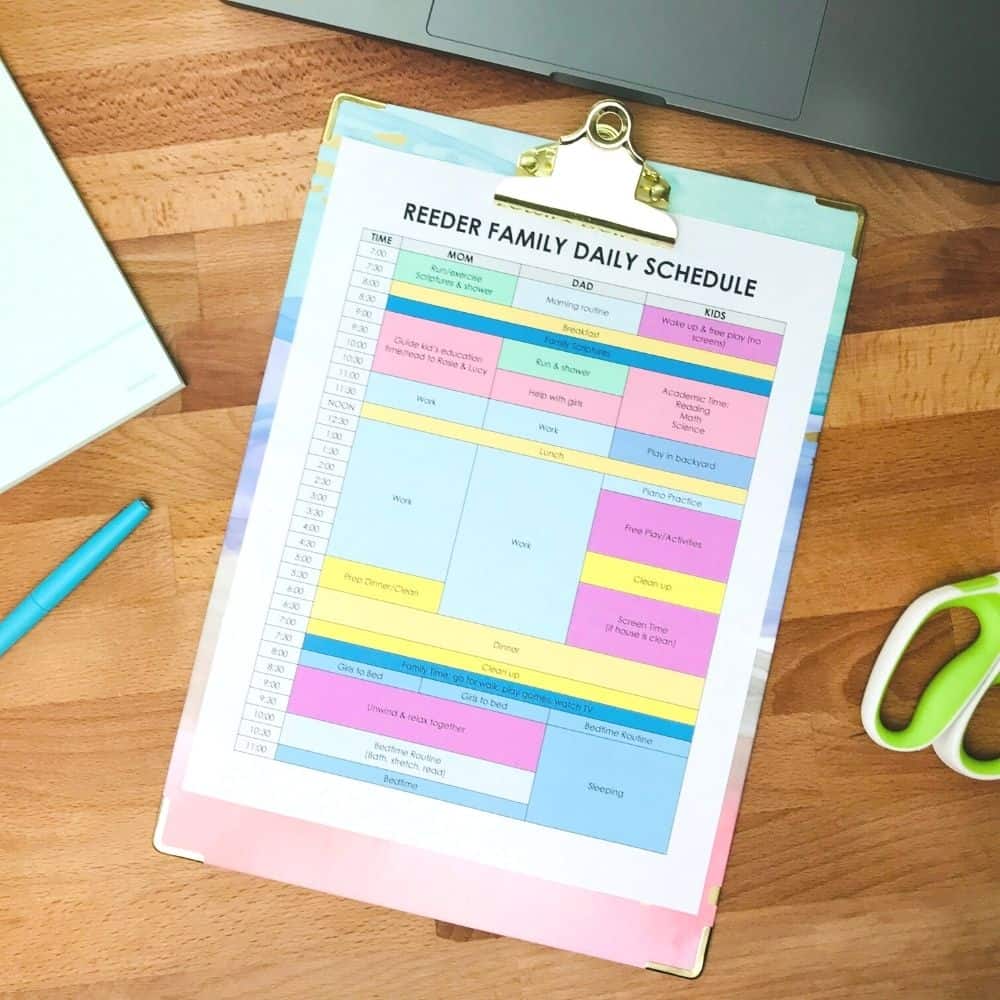
Developing a tailored weekly cleaning schedule can significantly enhance the way you manage your cleaning tasks, aligning them with your lifestyle while maximizing efficiency. To create a structure that works best for you, begin by assessing your current cleaning habits and identifying any shortcomings. Are there specific areas in your home that often get overlooked? Do you find certain tasks overwhelming or time-consuming? Pinpointing these aspects allows you to shape a schedule that addresses your unique needs.
One effective approach to design your cleaning schedule is to consider the time allocation for each task. Breaking down your cleaning responsibilities into digestible segments can make them feel less daunting. Here are key questions to ask yourself when setting up your schedule:
- What tasks can I realistically accomplish each day? Consider your other commitments and select cleaning tasks that fit within the available time.
- Which cleaning tasks should I prioritize? Focus on areas that require more attention or get dirty quickly, ensuring these are scheduled more frequently.
- How can I make cleaning enjoyable? Integrating fun activities, such as listening to music or involving family members, can transform cleaning from a chore to a more enjoyable experience.
Additionally, leveraging the concept of time blocks can enhance your cleaning efficiency. Time blocking involves dedicating specific blocks of time for certain tasks, helping to create a rhythm and consistency in your cleaning routine. For instance, you might reserve 30 minutes in the morning for light cleaning tasks and allocate a larger segment of time on the weekends for deeper cleaning. This segmentation not only makes tasks more manageable but also provides a sense of accomplishment as you check items off your list.
Moreover, consider utilizing digital tools or apps designed specifically for cleaning schedules. Many apps offer customizable reminders and templates to help keep you on track, and they can be adjusted as needed based on your progress. Having an organized visual of your weekly tasks right at your fingertips can be a game changer, empowering you to maintain focus and motivation throughout the week.
Ultimately, a successful weekly cleaning schedule requires ongoing evaluation and adjustment. As you try out your new system, pay attention to what works and what doesn’t. Flexibility should be built into your planning; as life changes, so too may your cleaning strategy. Regularly revisiting your schedule allows for the incorporation of new tasks or the refinement of existing ones, ensuring a smoother cleaning experience.
In summary, crafting your cleaning schedule is not just about maintaining a tidy home; it’s also about enriching your daily life through better time management and enhanced efficiency. By establishing a customized approach that considers your unique needs and preferences, you can create a harmonious balance between cleanliness and everyday life.
| Category | Key Features |
|---|---|
| Time Management | Prioritizes tasks for maximal output. |
| Efficiency | Reduces time spent on household chores. |
| Accountability | Tracks progress in achieving cleaning goals. |
One of the key benefits of creating a weekly cleaning schedule is the enhancement of time management. By allocating specific days for particular tasks, such as vacuuming on Mondays or laundry on Wednesdays, you can prioritize cleaning efforts and create a rhythm that fits seamlessly into your life. This conscientious approach enables you to free up more time to enjoy other activities without the gnawing burden of unfinished chores.Moreover, an efficient cleaning schedule significantly reduces the time spent on housework. Rather than tackling multiple tasks sporadically, a well-structured plan ensures you focus on one zone or task at a time, thus improving both speed and quality of cleaning. This method prevents the overwhelming influx of chores and encourages a consistently clean home environment, which is vital for mental clarity and productivity.Additionally, having a predetermined schedule instills a sense of accountability to your cleaning commitments. It allows you to easily track your progress, ensuring no corner is overlooked while maintaining a thorough record of accomplishments. By developing a system that holds you responsible, the once-daunting tasks become not just manageable but immensely rewarding. The psychological satisfaction of checking off completed tasks serves as a motivational factor in adhering to your cleaning schedule.
DISCOVER MORE: Click here to learn about managing your routine with digital tools
Incorporating Flexibility and Realism into Your Schedule
While creating an effective weekly cleaning schedule is essential, ensuring that it remains realistic and adaptable is equally important. Life is dynamic, and unexpected events can easily derail even the best-laid plans. Thus, embracing flexibility can prevent feelings of frustration and disappointment when certain tasks fall by the wayside. For instance, if a family member falls ill or work commitments increase, being able to rearrange your cleaning priorities will allow you to maintain a tidy home without adding undue stress.
Understanding your personal energy levels throughout the week can also enhance both your efficiency and your overall cleaning experience. Many people find that their productivity peaks at different times. If you tend to have more energy in the morning, it may be beneficial to schedule more labor-intensive tasks, such as vacuuming or cleaning bathrooms, during these hours. Conversely, if you feel more drained after a long day, opting for lighter tasks, such as dusting or organizing, during the evenings can provide a sense of accomplishment without overwhelming your schedule.
Utilizing the Power of Delegation
Cleaning doesn’t have to be a solo endeavor. Delegating tasks among household members can not only speed up the process but also foster teamwork and responsibility. If you have children, consider assigning them age-appropriate chores, such as tidying up toys or wiping down surfaces. Not only does this lighten your load, but it also teaches them valuable life skills and promotes a sense of ownership in maintaining a clean environment. In fact, a study published by the American Psychological Association found that children who engage in household chores exhibit greater levels of maturity and responsibility.
As you map out your cleaning schedule, designate specific tasks for family members. For example:
- Monday: Family members tackle laundry duties.
- Wednesday: One person can take charge of kitchen cleaning, while another dusts the living room.
- Saturday: Collaborate on deep-cleaning tasks like bathrooms or yard maintenance.
Incorporating a rewards system can also motivate family participation. Whether it’s a special treat for completing tasks or extra screen time for kids, this incentive can make the weekly cleaning experience more enjoyable and less of a burden.
Establishing Cleaning Rituals
Transforming mundane cleaning tasks into rituals can effectively reduce the mental toll associated with them. Designing a specific cleaning routine for different days can create a rhythm that aligns with your life, promoting consistency. For example, Monday could be designated as “Dusting Day,” every Tuesday could involve kitchen maintenance, and Wednesdays can be focused on bathrooms. Aligning specific cleaning tasks with certain days of the week helps create a predictable cycle, allowing you to mentally prepare for what’s ahead.
Additionally, infusing your cleaning with personal touches, such as aromatic candles or your favorite playlist, can redefine the chore itself, fostering a more positive association with it. Engaging in these practices can transform your cleaning sessions from tasks to rewarding moments of self-care.
Ultimately, creating an effective weekly cleaning schedule is not merely about keeping a tidy space; it’s about designing a system that promotes well-being and harmony in your household. Balancing tasks with your lifestyle and encouraging a collective effort within your home ensures that cleanliness becomes a shared value rather than a solitary obligation.
DISCOVER MORE: Click here to enhance your home cleaning routine
Conclusion
In navigating the complexities of modern life, creating a weekly cleaning schedule serves as a functional tool that transcends mere tidiness—it fosters a harmonious living environment. By incorporating flexibility into your cleaning routine, you can adapt to shifting priorities and unforeseen circumstances, alleviating the pressure that often accompanies household chores. Recognizing your energy fluctuations throughout the week allows you to allocate demanding tasks to peak productivity times, enhancing your efficiency and making the process of cleaning less daunting.
Moreover, the power of delegation cannot be overstated. By sharing responsibilities with household members, not only do you lighten your load, but you also instill a sense of teamwork and accountability—important values that extend beyond cleaning. Establishing specific roles and introducing incentives can make participation enjoyable, especially for children, who can learn vital life skills along the way.
As you refine your cleaning regimen, consider transforming mundane tasks into meaningful rituals that promote a sense of accomplishment. Engaging your senses with pleasant scents and music can shift your perception of cleaning from a chore to an enriching experience. Ultimately, a well-thought-out cleaning schedule does more than maintain a clean home; it cultivates a shared commitment to a tidy space and contributes to the overall well-being of your household.
By blending efficiency, time management, and personal touches, your weekly cleaning schedule can evolve into a source of pride and unity, paving the way for a healthier, more organized living space that reflects your lifestyle and aspirations.

Linda Carter
Linda Carter is a home organization writer and cleaning efficiency specialist who helps households maintain spotless spaces with minimal effort. With extensive experience developing smart cleaning systems and preventive maintenance routines, she shares practical strategies on our platform for streamlining chores and preserving home value. Her goal is to empower homeowners with time-saving techniques and proactive care strategies to create cleaner, healthier, and more manageable living environments.