How to use task lists to maximize efficiency in house cleaning
Understanding the Power of Task Lists in Cleaning
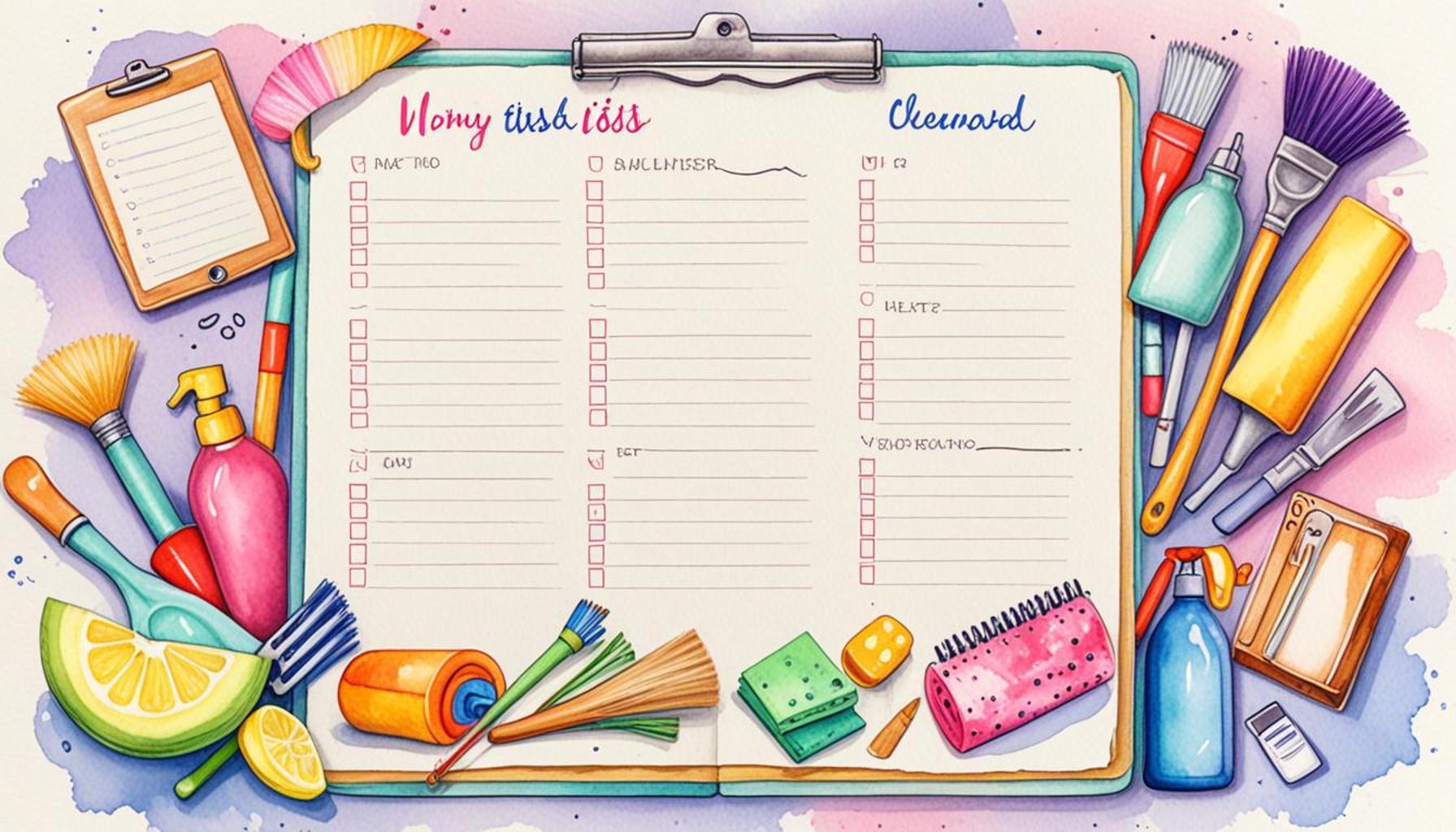
Many homeowners find house cleaning to be a daunting and often overwhelming chore. However, a well-organized cleaning routine can transform these seemingly insurmountable tasks into a series of manageable actions. At the heart of this transformation are task lists, which are indispensable tools that enhance productivity and streamline the cleaning process. By utilizing a structured task list, you can ensure that every area of your home receives the attention it deserves, without the anxiety of forgetting critical tasks.
There are numerous advantages to employing task lists in your cleaning regimen:
- Organization: By breaking down cleaning tasks room by room, you create a clear action plan. For instance, you might categorize tasks as ‘Living Room’, ‘Kitchen’, ‘Bathroom’, and ‘Bedroom’. This systematic approach allows you to focus on one space at a time, ensuring thoroughness.
- Time Management: Allocating specific time slots to each task can help you maintain a steady pace without feeling rushed. For example, dedicating 30 minutes to the kitchen can create a sense of urgency yet grant enough time to complete essential chores like wiping counters, scrubbing sinks, and washing dishes.
- Focus: Concentrating on one task at a time minimizes distractions, encouraging a more meticulous and efficient approach to cleaning. By following your task list, you can resist the temptation to multitask, which often leads to incomplete work and added stress.
Implementing a task list not only amplifies your efficiency but also serves as a tracker for your progress throughout your cleaning journey. Popular productivity methods like the Pomodoro technique, which involves 25-minute focused work sessions followed by short breaks, can be seamlessly integrated into your cleaning routine. This technique encourages intense focus during cleaning bursts, making the entire process significantly more productive.
In the following sections, we will delve into effective strategies for creating actionable cleaning task lists that resonate with your individual lifestyle and home dynamics. You’ll discover how to tailor these lists, making the cleaning process not only less daunting but also more satisfying and rewarding.
Moreover, it’s worth exploring digital tools and applications designed for task management, such as Todoist or Trello. These apps allow you to create checklists on-the-go, provide reminders, and even collaborate with family members to ensure everyone’s responsibilities are clearly defined. This shared approach can make cleaning a more communal activity rather than a solitary chore.
By embracing the power of task lists, you open the door to a more organized, efficient, and less stressful cleaning experience. So why wait? Start crafting your personalized cleaning task list today and reclaim control over your home and your time.
DISCOVER MORE: Click here to learn about batch cleaning techniques
Crafting Your Cleaning Task List
Creating a successful cleaning task list is an art form that can lead to significant improvements in your overall efficiency and effectiveness. When you sit down to compile your list, consider incorporating the following steps to ensure it is well-rounded and adaptable to your routine.
Identify High-Priority Areas
Start by determining which areas of your home require the most immediate attention. This may be influenced by your lifestyle; for example, if you have pets or young children, your living room and kitchen may need more frequent cleaning. Make a master list of rooms to tackle, ranking them by priority:
- Kitchen: Due to daily use, counters, floors, and appliances can quickly accumulate dirt and grime.
- Bathroom: The need for cleanliness in this space is vital for hygiene reasons, making it a high-priority area.
- Living Room: Often the center of family activities, this room can get cluttered and dusty.
- Bedrooms: A relaxed environment is essential for quality sleep, so these rooms should also receive regular attention.
Break It Down Into Actionable Tasks
Next, break down the identified areas into specific, manageable tasks. Instead of listing “clean the kitchen,” consider detailed actions such as:
- Wipe down surfaces: Take the time to clean countertops, tables, and any other frequently used surfaces.
- Dispose of expired items: Check the refrigerator and pantry for items that need to be thrown out.
- Scrub the sink and stovetop: Using appropriate cleaning agents can significantly enhance cleanliness and hygiene in the kitchen.
- Vacuum and mop floors: A thorough cleaning of the floor can refresh the atmosphere.
By breaking tasks into smaller steps, you can prevent feeling overwhelmed and maintain momentum throughout your cleaning session. This method also allows you to celebrate small victories, which can enhance motivation as you visually check off completed tasks.
Schedule Your Cleaning Sessions
Another key factor to maximizing efficiency with your task list is to schedule designated cleaning sessions. Incorporate your cleaning list into your calendar, allotting specific times for each task. For instance, you might decide to allocate Sunday afternoons for deep cleaning the kitchen while reserving Thursdays for a quick dusting of the living room. By establishing a routine, cleaning becomes a part of your rhythm rather than a daunting interruption.
With these strategies in place, you can turn your cleaning task list into a powerful tool for efficiency. The more structured your approach, the more manageable the process becomes, ultimately contributing to a tidier and more enjoyable living environment.
Maximizing Efficiency with Task Lists during House Cleaning
Using task lists can significantly enhance your house cleaning routine by providing structure and clarity. By implementing a systematic approach, such lists serve not only as reminders but also as motivational tools, enabling you to tackle cleaning tasks more efficiently. Below is a table highlighting some advantages of using task lists for this purpose.
| Advantages | Description |
|---|---|
| Increased Productivity | Task lists help prioritize activities, ensuring that the most important cleaning tasks are completed promptly. |
| Time Management | Breaking down cleaning into manageable segments allows for a more efficient use of time, reducing overwhelm. |
Adopting a task list system can vary from simple pen and paper lists to digital apps that offer reminders and allow you to track progress. This flexibility can cater to various preferences and needs, making it easier for anyone to start using them. Moreover, including estimated times for each task on your list can further enhance your efficiency, allowing you to set realistic goals for the cleaning session. For optimal results, allocate specific days for certain tasks—such as dusting on Mondays and vacuuming on Wednesdays—to create a habit that fosters consistent cleaning. Utilizing specialized checklists for deep cleaning every month or season can help keep your home in pristine condition, maximizing efficiency over time.By incorporating task lists effectively, you can transform your cleaning routine into a more productive and less stressful compromise, ensuring your living space remains inviting and tidy. Discover more tips and tricks on how to effectively implement these systems and change the way you approach household chores.
DISCOVER MORE: Click here for tips on organizing your cleaning tools
Utilizing Your Task List for Maximum Impact
Once you’ve created a detailed and prioritized cleaning task list, it’s crucial to implement strategies that help you make the most of it. An efficient use of your task list goes beyond simply following the checklist; it involves optimizing your time, resources, and environment during cleaning sessions.
Establish a Cleaning Routine
Creating a predictable cleaning routine can greatly enhance your efficiency in house cleaning. By setting specific days for certain tasks, you can avoid the overwhelming feeling of organizing a massive clean-up and instead integrate cleaning into your daily or weekly regimen. For example, you could designate:
- Monday: Tidying up bedrooms and laundry.
- Wednesday: Quick cleaning of high-traffic areas like the living room and entryway.
- Friday: Kitchen deep clean and meal prep for the week ahead.
With this type of schedule, you can stay on top of your cleaning tasks without dedicating an entire day to cleaning. The key is consistency; the more often you stick to your routine, the less of a chore cleaning becomes.
Incorporate Time Blocks
Another effective method is to incorporate time blocking into your cleaning sessions. Instead of focusing on completing an entire task list in one go, allocate short, focused intervals—such as 15 or 30 minutes—dedicated solely to cleaning. You can use a timer to create urgency, which can help boost concentration and efficiency. During these intervals, aim to complete as many small tasks from your list as possible. For instance:
- 15-minute declutter: Spend a quick burst of time sorting through magazines, toys, or clothes that have accumulated.
- 30-minute bathroom blitz: Get to scrubbing sinks, mirrors, and toilets with a targeted aim to finish before the timer goes off.
This segmented approach not only reduces fatigue but also allows you to maintain energy levels throughout your cleaning day, making chores feel less daunting.
Involve the Family
Cleaning doesn’t have to be a solo effort. Get the entire family involved by assigning specific tasks to each member. You could divide up the cleaning list or create a game by setting challenges (such as who can clean their assigned area the fastest). This not only accelerates the cleaning process but also helps instill a shared sense of responsibility for the home. Make it a fun family affair, perhaps by playing upbeat music in the background or rewarding everyone with a treat upon completion.
Utilize Technology
In today’s tech-savvy world, numerous apps are designed to make cleaning more efficient. Consider using task management apps like Todoist or Google Keep which allow you to set reminders for specific tasks, and even share lists with family members. This digital approach can be especially helpful in ensuring everyone keeps track of their responsibilities. Additionally, productivity apps like Trello can help visualize your cleaning calendar and tasks, making it easier to adhere to your schedule.
Moreover, some smart home devices can contribute by alerting you when it’s time to clean, or even assisting with cleaning itself. Robotic vacuum cleaners like Roomba can take care of floor cleaning autonomously, freeing up your time for more intensive tasks on your list.
By utilizing these practices to complement your cleaning task list, you can transform the often mundane chore of house cleaning into a more organized, manageable, and efficient process. This not only saves you time but also contributes to sustaining a harmonious home environment where cleanliness is easy to maintain.
DISCOVER MORE: Click here for a complete guide
Conclusion: Transforming House Cleaning into an Efficient Process
In summary, using task lists to organize your house cleaning not only brings structure to an often overwhelming chore but also enhances efficiency significantly. By establishing a consistent cleaning routine, you can break down the daunting process into manageable segments that integrate seamlessly into your lifestyle. The incorporation of time blocking further amplifies productivity, allowing you to achieve more with less fatigue and stress.
Moreover, involving family members in the cleaning process fosters a sense of teamwork and shared responsibility. Making cleaning a collaborative, engaging task can transform the atmosphere of your home into a more harmonious space. Don’t overlook the advantages that modern technology offers. Utilizing task management apps and smart home devices can take efficiency to the next level, helping you stay organized and motivated.
As you implement these strategies, you’ll notice not just a cleaner home but also a possible improvement in your overall well-being. An organized space can lead to a clearer mind and a happier household. Embrace the power of task lists to revolutionize your house cleaning experience, and enjoy the benefits of living in a well-maintained environment. Discovering what works best for you may require some experimentation, but the reward of a clean, organized home is well worth the effort.

Linda Carter
Linda Carter is a home organization writer and cleaning efficiency specialist who helps households maintain spotless spaces with minimal effort. With extensive experience developing smart cleaning systems and preventive maintenance routines, she shares practical strategies on our platform for streamlining chores and preserving home value. Her goal is to empower homeowners with time-saving techniques and proactive care strategies to create cleaner, healthier, and more manageable living environments.