Sustainable Home Maintenance: Incorporating Native Plants for Natural Pest Control

Understanding the Value of Native Plants
The increasing focus on sustainability is prompting homeowners to rethink how they interact with their outdoor spaces. By using native plants, individuals can beautify their landscapes while also promoting ecological health. This practice not only aligns with growing environmental concerns but also allows homeowners to create low-maintenance gardens teeming with life.
Cost-Effective Gardening Solutions
One of the primary benefits of native plants is their low maintenance costs. These plants have evolved over time to thrive in local climates, which means they typically require less water and fewer fertilizers compared to non-native species. For instance, a garden featuring native wildflowers or grasses can dramatically reduce outdoor water usage, translating into savings on water bills.
Bolstering Local Ecosystems
Incorporating native plants plays a vital role in enhancing biodiversity. They provide essential habitat and food sources for numerous beneficial insects, such as pollinators like bees and butterflies, as well as natural pest predators like ladybugs and lacewings. For example, the native plant milkweed is a critical host for monarch butterflies, whose populations have dwindled dramatically in recent years. By planting milkweed, homeowners not only support these iconic insects but also contribute to the overall health of regional ecosystems.
Improving Soil Health
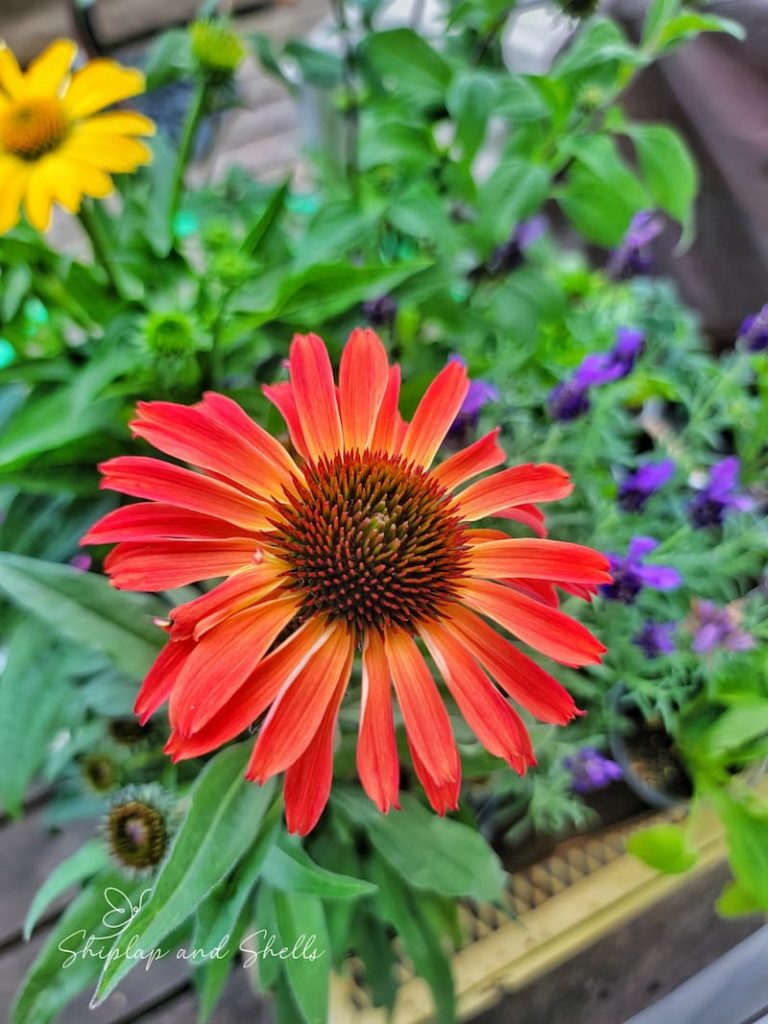
Native plants also contribute to healthier soils. Their deep root systems help anchor soil, reducing erosion while improving its ability to retain moisture. This is particularly valuable in areas prone to drought or heavy rains. Additionally, some native species, such as coneflowers and black-eyed Susans, can improve soil fertility, allowing for a more vibrant ecosystem in both garden and yard.
Natural Pest Control
When it comes to pest management, many native plants act as natural deterrents. For example, marigolds emit a scent that deters nematodes and other garden pests, while citronella is well-known for repelling mosquitoes. In contrast, some native flowers, like sunflowers, can attract predatory insects that feast on the very pests that trouble gardeners. Consequently, by planting strategically chosen native species, homeowners can create an organic pest control plan.
The Shift Towards Sustainable Home Maintenance
As the demand for sustainable solutions grows, understanding the value of native plants becomes increasingly important for homeowners. Not only do they aid in creating a thriving garden, but they also promote ecological responsibility. Embracing native plants allows individuals to manage pest issues without reliance on harmful chemical pesticides. This shift can make a substantial difference, contributing to a healthier and more sustainable future.
In conclusion, the introduction of native plants into home landscapes can transform ordinary gardens into sustainable sanctuaries. By understanding and utilizing these species, homeowners can make informed choices that benefit both themselves and the environment.
DISCOVER MORE: Click here to learn how to prioritize your cleaning tasks
Harnessing the Power of Native Plants for Pest Management
As the quest for sustainable home maintenance continues to gain traction, the integration of native plants emerges as a cornerstone for natural pest control strategies. Homeowners looking to mitigate pest issues while fostering a healthy ecosystem can find solace in the selections of native flora that effectively repel unwanted guests without the side effects associated with chemical pesticides. By embracing these plants, you’re not only beautifying your space but also enacting a broader ecological responsibility.
Understanding the Role of Companionship in Planting
The concept of companion planting—where certain plants are positioned together to enhance growth and ward off pests—is particularly significant for those utilizing native species. The symbiotic relationships formed in these plant communities can deter pests while attracting beneficial insects. Below are some examples of how different native plants can work in harmony to enhance a garden’s resilience:
- Prairie Coneflower (Ratibida columnifera): This native plant not only thrives in various soil conditions but also attracts insects like lacewings that are known to feed on aphids.
- Western Bluebell (Mertensia ciliata): Known to draw in bees and butterflies, these blue beauties can help pollinate other plants while diverting pests from nearby crops.
- Goldenrod (Solidago spp.): A fall-blooming native that attracts predators such as wasps, which help control populations of caterpillars and other plant-eating pests.
Incorporating these plants into gardens not only aestheticizes your landscape but provides a natural pest management toolkit. For instance, planting a row of coneflowers along the edge of a vegetable garden can create a barrier against common pests like aphids and spider mites, allowing your vegetables to flourish without chemical intervention.
The Science Behind Natural Repellents
Many native plants possess innate properties that can assist in pest management. For example, catnip, known for its effects on domestic cats, also emits compounds that repel mosquitoes—a phenomenon lingering in scientific study. Similarly, rue, a traditional herbal plant, has been valued for its ability to repel various garden pests while being aesthetically pleasing. Understanding the underlying science behind these natural repellents equips homeowners with knowledge on how to cultivate an organic approach to pest control.
Furthermore, when native plants are nurtured, they create a robust web of life within your yard. This biodiversity ensures that a natural balance is maintained, minimizing the chances of pest outbreaks. The vitality brought forth by native plants is a reminder of the intricate relationships in nature; by disrupting these connections with harsh chemicals, we may invite more problems than we solve.
As you embark on the journey of incorporating native plants into your outdoor spaces, consider both their visual appeal and their ecological benefits. With the right choices, you can create a thriving environment that not only enhances your home but also champions sustainable practices, solidifying your commitment to a healthier planet.
Sustainable Home Maintenance: Incorporating Native Plants for Natural Pest Control
As homeowners increasingly seek eco-friendly solutions, incorporating native plants into landscape design has emerged as a formidable approach to pest management. This practice not only enriches the ecosystem but also promotes biodiversity, making gardens resilient to pest infestations.
Native plants are well-adapted to their local environments, requiring less water and fewer chemicals compared to non-native species. They naturally attract beneficial insects, such as ladybugs and lacewings, which prey on common pests like aphids and spider mites. Implementing these plants fosters a sustainable environment that helps to maintain natural pest control mechanisms.
| Advantages | Description |
|---|---|
| Lower Maintenance Costs | Native plants require less water and fertilizer, reducing long-term gardening expenses. |
| Enhanced Biodiversity | Support local wildlife by creating habitats for pollinators and other beneficial creatures. |
In light of climate change and habitat loss, choosing native plants is a proactive step towards sustainable home maintenance. By creating a healthier living space for both plants and animals, homeowners can engage in practices that nurture their environment while ensuring effective pest management.
For anyone interested in revitalizing their garden, understanding the intricacies of native plants and their role in pest control can unlock new gardening possibilities. The results are not only visually appealing but also contribute to a greener planet.
DISCOVER MORE: Click here for insights on optimizing your space
Creating a Biodiverse Ecosystem for Enhanced Pest Control
The concept of pest control extends beyond simply repelling insects; it involves fostering a balanced ecosystem where each organism plays a vital role in maintaining harmony. By integrating native plants into your garden, you can cultivate a thriving environment that supports not only beautiful flora but also a myriad of fauna that contributes to natural pest management.
Attracting Essential Pollinators and Predators
One of the foremost benefits of using native plants is their intrinsic ability to attract vital pollinators and natural pest predators. For instance, planting milkweed (Asclepias spp.) not only aids in the survival of the iconic monarch butterfly but also brings in other pollinators, which can inadvertently contribute to pest control in the garden. By creating a sanctuary for these beneficial insects, homeowners often find a decrease in pest populations over time.
Moreover, certain native plants serve as “trap crops,” which can lure pests away from more vulnerable plants. For example, Japanese honeysuckle (Lonicera japonica), despite its invasive nature in some contexts, can attract aphids away from crops such as cabbages and peppers. While maintaining pest populations in check, such strategies turn potential threats into solutions, effectively using nature’s diversity to one’s advantage.
Enhancing Soil Health and Plant Resilience
Native plants are not only exquisite in appearance but also play a crucial role in enhancing the overall health of your garden’s soil. Their deep rooting systems can stabilize the soil, preventing erosion, while their organic matter contributes to improved soil structure and nutrient availability. Healthy soil, in turn, supports the growth of strong plants less susceptible to pests.
For instance, incorporating echinacea (Echinacea purpurea) not only attracts beneficial insects but also works to enrich the soil through its extensive root system, which helps retain moisture. This resilience manifests in the form of less disease and fewer pest infestations since healthy plants naturally produce chemicals that deter unwanted insects.
Utilizing Native Grasses as Pest Barriers
Incorporating native grasses can also bolster your garden’s defense against pests. Grasses like little bluestem (Schizachyrium scoparium) not only add visual interest but can act as a physical barrier, hindering the movement of pests toward more vulnerable crops. This technique leverages ecological principles that echo practices embraced by Indigenous cultures for centuries, showcasing how ancient wisdom can inform modern sustainable gardening.
Furthermore, understanding the lifecycle of pests in conjunction with plant cycles is crucial. Planting native flowers like black-eyed Susans (Rudbeckia hirta) in waves throughout the growing season can provide continuous blooms, ensuring a steady presence of pollinators and predators. This strategic planning not only beautifies your space but enhances pest control efficacy.
As homeowners delve deeper into the world of sustainable home maintenance, embracing native plants becomes an empowering choice. Not only are these flora well-adapted to local conditions, reducing the need for water and fertilizers, but they naturally participate in the balance of your garden’s ecosystem. By harnessing their potential, you contribute not only to personal pest management solutions but to a greater environmental stewardship that aligns with sustainable practices.
DISCOVER MORE: Click here to learn how minimalism can streamline your cleaning process
Conclusion: Embracing Native Plants for Sustainable Solutions
Incorporating native plants into your home maintenance regimen not only enhances your garden’s aesthetic but plays a pivotal role in creating a sustainable ecosystem that can naturally control pests. By cultivating biodiversity, attracting essential pollinators and predators, and enriching soil health, homeowners are empowered to forge a living landscape that thrives harmoniously with nature.
The intelligent use of native plants such as milkweed and echinacea exemplifies how sustainable gardening practices can mitigate pest issues without the need for chemical interventions. Their ability to function as trap crops or physical barriers highlights the ingenuity of natural solutions, enabling you to manage pest populations effectively while advocating for local wildlife preservation.
Moreover, understanding the ecological interconnections within your garden lays the foundation for effective long-term pest management. As you integrate native species and observe their interactions, you will foster not only a healthier garden but also contribute to the broader goal of environmental stewardship. This commitment to sustainable home maintenance echoes a larger movement towards an eco-friendlier lifestyle, supporting the conservation of local ecosystems.
As you embark on this journey, consider exploring local resources or community gardens that promote the use of native flora. Educational workshops and local gardening clubs can further deepen your understanding. By taking actionable steps today, you can ensure that your garden not only flourishes but serves as a testament to a sustainable future for generations to come.

Linda Carter
Linda Carter is a home organization writer and cleaning efficiency specialist who helps households maintain spotless spaces with minimal effort. With extensive experience developing smart cleaning systems and preventive maintenance routines, she shares practical strategies on our platform for streamlining chores and preserving home value. Her goal is to empower homeowners with time-saving techniques and proactive care strategies to create cleaner, healthier, and more manageable living environments.