The Evolution of Cleaning Tools: From Traditional to High-Tech Solutions
The Evolution of Cleaning Tools
Cleaning tools have undergone a remarkable transformation over the years, reflecting advancements in both technology and lifestyle. From simple hand-held brooms to sophisticated robotic vacuums, the journey of cleaning tools showcases innovation at every step.
Consider some of these key stages in the evolution of cleaning tools:
- Traditional Tools: Brooms, mops, and washcloths.
- Mechanical Innovations: Vacuum cleaners and steam mops.
- Modern High-Tech Solutions: Robot vacuums and smart cleaning systems.
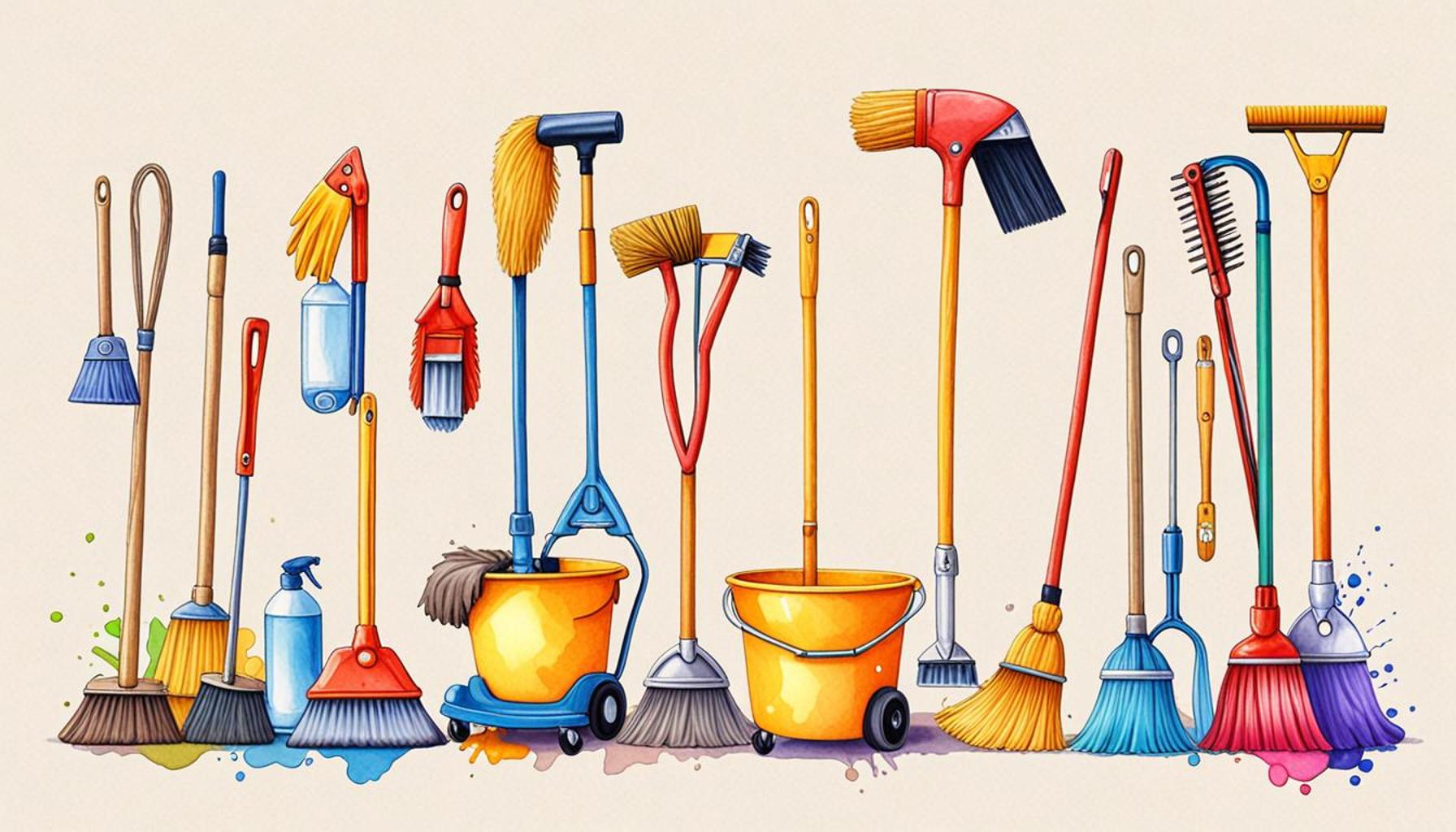
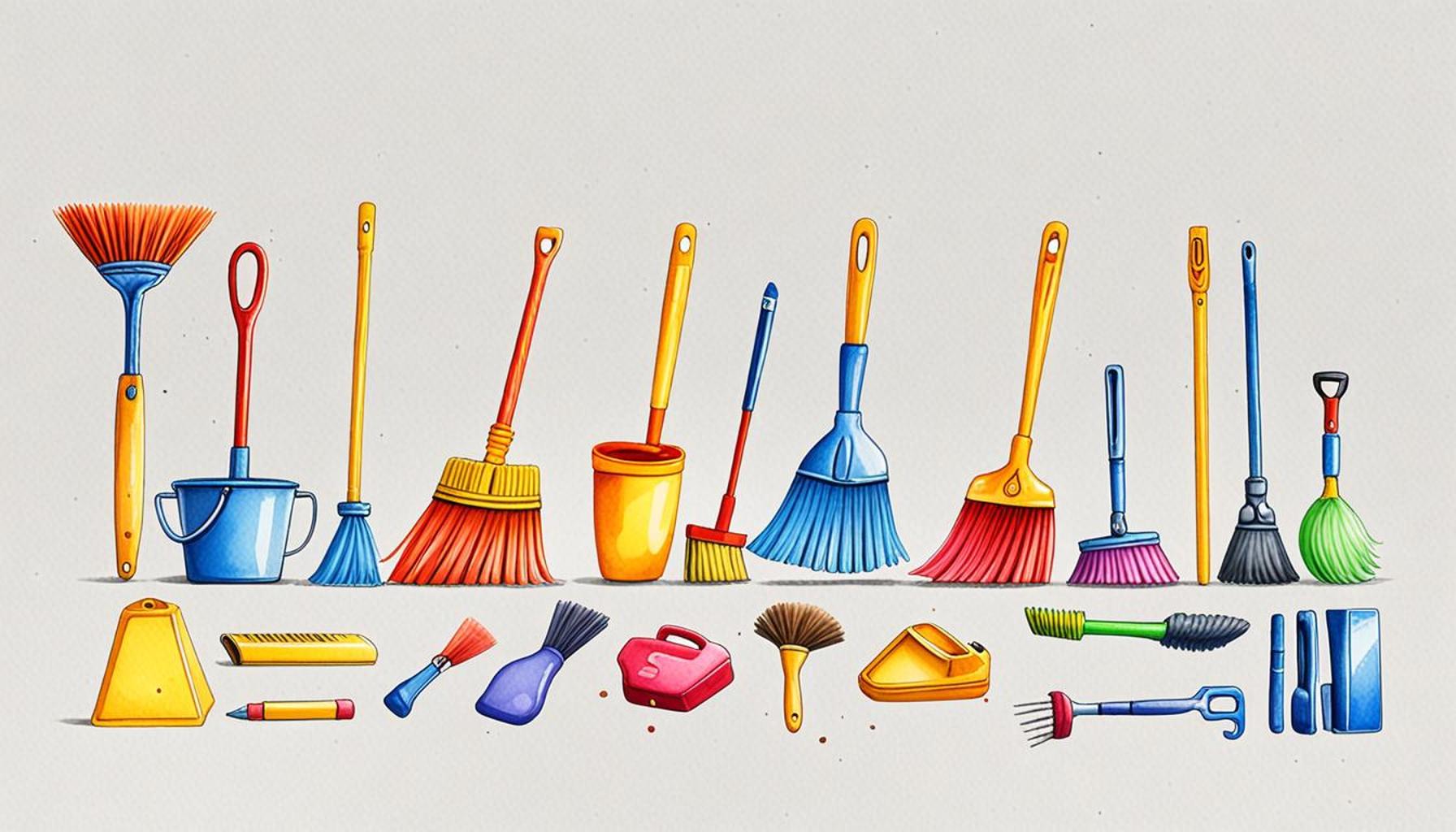
Initially, cleaning relied heavily on practical and rudimentary tools. In ancient times, the most basic implements were brooms crafted from natural materials like twigs and straw. These tools, although simple, required physical effort, which reflected the labor-intensive nature of household chores. As societies evolved, so did their tools, leading to the introduction of mops and cloths that improved efficiency without sacrificing effectiveness.
With the onset of the Industrial Revolution, the landscape of cleaning transformed significantly. Vacuum cleaners emerged in the early 20th century, initially powered by gasoline or steam. The first electric vacuum was introduced around 1907, forever changing how people approached home cleaning. This pivotal moment meant an end to the days when dusting and sweeping were the extent of household upkeep. Following this innovation, the introduction of steam mops provided a new method for sanitizing floors without the need for harsh chemicals, paving the way for more environmentally friendly cleaning practices.
The rapid development of technology brought about a second transformation in cleaning tools during the late 20th and early 21st centuries. Robot vacuums, first introduced in the early 2000s, represent a cutting-edge advancement in home cleaning. These devices, equipped with smart sensors and navigation systems, can efficiently traverse floors without the need for human intervention. In addition, the rise of smart cleaning systems has enabled users to integrate their cleaning tools with mobile applications, empowering them to control and monitor cleaning schedules remotely. This shift toward automation epitomizes the growing demand for convenience in today’s fast-paced world.

As we explore this evolution, it is essential to note how companies continuously enhance these cleaning products with features such as self-emptying capabilities, real-time mapping, and voice-activated controls. These advancements not only facilitate cleaning but also allow consumers to maintain a higher standard of hygiene with less effort.
This fascinating journey from humble beginnings to a high-tech era of cleaning solutions invites us to reflect on the implications for our daily lives. As households increasingly embrace these innovative tools, we must consider what this means for the future of cleaning and the potential environmental impact of these technological advancements. Join us on this exploration of just how far we’ve come and what is yet to come in the world of cleaning technology.
DISCOVER MORE: Click here to learn how to streamline your seasonal cleaning
From Brooms to Robot Vacuums: A Historical Perspective
The journey of cleaning tools reflects society’s broader shifts in technology, lifestyle, and expectations of cleanliness. The earliest cleaning devices were straightforward yet efficient, designed to streamline tasks that were once labor-intensive and time-consuming. Ranging from brooms made of natural materials to mops that utilized wet cloths, these tools primarily focused on function rather than form. Each innovation contributed to a gradual evolution, allowing households to manage dirt and clutter more effectively.
In examining these traditional cleaning tools, we find that brooms served as a fundamental means for maintaining both indoor and outdoor spaces. They were hand-crafted using materials like twigs, straw, and even palm fronds, showcasing a blend of artistry and practicality. Mops, introduced shortly thereafter, utilized absorbent fabrics, enabling the quick cleanup of spills and dirt accumulation, a necessity for families in a rapidly industrializing world.
As technology advanced, the introduction of mechanical innovations brought forth the vacuum cleaner, a groundbreaking development in home cleaning. The initial versions were often cumbersome and complex, powered by gasoline or steam, making them less accessible. However, by 1907, the first electric vacuum cleaner hit the market, launching an era of ease and efficiency. Vacuum cleaners minimized manual effort, allowing households to address accumulated debris with a simple push of a button rather than hours of tedious labor.
Alongside the vacuum cleaner, the emergence of steam mops marked another significant leap in cleaning innovation. By harnessing the power of steam, these tools could sanitize floors without relying on chemical cleaners, offering an environmentally conscious alternative. The ability to kill germs and bacteria while cleaning surfaces added to the appeal of steam mops, positioning them as household staples in the 21st century.
This period of mechanical innovation seamlessly transitioned into the digital age, where technology began to revolutionize cleaning once more. The introduction of robot vacuums in the early 2000s signaled a major turning point; these devices, equipped with intelligent sensors and advanced navigation, could autonomously navigate living spaces, picking up dust, dirt, and pet hair with minimal human intervention. This remarkable advancement not only enhanced cleaning efficiency but also catered to an increasingly busy lifestyle.
Accompanying this surge in automation, the rise of smart cleaning systems has allowed users to control their devices remotely through mobile applications. This seamless integration with technology includes features such as scheduling cleanings, monitoring performance, and receiving real-time updates. The modern connected home now pairs cleaning tools with cutting-edge technology, enabling users to manage their households more effectively than ever before.
As we delve deeper into the evolution of cleaning tools, it becomes apparent that the innovations we’ve experienced reflect not only our need for cleanliness but also our values regarding convenience and sustainability. The revolution in cleaning technologies raises questions about future cleaning habits, paving the way for discussions on efficiency and environmental impact.
The Evolution of Cleaning Tools: From Traditional to High-Tech Solutions
The way we clean our homes has drastically changed over the years, evolving from simple hand-tools to sophisticated technology-led solutions. Traditional cleaning methods have served us well but come with limitations in efficiency and ease. In contrast, modern cleaning tools leverage advanced technology to enhance performance and user experience. This creates not only a cleaner environment but also saves time and energy.
Now, let’s explore the notable advantages of high-tech cleaning tools over their traditional counterparts, which will further illustrate this fascinating evolution.
| Category | Key Features |
|---|---|
| Efficiency | High-tech tools often require less time while delivering superior results. |
| Automation | Devices like robot vacuums can clean independently, allowing users to multitask. |
| Advanced Technology | Features like app integration provide remote control and customizable cleaning schedules. |
| Eco-Friendly Options | Many high-tech devices utilize less water and energy, contributing to sustainability. |
This evolution from traditional to high-tech cleaning tools not only signifies a technological leap but also reflects changing consumer needs and preferences. Understanding these advancements can help consumers choose the right tools that provide cleaning efficiency while also considering sustainability and innovation.
Now that we appreciate the benefits of high-tech solutions, we can delve deeper into specific products that exemplify this evolution and what makes them stand out in today’s market.
DISCOVER MORE: Click here to learn about the transformation of cleaning tools
Smart Solutions: The Future of Cleaning Technology
As we enter an era focused on technology and innovation, the evolution of cleaning tools shows no signs of slowing down. The current landscape features a plethora of sophisticated devices, driven by artificial intelligence (AI) and Internet of Things (IoT) capabilities that redefine how we approach household chores. This transition toward high-tech solutions offers users unprecedented convenience, making cleaning tasks less of a chore and more of a seamless part of daily life.
Among the most impressive advancements is the use of smart vacuum cleaners that not only navigate and clean autonomously but also learn the layout of a home over time. These devices utilize LIDAR (Light Detection and Ranging) technology to map rooms, detect obstacles, and optimize cleaning paths. For example, the iRobot Roomba series, one of the early pioneers in smart vacuum technology, has carved a niche within thousands of homes across the United States, boasting features that allow it to adapt to various surfaces, ensuring a thorough clean.
The integration of smart home ecosystems, like Amazon Alexa or Google Assistant, has made managing these cleaning devices even easier. Users can simply issue voice commands to start or stop cleanings, set schedules, and even prioritize certain areas of the home—all from the convenience of their smartphones. Such integrations demonstrate how technology enhances user experience, saving both time and effort. In fact, a recent survey indicated that over 60% of Americans prefer using smart appliances for household tasks due to the efficiency and control they offer.
Additionally, as sustainability becomes an increasing societal focus, many manufacturers are responding by developing eco-friendly cleaning tools. Modern batteries in products like cordless vacuums are designed to last longer and charge faster, decreasing the reliance on disposable batteries and minimizing environmental impact. Innovations like the Dyson V15 Detect feature advanced filtration systems that capture allergens and microscopic dust, ensuring a cleaner indoor environment while adhering to sustainable practices.
The rise of cleaning robots has extended beyond vacuuming, with devices dedicated to mopping, window washing, and even pool cleaning entering the market. For instance, the Ecovacs Deebot seamlessly switches from vacuuming to mopping, offering multifunctional cleaning solutions in one convenient package. This versatility enhances productivity, allowing homeowners to manage multiple cleaning tasks with minimal effort.
- Automated Floor Cleaners: Robotic mops equipped with scrubbing mechanisms that tackle tough stains while navigating obstacles.
- Window-Cleaning Robots: Devices that safely cling to glass surfaces to clean windows without the need for ladders or manual labor.
- Pool Cleaners: Robots designed specifically to scrub and filter pool surfaces autonomously, enhancing maintenance efficiency.
Looking ahead, the landscape of cleaning tools will likely grow even more complex, incorporating machine learning and enhanced AI capabilities that enable devices to predict cleaning needs based on patterns and schedules. As technology continues to advance, it invites us to reimagine the possibilities within our homes, blending cleanliness with the modern lifestyle.
The quest for cleaner, more sustainable, and efficient living spaces has further spurred innovations in cleaning technology. From smart sensors to AI-driven algorithms, the future holds promising solutions that not only cater to our desire for cleanliness but also our aspirations for a more connected, environmentally conscious world.
TIP: Click here to discover how to extend the lifespan of your appliances
Bringing the Future of Cleaning into Today’s Homes
The evolution of cleaning tools from traditional brooms and mops to cutting-edge robotic vacuums and smart home integrations illustrates a remarkable transition influenced by technology and consumer demands. No longer are cleaning tasks synonymous with back-breaking labor; instead, the rise of smart devices has ushered in an era where efficiency and ease reign supreme. As we reflect on this journey, it is clear that the advancements in cleaning technology not only promote a healthier living environment but also free up valuable time for individuals and families to engage in more meaningful activities.
Innovations such as AI-driven vacuums and multifunctional cleaning robots have revolutionized the way we maintain our spaces, moving us beyond mere tool enhancements to comprehensive cleaning solutions. These devices are not only smarter but also align with the growing importance of sustainability, offering eco-friendly options that lessen the environmental footprint of our housekeeping habits. The incorporation of machine learning provides a glimpse into a future where our devices anticipate cleaning needs, thereby further streamlining our routines.
As technology continues to advance, the landscape of cleaning tools is poised to become even more intricate and intuitive. The integration of smart ecosystems will likely expand, inviting even more connectivity among devices, allowing homeowners to control and customize their cleaning experience from virtually anywhere. With each new product launch, we are reminded that the evolution of cleaning tools is not simply about making chores easier; it’s about enhancing our quality of life while maintaining a cleaner and healthier home.
As we stand on the brink of these exciting developments, it is perhaps an opportune moment for consumers to reevaluate their cleaning strategies and embrace the possibilities that modern technology offers for our everyday lives.

Linda Carter
Linda Carter is a home organization writer and cleaning efficiency specialist who helps households maintain spotless spaces with minimal effort. With extensive experience developing smart cleaning systems and preventive maintenance routines, she shares practical strategies on our platform for streamlining chores and preserving home value. Her goal is to empower homeowners with time-saving techniques and proactive care strategies to create cleaner, healthier, and more manageable living environments.