
The Importance of Routine: Creating a Cleaning Schedule that Works for Your Family

The Impact of a Well-Planned Cleaning Routine
In today’s fast-paced world, the multiple responsibilities individuals face can make maintaining a clean home feel like an uphill battle. However, adopting a structured cleaning schedule offers numerous advantages beyond mere tidiness—it cultivates a sense of organization and tranquility. Families that weave routine into their cleaning practices often experience a multitude of benefits that can improve overall home life.
- Reduces Stress: The simple act of knowing what needs to be tackled and when can profoundly alleviate feelings of anxiety. A 2022 study highlighted that a clean space significantly improves mental clarity and reduces feelings of overwhelm, making it easier for families to focus on other responsibilities.
- Encourages Accountability: A household cleaning schedule fosters a team-oriented atmosphere. When each family member knows their tasks, it promotes a shared sense of responsibility, creating an environment where everyone is invested in maintaining the home. For example, parents can delegate age-appropriate chores like sweeping the floor to younger children or organizing bookshelves to teenagers, which not only instills work ethics but also enhances family bonding.
- Promotes Consistency: With a routine in place, cleaning tasks are performed regularly, which prevents clutter and chaos. More importantly, studies indicate that regular cleaning can help maintain a healthy living environment, free of dust and allergens that can impact health.
A well-structured cleaning schedule is not a one-size-fits-all solution; it varies significantly based on individual family dynamics and preferences. When designing an effective routine, consider several key components:
- Timing: Analyze your family’s schedule and identify optimal times to clean. Early mornings or weekends might prove most effective for some families, while others may prefer evenings when everyone is home and can participate.
- Task Distribution: It is essential to assign chores that align with the capabilities of each family member. For instance, younger children might help with simple tasks such as picking up toys, while older siblings can manage more complex responsibilities like vacuuming or laundry.
- Flexibility: Adaptability is crucial for a sustainable cleaning routine. As family schedules change—whether due to new work commitments, school activities, or other obligations—the cleaning schedule may need to be adjusted accordingly.
By prioritizing a well-thought-out cleaning routine, families can convert their homes into cohesive and harmonious spaces. The next step is to explore how to create a tailored cleaning schedule that fits your specific lifestyle. Embrace the opportunity for a cleaner, more organized home, and watch as your environment transforms to reflect not just order, but also peace and well-being for everyone in the household!
DISCOVER MORE: Click here
Crafting a Personalized Cleaning Schedule
Establishing a cleaning schedule that suits your family requires more than merely jotting down a list of chores on a calendar. It necessitates a thoughtful approach tailored to the unique rhythms of your household. When you begin by assessing your family’s existing routines, you can better create a cleaning schedule that seamlessly fits into everyday life, making the process manageable rather than overwhelming.
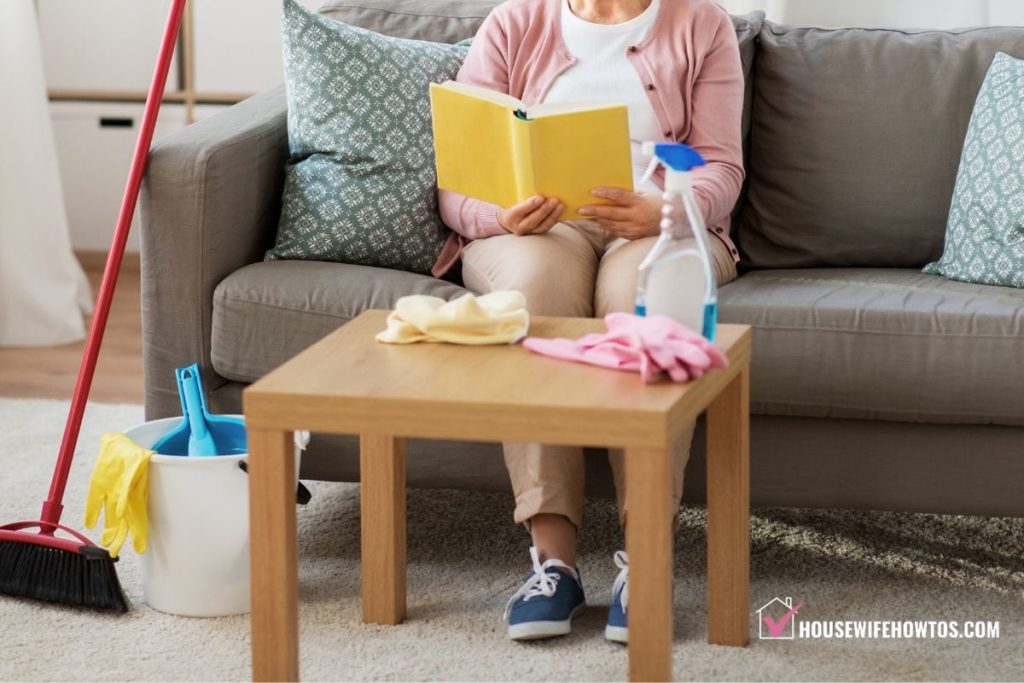
Start by discussing your family’s daily and weekly schedules. Pay close attention to when your household is most active. For instance, if weekday evenings are often filled with sports practices, homework, or family time, it may be beneficial to allocate more cleaning tasks to weekends. Engage every family member in this discussion to gather insights into their preferences and availability. This collaborative approach not only promotes buy-in but also sparks conversation about the importance of a clean and organized home.
Key Elements of an Effective Cleaning Routine
To ensure your cleaning schedule remains effective and sustainable, consider incorporating the following elements:
- Daily Tasks: These involve quick pickups and essential chores that can be done in 10-15 minutes. Include routines such as washing dishes after meals, making beds, and wiping down counters. Small daily tasks can maintain a sense of order without demanding excessive time.
- Weekly Tasks: Dedicate certain days for more intensive cleaning efforts. For example, designate Monday for vacuuming and mopping floors, Wednesday for dusting surfaces, and Saturday for kitchen deep cleaning. Spreading these tasks throughout the week helps prevent chores from piling up.
- Monthly Deep Cleaning: Engage in less frequent, thorough cleaning tasks, like washing windows, deep-cleaning carpets, or organizing closets. These activities can be planned for a weekend when your family has more available time. Consider setting a specific day each month to tackle deep cleaning to create a sense of accountability.
Integrating a combination of daily, weekly, and monthly chores into your cleaning schedule not only breaks down responsibilities into manageable segments but also enhances your family’s sense of achievement with a clean home. Celebrating completion of tasks—whether big or small—can act as a motivational boost, encouraging family members to continue contributing to household cleanliness.
As you work together to build your custom schedule, be prepared to make adjustments as necessary. Your family’s structure, children’s ages, and even your own capacity can shift over time. Evaluating and revising the routine will ensure it stays relevant and effective in creating a harmonious living environment, thus underscoring the importance of establishing a cleaning schedule that works for your family.
Creating a cleaning schedule may seem daunting at first, but implementing a consistent routine can positively transform your family’s environment. It allows for a structured approach that accommodates busy lifestyles while promoting cleanliness and organization. By segmenting tasks throughout the week, each family member can contribute, fostering a sense of responsibility and teamwork.
Benefits of Implementing a Cleaning Schedule
Among the key advantages of establishing a cleaning routine is the reduction of stress and overwhelm. When chores are scheduled, family members can allocate specific times for cleaning, eliminating the last-minute rush that often leads to chaos. Additionally, children learn essential life skills and the importance of contributing to household upkeep, which can be invaluable for their development.Another significant benefit of a cleaning schedule is that it can help maintain hygiene standards consistently. Regular cleaning minimizes the accumulation of dust and allergens, contributing to a healthier home environment. It can significantly decrease the likelihood of illness within the family, ensuring that everyone remains fit and active.Furthermore, a well-structured cleaning schedule enhances time management skills. When chores are planned, families can better navigate their daily routines, creating a more harmonious living space. This allows for more quality family time and less contention over household responsibilities.To better visualize and implement these advantages, consider the following table:
| Category | Advantages |
|---|---|
| Stress Reduction | A cleaning schedule decreases the burden of last-minute chores. |
| Health Benefits | Regular cleaning minimizes allergens and promotes a healthier environment. |
| Life Skills Development | Children gain valuable skills while learning responsibility through chores. |
Incorporating a routine can be advantageous for every family member, enhancing not only the cleanliness of your home but also the overall family dynamic. As you begin to create a schedule, consider each family member’s preferences and commitments, ensuring that everyone is on board with the plan. This mutual effort can cultivate a sense of pride and achievement, making the cleaning process more enjoyable and effective.
DISCOVER MORE: Click here to unlock space-saving tips
Staying Motivated and Accountable
Once you’ve crafted a personalized cleaning schedule, the next crucial step is to keep your family motivated and accountable. Building a clean and organized home requires ongoing commitment, and there are numerous strategies to help maintain enthusiasm for these routine tasks. One effective method is to establish a family cleaning calendar that visualizes everyone’s responsibilities. Displayed prominently, such as on the refrigerator or a family bulletin board, this calendar serves as a constant reminder of each member’s role in maintaining household order.
Incorporating Fun into Cleaning
Transforming cleaning chores into a more enjoyable experience can significantly improve participation. Consider implementing family cleaning challenges where tasks are gamified. For instance, set a timer for 15 minutes and see who can clean their designated area most effectively before the time runs out. You could also create a rewards system where family members earn points for completing chores, which can later be exchanged for privileges, like a movie night or a family outing. These activities not only enhance cooperation but also foster a sense of accomplishment and belonging within the family unit.
Utilizing Technology
In today’s digital age, leveraging technology can provide innovative solutions for managing cleaning schedules. Numerous apps are designed specifically for this purpose, enabling families to assign tasks, set reminders, and track progress. Popular apps such as Cozi, OurHome, or Todoist allow you to create a shared list that can indicate who is responsible for what. This digital approach appeals especially to tech-savvy families who may find it easier to consult their smartphones rather than a physical calendar.
Adjusting to Your Family’s Needs
Flexibility is crucial when maintaining a cleaning schedule. Life is unpredictable; thus, it’s important to remain adaptable to unforeseen events like last-minute plans or unexpected illness. If certain weekends become too busy for extensive cleaning, consider swapping tasks with a less hectic day. This fluidity can help keep frustrations at bay and encourage continued participation. Regularly revisiting the schedule with your family allows for necessary adjustments to reflect changing routines or responsibilities. For example, as children grow or family dynamics shift, responsibilities can also evolve, making it essential to have open conversations about how to best distribute tasks.
Creating Cleaning Teams
Another viable approach is to create small cleaning teams within the family. Pairing younger children with an adult or older sibling fosters mentorship while accomplishing tasks. For example, an adult can oversee dusting while teaching a child the importance of maintaining surfaces. This not only distributes the workload but also instills valuable life skills in the younger members of the family.
Incorporating these motivational tools and strategies into your cleaning schedule can help maintain a clean home while ensuring that everyone remains engaged. An organized, clean environment directly contributes to overall family well-being, making it worthwhile to invest the time and effort in establishing a cleaning schedule that resonates with your family’s lifestyle, preferences, and unique characteristics.
DISCOVER MORE: Click here for valuable tips
Conclusion: Embracing the Power of Routine
In conclusion, creating a cleaning schedule that works for your family is not merely about keeping your home tidy; it’s a vital aspect of establishing a harmonious and functional household. By incorporating strategies that ensure motivation, adaptability, and teamwork, you are paving the way for a collaborative environment where every family member plays an integral role. The benefits of a well-structured cleaning routine extend beyond aesthetics, significantly influencing mental well-being and the overall atmosphere within the home.
Moreover, as families grow and change, staying open to adjustments in your cleaning schedule will ensure that everyone remains engaged and responsible. Innovative tools, such as household apps or gamified tasks, make the cleaning process more appealing and can transform mundane chores into shared family activities. Utilizing technology serves as an excellent resource, streamlining communication and breaking down tasks into manageable portions that fit into your family’s unique lifestyle.
Ultimately, the key lies in finding what resonates best with your family dynamics. Establishing a cleaning routine designed for your specific needs fosters a sense of pride and ownership among family members. As you embark on this journey, remember that routine is not just about cleanliness; it is about building habits that promote unity, teaching life skills, and promoting long-term family well-being. By prioritizing cleaning as a family effort, you are not only enhancing your living space but also reinforcing bonds that last a lifetime. Embrace the commitment to routine, and enjoy the transformative effects it brings to your home.

Linda Carter
Linda Carter is a home organization writer and cleaning efficiency specialist who helps households maintain spotless spaces with minimal effort. With extensive experience developing smart cleaning systems and preventive maintenance routines, she shares practical strategies on our platform for streamlining chores and preserving home value. Her goal is to empower homeowners with time-saving techniques and proactive care strategies to create cleaner, healthier, and more manageable living environments.