
Tips for Creating a Daily Cleaning Schedule That Fits Your Routine
Understanding the Benefits of a Daily Cleaning Routine
Maintaining a clean home can often feel overwhelming. Between work, family, and social commitments, it’s easy for cleaning to get pushed to the bottom of your to-do list. However, a well-structured daily cleaning schedule can transform chaos into a manageable routine. By dedicating a little time each day, you can enjoy the benefits of a tidy living space without sacrificing your precious leisure time.
Consider the essential benefits of an effective cleaning schedule:
- Time Management: Allocating specific times for cleaning ensures that tasks are completed efficiently. Instead of spending hours on the weekend scrambling to tidy the entire house, you can tackle smaller tasks throughout the week. For instance, you might designate Monday mornings for vacuuming and dusting, while reserving Fridays for bathroom cleaning. This breakdown allows you to integrate cleaning seamlessly into your daily life.
- Consistency: A daily routine fosters habits that lead to a consistently clean home. Just like regular exercise or a good diet, cleaning becomes ingrained in your lifestyle. Over time, simple tasks such as wiping down counters or sorting mail become second nature, requiring minimal mental effort.
- Reduced Stress: Knowing when and what to clean can alleviate last-minute rushes. Unexpected guests or a looming inspection can create panic, but a set cleaning schedule means you’re always prepared. Imagine walking into your home and finding it tidy, rather than feeling the pressure of identifying overlooked chores.
With the right strategies, establishing a cleaning routine that fits your unique lifestyle is achievable. Whether you’re a busy parent, a working professional, or just someone who enjoys a well-organized space, customization is key. Here are a few important factors to consider:
- Your daily schedule: Identify the time slots that work best for you, such as early mornings or evenings after dinner. This could be as little as 15-30 minutes dedicated to cleaning, which can make a huge difference over time.
- Your home’s layout: Different areas, like kitchens and bathrooms, may require more frequent attention compared to less-used spaces. By assessing which areas need more care, you can prioritize your tasks and ensure all spaces remain hygienic.
- Personal preferences: Incorporate tasks you enjoy to make cleaning less of a chore. For example, listen to your favorite podcast or music while you tidy up. This can transform cleaning from a mundane obligation into an enjoyable activity.
Through structured planning and realistic goals, a daily cleaning schedule can enhance not only the cleanliness of your home but also your overall well-being. A clean environment promotes mental clarity, reduces allergens, and creates a more pleasant living space. Dive into these tips to craft a tailored cleaning schedule that fits your routine seamlessly. Embrace this opportunity to regain control over your environment, and discover the harmony that a clean home can bring into your life.
DISCOVER MORE: Click here for efficient cleaning strategies
Identifying Your Cleaning Priorities
The first step in creating a successful daily cleaning schedule is understanding what cleaning tasks are most essential for your home. Each household has unique needs, and by prioritizing your cleaning tasks, you can ensure that your efforts yield the best results. Begin by examining areas that might need daily attention, such as high-traffic zones or places that easily accumulate dirt and clutter.
Here are some tips to help you identify your cleaning priorities:
- Assess your space: Walk through your home and take note of which areas get the dirtiest the fastest. Consider keeping a cleaning journal for a week, where you log how often different rooms require cleaning. This observation will help you prioritize effectively.
- Consider your lifestyle: If you have pets, kids, or a busy work schedule, certain areas might need more frequent cleaning than others. For instance, kitchen floors and countertops might need daily sweeping and disinfecting, while guest bedrooms could be cleaned less frequently.
- Focus on hygiene: Identify tasks that contribute significantly to your family’s health. Regularly disinfecting bathrooms, sanitizing kitchen surfaces, and vacuuming to reduce allergens should top your priority list.
By clarifying these priorities, you can create a cleaning schedule that precisely tackles the areas of your home that require the most care. This targeted approach will not only enhance the cleanliness of your living space but also keep you motivated as you see immediate results from your efforts.
Breaking Down Your Daily Tasks
Once you’ve identified your priorities, it’s time to break down your daily cleaning tasks into manageable chunks. By distributing tasks throughout the week, you’ll prevent burnout and make each cleaning session less daunting. Consider dividing your daily tasks into categories such as “daily,” “weekly,” and “monthly” routines.
Here’s an example of how to effectively structure these tasks:
- Daily Tasks: These should include quick clean-ups like making the bed, washing dishes, wiping down countertops, and sweeping high-traffic areas.
- Weekly Tasks: Assign specific days for deeper cleaning duties, such as vacuuming entire rooms, mopping floors, or cleaning bathrooms. Assigning one or two larger tasks each day helps to balance your workload.
- Monthly Tasks: These can encompass less frequent chores such as washing windows, deep-cleaning rugs, or decluttering storage spaces.
This structured breakdown not only maximizes efficiency but also spreads the workload evenly throughout the week, making it less stressful. Make sure to adjust your schedule according to events or interruptions that may arise, as flexibility is key in maintaining consistency.
Creating an Effective Daily Cleaning Schedule
Establishing a daily cleaning schedule that fits seamlessly into your routine can significantly enhance your productivity and maintain a tidy living space. To begin, evaluate your daily activities and identify the best time slots for cleaning tasks. Consider utilizing small pockets of time, such as when waiting for dinner to cook or during short breaks, to tackle small cleaning jobs. This method can be surprisingly effective and prevents overwhelming feelings associated with a large cleaning task.
Breaking Down Your Cleaning Tasks
By categorizing your cleaning activities into manageable chunks, you can streamline your routine. For instance, mornings could focus on quick tidying tasks in high-traffic areas such as your living room and kitchen, while evenings can be reserved for deeper cleaning spots like bathrooms or bedrooms. Another consideration is delegating tasks among household members to distribute responsibilities. This not only speeds up the cleaning process but also empowers family members to contribute to a cleaner home.
Utilizing Tools and Resources
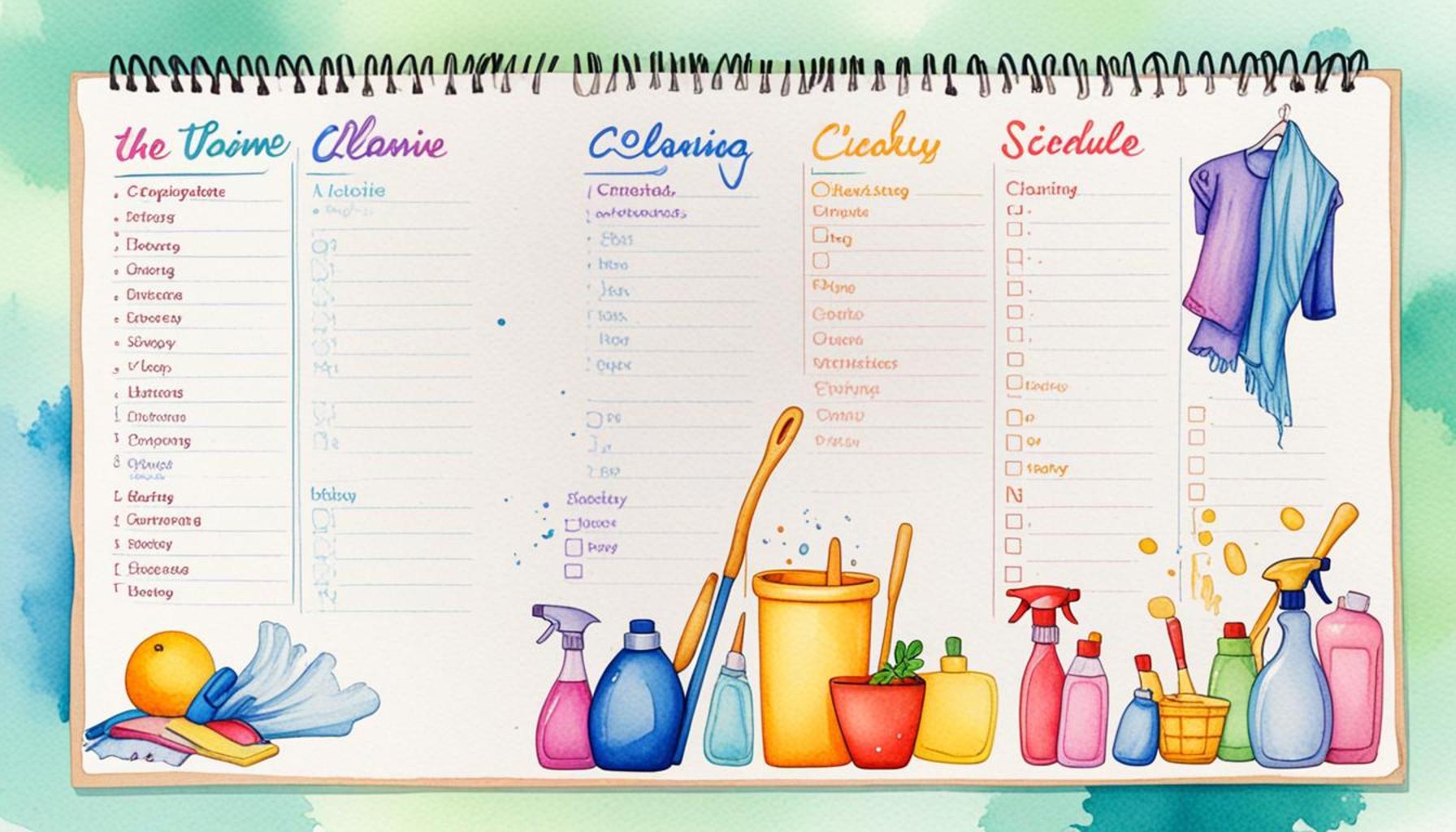
Incorporating time-saving tools and cleaning products can also help in maintaining your schedule. Consider investing in multi-surface cleaners and tools like robot vacuums that can automate cleaning tasks, allowing you to focus on other important aspects of your day. Furthermore, using apps or planners can assist in tracking your progress and keeping you motivated. A visually pleasing checklist can serve as a daily reminder for what needs to be accomplished, ensuring nothing is overlooked as part of your routine.
| Category | Key Features |
|---|---|
| Time Management | Maximize productivity with short, focused cleaning sessions. |
| Effective Delegation | Engage household members to share cleaning responsibilities. |
By staying consistent with your daily cleaning schedule, you not only cultivate a cleaner home but also a more organized lifestyle. Take the time to assess what works best for you and adjust your schedule as necessary. A flexible cleaning routine can lead to remarkable changes in your overall environment and mindset.
DISCOVER MORE: Click here for insights on creating an effective cleaning schedule
Integrating Your Cleaning Schedule with Daily Activities
Creating a cleaning schedule that seamlessly fits into your routine requires careful consideration of how cleaning tasks can align with your daily activities. The key is to incorporate short cleaning bursts during natural pauses in your day. This technique not only keeps your home tidy but also prevents cleaning from feeling like an overwhelming chore.
Here are some strategies to effectively integrate cleaning tasks into your daily life:
- Link Cleaning to Existing Habits: Pair cleaning with routines you already have. For example, if you enjoy a morning coffee, use that time to wipe down the kitchen counters while you wait for your brew. Associating cleaning tasks with established habits can make you less likely to overlook them.
- Utilize Downtime: Take advantage of pockets of downtime, such as when you’re waiting for dinner to cook or during commercial breaks if you’re watching television. A quick three to five-minute tidy-up of a room can make a significant impact over the course of the week.
- Involve Family Members: A cleaning schedule doesn’t have to be a solo endeavor. Assign age-appropriate chores to family members. This not only distributes the workload but also teaches children responsibility and teamwork. For instance, younger kids can handle dusting lower surfaces, while older ones can manage vacuuming and laundry.
By incorporating these strategies, you can develop a cleaning routine that fits into your lifestyle seamlessly, transforming cleaning from a daunting task into a manageable part of your daily activities.
Staying Motivated and Accountable
Maintaining motivation is crucial for long-term success with your cleaning schedule. When tasks feel monotonous or overwhelming, it’s easy to lose momentum. Discovering ways to keep yourself accountable and engaged can enhance your cleaning experience significantly.
Consider these motivating tactics:
- Set a Timer: Use a timer to create a sense of urgency while cleaning. When you know you only have 15 minutes to complete a task, you may find yourself working more efficiently. The “speed cleaning” approach can be both fun and effective.
- Track Your Progress: Keep a visual chart or planner that tracks which tasks have been completed. Marking off each chore can provide a rewarding sense of accomplishment. There are numerous cleaning apps available that can assist you in monitoring and maintaining your schedule.
- Create a Reward System: Give yourself a little treat for a job well done. Whether it’s indulging in a favorite snack after completing a week’s worth of tasks or taking a relaxing bath, rewards can serve as a great motivator to stick to your routine.
The integration of these motivational strategies can transform your cleaning experience from mundane to rewarding, ultimately helping you maintain a clean and healthy living environment.
DISCOVER MORE: Click here to learn about digital tools for home maintenance
Conclusion
Establishing a daily cleaning schedule that aligns with your lifestyle does not have to feel like a daunting task. By integrating cleaning tasks into your daily activities, such as linking them to habits you already practice or utilizing moments of downtime, you can transform housekeeping from a chore into a seamless part of your day. Additionally, enlisting family members in the effort not only lightens your load but fosters teamwork and responsibility among all contributors.
Moreover, to maintain motivation and ensure accountability, consider techniques like setting a timer for speed cleaning, tracking your progress visually, or implementing a reward system to celebrate your achievements. The accumulation of small, manageable tasks can maintain a sense of order and cleanliness in your home, making the process feel less overwhelming.
Ultimately, adopting these strategies empowers you to create a sustainable cleaning routine that suits your unique lifestyle. By remaining flexible and experimenting with different techniques, you can discover what works best for you, ensuring that your living space remains a welcoming and organized haven.
As you embark on this journey of creating a cleaning schedule that fits your routine, remember that consistency is key. Adjust your approach as necessary and take pride in maintaining a clean environment that enhances your daily life. With a bit of planning and commitment, you’ll undoubtedly find that a tidy home contributes to a more productive and harmonious living atmosphere.

Linda Carter
Linda Carter is a home organization writer and cleaning efficiency specialist who helps households maintain spotless spaces with minimal effort. With extensive experience developing smart cleaning systems and preventive maintenance routines, she shares practical strategies on our platform for streamlining chores and preserving home value. Her goal is to empower homeowners with time-saving techniques and proactive care strategies to create cleaner, healthier, and more manageable living environments.