Tips for Creating a Preventive Maintenance Schedule to Extend the Lifespan of Appliances
Understanding Preventive Maintenance for Appliances
Every household depends on a variety of appliances to streamline daily tasks. Yet, many owners overlook the importance of regular upkeep. By creating a structured preventive maintenance schedule, you can not only enhance performance but also significantly extend the lifespan of these essential devices.
Why Preventive Maintenance Matters
Preventive maintenance is about proactively addressing potential issues before they escalate into major problems. Here are some critical benefits:
- Cost Savings: Engaging in preventive maintenance can prevent expensive repairs caused by neglect. For instance, a minor issue with a dishwasher, like a clogged filter, can lead to a leak that damages your kitchen floor, ultimately costing a lot more.
- Efficiency: Regular upkeep ensures appliances operate at peak performance. A well-maintained refrigerator, for example, uses less energy to keep your food cold, translating into savings on utility bills.
- Safety: Preventive maintenance reduces the risk of accidents, such as electrical malfunctions or gas leaks, which can occur in poorly maintained appliances. Regular inspections can catch these dangers early.
Common Appliances to Include in Your Schedule
When creating your maintenance plan, consider the following appliances:
- Refrigerators: Check door seals, clean condenser coils, and defrost when necessary to maintain cooling efficiency.
- Washing machines: Regularly inspect hoses for any wear and tear, and ensure the drum and the filter are clean to avoid malfunctions.
- Dishwashers: Clean the spray arms and check the inlet valve periodically to keep your dishwasher running smoothly.
- HVAC systems: Schedule seasonal check-ups for heating and cooling systems, change filters monthly, and ensure that vents are not blocked to maintain optimal airflow.
These devices require specific care to function correctly. For example, neglecting to clean your HVAC filters can lead not only to poor air quality but also to higher energy costs and an increased chance of breakdowns during extreme weather. In addition to these common appliances, consider other devices such as microwaves and ovens, which may benefit from occasional maintenance as well.
As you embark on crafting your preventive maintenance schedule, think about incorporating reminders into your calendar or utilizing apps designed to track household maintenance tasks. By prioritizing regular upkeep, you’ll not only enjoy the benefits of efficient operation but also protect your investment in your home’s appliances.

DIVE DEEPER: Click here to discover the key to effective cleaning
Assessing Your Appliances’ Needs
Before diving into the creation of your preventive maintenance schedule, it’s crucial to assess the specific needs of each appliance in your home. Each appliance has unique requirements based on its function, age, and manufacturer’s recommendations, and understanding these needs is the foundation of an effective maintenance plan.
Understanding Manufacturer Guidelines
One of the first steps in creating a maintenance schedule is to consult the manufacturer’s guidelines. These guidelines often come with user manuals or can be found online on the manufacturer’s website. They typically include maintenance intervals, recommended cleaning methods, and troubleshooting tips. Following these recommendations ensures that you’re not only meeting the basic care needs but also complying with any warranty requirements. For instance, did you know that failing to have your HVAC system serviced by a professional at least once a year could void your warranty?
Frequency of Maintenance Tasks
Establishing how often individual maintenance tasks should be performed is essential for maximizing the lifespan of your appliances. Here’s a general breakdown of common tasks and their recommended frequencies:
- Monthly: Change or clean filters for HVAC systems, check the refrigerator’s condenser coils, and clean dishwasher filters to prevent build-up.
- Quarterly: Inspect washing machine hoses for wear and tear, clear out lint from dryer vents, and clean the exhaust fan in the bathroom.
- Annually: Schedule professional cleanings and inspections for your HVAC system, deep clean and inspect your oven and range, and check the electrical connections in your appliances for any signs of wear.
These timeframes can vary based on usage; heavy use may accelerate the need for some maintenance tasks. For example, if your household frequently uses the dishwasher, you may want to clean the filters more often to maintain optimal performance. On the other hand, if you have a secondary refrigerator that is rarely used, monthly checks may not be as critical. Tailoring the schedule to your specific usage patterns can bring huge benefits.
Documenting Your Schedule
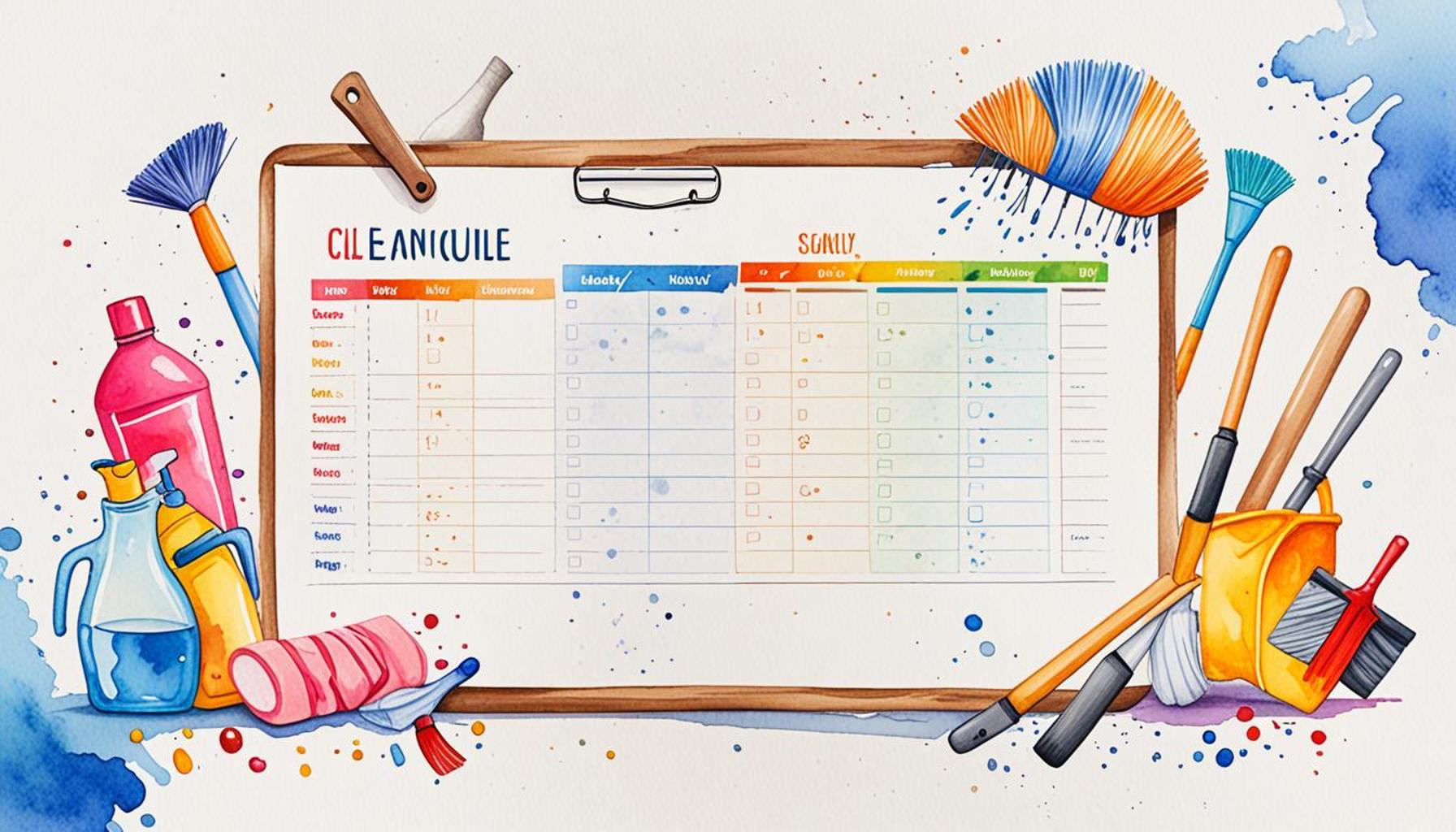
With a thorough understanding of your appliances and their needs, the next step is to document your maintenance schedule. Using physical or digital calendars can make this process seamless. Consider leveraging reminder apps that can alert you when tasks are due. An organized schedule does not only help you keep track of your maintenance tasks but also allows you to plan for potential disruptions in your routine. For instance, scheduling an annual maintenance check for your HVAC system before the summer or winter season can prevent unexpected outages when you need heating or cooling the most.
By taking the time to thoroughly assess your appliances’ needs, understand recommended maintenance frequencies, and document a tailored schedule, you will set the stage for effective and lasting preventive maintenance. This proactive approach ensures that your appliances serve you well for years to come.
Understanding the Importance of a Preventive Maintenance Schedule
Creating a preventive maintenance schedule is not merely a suggestion, but a critical practice that can significantly impact the overall performance and longevity of your appliances. By allocating specific times for maintenance checks, you can catch potential issues before they escalate, ensuring your appliances operate efficiently throughout their lifespan. Here are several key reasons why a systematic approach is essential:
Enhancing Efficiency
When appliances are well-maintained, they operate more efficiently. Regular checks can identify worn-out components or minor issues that could impede their functionality. For example, cleaning the air filters in your refrigerator or vacuum can lead to better performance and reduced energy consumption. Implementing a plan that includes routine cleaning and lubrication ensures your appliances work at optimal levels, ultimately saving you on utility bills.
Preventing Costly Repairs
Addressing small problems early can prevent them from developing into more significant, costly repairs down the line. For instance, a minor leak in a washing machine, if unaddressed, could lead to water damage or complete appliance failure. By keeping to a regular maintenance schedule, you can save yourself from unexpected repair costs, making it a financially wise decision.
Extending Appliance Lifespan
Regular maintenance prolongs the lifespan of your appliances. By promptly changing filters, tightening loose parts, and ensuring proper calibration, you enhance their durability. According to industry studies, appliances that receive routine care can last years longer than those that don’t. Keeping this in mind, incorporating a schedule for maintenance checks can significantly affect the longevity of your investments.
Safety Assurance
Safety should always be a priority. Faulty appliances can pose several threats, including electrical fires or health hazards. Ensure that your preventive maintenance schedule includes safety checks, such as inspecting electrical cords for damage or testing smoke detectors related to appliance use. This proactive approach can help create a safer home environment.Incorporating these tips into your preventive maintenance schedule can provide long-term benefits for both your appliances and your peace of mind. For more detailed guidance on setting up a schedule and specific appliance tips, keep exploring the article further!
| Category | Benefits |
|---|---|
| Enhanced Efficiency | Improves performance and reduces energy costs. |
| Cost Savings | Prevents major repair expenses by addressing issues early. |
| Increased Lifespan | Ensures appliances last longer with effective maintenance. |
| Safety Assurance | Reduces risks associated with faulty appliances. |
DIVE DEEPER: Click here to learn how to prioritize your cleaning tasks
Implementing a Maintenance Routine
Once you have your maintenance schedule documented, the next vital step is to implement a consistent maintenance routine. This approach plays a pivotal role in ensuring that appliances operate at peak performance while preventing costly breakdowns. Developing a routine will not only help you remember when tasks need to be done but will also instill a sense of ownership over the upkeep of your household appliances.
Setting Reminders and Alerts
In our technology-driven world, there are numerous tools at your disposal to keep you on track with your maintenance schedule. Utilizing calendar applications such as Google Calendar or Apple Calendar can provide you with alerts ahead of scheduled maintenance tasks. Additionally, consider using specialized home maintenance apps that allow for greater customization. These apps can send push notifications and reminders, ensuring that you never miss an important maintenance task. It is wise to set reminders a few days in advance, allowing you to prioritize your schedule effectively.
Creating Checklists for Each Appliance
Another practical approach is to develop comprehensive checklists for each appliance. This method provides a clear outline of tasks to perform during each maintenance session. For instance, when maintaining your refrigerator, your checklist could include:
- Cleaning condenser coils to improve efficiency.
- Checking door seals for air leaks to conserve energy.
- Defrosting the freezer if ice build-up exceeds a quarter-inch.
Having these tasks itemized not only simplifies the process but also gives you a sense of accomplishment as you check them off. Consider printing out these checklists and keeping them near each appliance for easy access.
Engaging Professionals When Necessary
While many preventive maintenance tasks can be completed by homeowners, certain appliances require the expertise of professionals. Scheduling regular appointments with qualified technicians for complex systems such as HVAC units, water heaters, and major kitchen appliances is essential. For example, annually hiring a professional to clean and inspect your water heater can prevent sediment build-up, extending its lifespan and improving energy efficiency. Don’t hesitate to reach out to local contractors or appliance service providers to gain insight into their recommended maintenance practices and cost-effective service packages.
Monitoring Performance and Behavior
A crucial yet often overlooked aspect of preventive maintenance is paying close attention to your appliances’ performance and behavior. If your washing machine begins to vibrate excessively or your refrigerator’s temperature fluctuates, these could be early warning signs that something is amiss. Documenting any changes and addressing them promptly can save you both time and money in the long run. Set aside a few minutes each month to review your appliances’ performance and note any anomalies.
Moreover, regularly checking on energy consumption patterns can indicate underlying issues. If you notice a spike in your electricity bill, it may be time to inspect that appliance more closely. These early interventions can mitigate the risk of significant malfunctions, thus prolonging the lifespan of your household appliances.
In conclusion, establishing a maintenance routine, leveraging modern technology for reminders, creating detailed checklists, involving professional help when necessary, and staying aware of performance metrics are all pivotal elements in successfully executing your preventive maintenance schedule. Through this diligent approach, you can enjoy the advantages of long-lasting, reliable appliance performance for years to come.
LEARN MORE: Click here to discover how digital tools can simplify your home maintenance
Conclusion
Creating a robust and effective preventive maintenance schedule is essential for maximizing the lifespan of your household appliances. By establishing a systematic routine, you not only ensure that tasks are consistently completed but also foster an environment of proactive care. Integrating modern technology through reminders, utilizing detailed checklists tailored to each appliance, and engaging professionals for complex maintenance tasks are all integral components to consider.
Moreover, monitoring your appliances’ performance can reveal critical insights that may prevent future malfunctions. Simple acts like observing changes in energy consumption or unusual noises can provide early warnings that equipment requires attention. This heightened awareness empowers homeowners to take control of their appliance care, ultimately contributing to long-term savings and efficiency.
As you embark on the journey of appliance maintenance, don’t forget to stay informed about the latest recommendations and trends in household care. Resources such as manufacturer guidelines and appliance service provider insights are invaluable in refining your approach. By taking these measures, you can ensure that your appliances not only function optimally but also stand the test of time, providing convenience and reliability for years to come. Embrace the principles of preventive maintenance and enjoy the peace of mind that comes with well-cared-for appliances.

Linda Carter
Linda Carter is a home organization writer and cleaning efficiency specialist who helps households maintain spotless spaces with minimal effort. With extensive experience developing smart cleaning systems and preventive maintenance routines, she shares practical strategies on our platform for streamlining chores and preserving home value. Her goal is to empower homeowners with time-saving techniques and proactive care strategies to create cleaner, healthier, and more manageable living environments.