Eco-Friendly Cleaning Products: A Guide to Sustainable Choices for Your Home
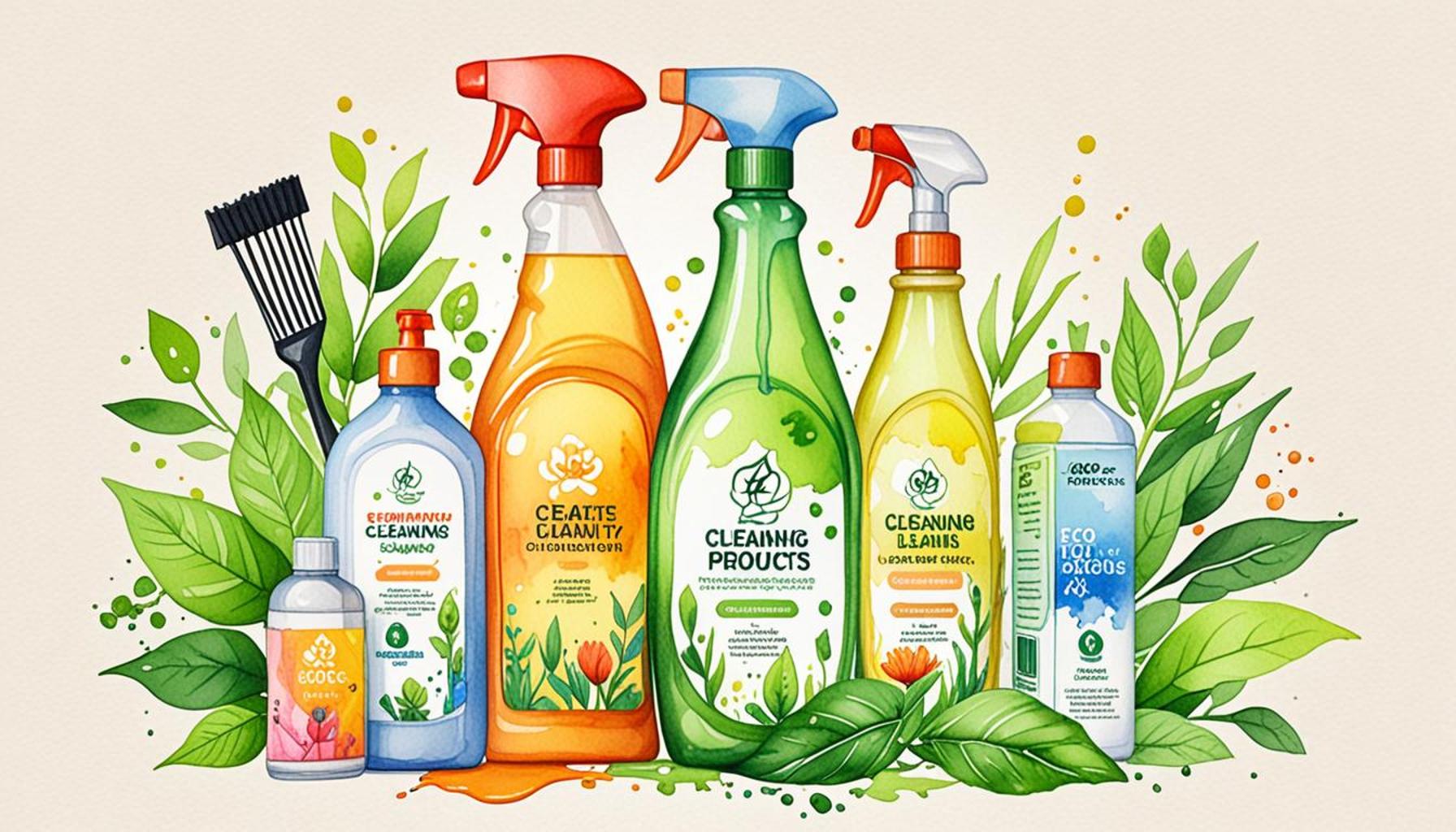
Exploring the Transformative Impact of Eco-Friendly Cleaning Products
With increasing awareness of environmental sustainability, many households are transitioning to greener alternatives, especially in the realm of cleaning products. This shift is not merely a trend; it reflects a growing commitment to protecting our planet while ensuring the health and safety of those who inhabit it.
One of the primary advantages of using eco-friendly cleaning products is their formulation based on non-toxic ingredients. Traditional cleaning supplies often contain harsh chemicals such as ammonia, bleach, and phthalates, which can pose significant health risks, particularly to children and pets. In contrast, eco-friendly products utilize plant-based ingredients that are effective yet safe. For instance, common components include vinegar, baking soda, and essential oils, which not only sanitize surfaces but also leave your home smelling fresh without the need for synthetic fragrances.
Another notable benefit lies in biodegradable packaging. Many eco-conscious brands prioritize the environment by opting for materials that can decompose or be recycled, thereby minimizing their contribution to landfills. Companies like Seventh Generation and Ecover have pioneered this approach, offering products that not only clean effectively but also demonstrate corporate responsibility through sustainable packaging initiatives.
The lower carbon footprint associated with eco-friendly cleaning products is another compelling reason to make the switch. Sustainable manufacturing processes, which often include local sourcing and reduced energy consumption, contribute to less environmental degradation. For example, brands that utilize renewable energy sources in their production facilities can significantly lessen their ecological impact, making it easier for consumers to clean their homes responsibly.
Moreover, many people overlook the impact that traditional cleaners can have on indoor air quality. Harmful chemicals commonly found in conventional cleaning products can aggravate respiratory problems and trigger allergies. A transition to eco-friendly alternatives can lead to noticeably improved air quality in your home. Research from the Environmental Protection Agency (EPA) has indicated that indoor air can be more polluted than outdoor air, and by opting for non-toxic cleaners, homeowners can create a safer living environment for their families.
This guide aims to delve deeper into the world of sustainable cleaning products, highlighting the variety available, how to identify those that are truly eco-friendly, and practical suggestions for incorporating them into your cleaning regimen. By embracing these options, you take a decisive step towards a cleaner and more sustainable home, ensuring your cleaning habits reflect your commitment to the environment.
DISCOVER MORE: Click here to learn how to create a flexible cleaning schedule
Navigating the Landscape of Eco-Friendly Cleaning Products
As you embark on your journey towards a more sustainable household, it’s essential to explore the diverse array of eco-friendly cleaning products available today. Understanding what defines these products is the first step towards making informed and responsible purchasing decisions. With market offerings ranging from all-purpose cleaners to laundry detergents, knowing how to identify genuine eco-friendly options can seem overwhelming.
1. Look for Certifications: One way to ensure a product is truly eco-friendly is to look for certifications from third-party organizations. Labels such as Green Seal or the EPA’s Safer Choice program signify that a product meets specific environmental and health standards. These certifications provide reassurance that the items you are investing in are both safe for your family and beneficial to the environment.
2. Understand Ingredients: Another vital aspect of selecting sustainable cleaning products is to scrutinize the ingredient list. Opt for products with plant-based ingredients that are free from harmful chemicals. Avoid items containing synthetic fragrances, parabens, and phthalates. Instead, look for ingredients like coconut-based surfactants, citric acid, and essential oils. Not only are these components effective against grime and germs, but they also contribute to a healthier home environment.
3. Assess Packaging: Packaging plays a significant role in sustainability. Many eco-friendly brands make an effort to use recyclable or biodegradable materials. This commitment to reducing plastic waste is a crucial element of environmentally responsible consumerism. Brands that prioritize refillable or concentrated options can also help minimize packaging waste while maximizing cleaning power.
4. Availability and Accessibility: Thankfully, eco-friendly cleaning products are becoming increasingly accessible to consumers in the United States. Major retailers are expanding their green product lines, making it easier than ever for households to switch to sustainable cleaning options. Look for dedicated eco-friendly sections in your local supermarket or explore online marketplaces that specialize in green products.
5. Homemade Solutions: If you’re looking for a cost-effective way to embrace sustainability, consider creating your own cleaning products using ingredients commonly found in your pantry. Simple combinations of vinegar, baking soda, and water can tackle a variety of cleaning tasks effectively. For instance, a mixture of vinegar and water serves as an excellent window cleaner, while baking soda can be used as a natural scouring agent. Making your own cleaners not only reduces waste but also ensures you know exactly what you are using in your home.
Before committing to any product, taking the time to research and learn more about its impact can yield significant benefits for both your household and the planet. This guide encourages you to delve deeper into the abundant options available, empowering you to make choices that resonate with your values of health, safety, and environmental sustainability.
| Category | Benefits |
|---|---|
| Natural Ingredients | Safe for the Home – Reduce exposure to harmful chemicals often found in conventional cleaners. |
| Biodegradable Packaging | Reduced Plastic Waste – Opting for products with eco-friendly packaging helps minimize your carbon footprint. |
| Cruelty-Free Testing | Ethical Choices – Supports brands that prioritize animal welfare, appealing to conscious consumers. |
| Multi-Purpose Cleaners | Cost-Effective – Fewer products needed to achieve a clean home, saving both money and storage space. |
Using eco-friendly cleaning products not only protects the environment, but also contributes positively to your health and wellbeing. As the market continues to innovate, sustainable choices become increasingly accessible for every household. With options ranging from natural ingredients to biodegradable packaging, your choices today can lead to a cleaner planet tomorrow. Explore various brands and their ethical practices to find the best products that resonate with your values. Transitioning to eco-friendly cleaning products is not just a trend; it is a lifestyle shift towards sustainability that benefits everyone. Learn more about what makes these products essential for a healthy home.
DISCOVER MORE: Click here to get tips on crafting your perfect cleaning schedule
Exploring Trends and Innovations in Eco-Friendly Cleaning
As the demand for sustainable living rises, manufacturers are responding with innovative solutions that not only clean effectively but also prioritize environmental stewardship. This evolution within the cleaning products industry reflects a broader societal shift towards reducing our ecological footprint while maintaining effective cleaning standards.
1. The Rise of Biodegradable Ingredients: One notable trend is the increasing use of biodegradable ingredients in cleaning products. Unlike traditional chemicals that can persist in the environment, biodegradable ingredients break down naturally, minimizing harm to ecosystems. Consumers can look for labels that specify biodegradability, ensuring that their choices contribute to a less polluted planet. Companies such as Seventh Generation and Ecover pioneer these formulations, and they often disclose the breakdown time for their ingredients, which reassures eco-conscious shoppers.
2. Waterless Cleaning Solutions: Another innovative category emerging in the market is waterless cleaning solutions. These products are designed to reduce water usage, which is especially crucial in areas facing water shortages. For example, concentrates that require only a small amount of water for dilution can significantly cut down on water consumption. Brands like Method are leading the way, offering concentrated formulas that deliver powerful cleaning without compromising their green credentials.
3. Zero-Waste Initiatives: Sustainability is also prompting brands to adopt zero-waste initiatives, further reducing their environmental impact. Brands like Blueland have gained popularity with their unique approach to refilling cleaning products. Customers purchase reusable containers and are then encouraged to buy refill tablets, which radically cuts down on plastic waste. This method not only helps reduce the clutter of traditional cleaning product bottles but also encourages a more conscious consumer behavior.
4. The Role of Fragrance: Consumers often overlook the fragrance of cleaning products, but it can play a crucial role in sustainability. Traditional synthetic fragrances can be harmful to both human health and the environment, leading to respiratory issues and water pollution. Eco-friendly brands are pivoting towards natural essential oils for fragrance, providing a pleasant scent without the harmful side effects. Products from companies like Mrs. Meyer’s Clean Day feature delightful, plant-derived fragrances, allowing you to enjoy a fresh-smelling home without compromising on health or safety.
5. The Impact of Consumer Choices: It’s important to recognize the power of consumer choices in driving market changes. By opting for eco-friendly cleaning products, consumers signal to manufacturers that sustainability matters. This demand can lead to increased research and development in green chemistry, pushing traditional brands to reconsider their formulations and the impact they have on the environment. Moreover, customer reviews and advocacy play a significant role in promoting transparency, inspiring companies to be more honest about their ingredients and environmental practices.
With the rapid advancements and diverse options within the realm of eco-friendly cleaning products, consumers are well-equipped to make informed choices. It’s a journey towards not just a clean home, but also a cleaner planet.
DISCOVER: Click here to simplify your cleaning routine
Conclusion: Embracing Sustainable Cleaning Solutions
In a world increasingly aware of its environmental challenges, the rise of eco-friendly cleaning products symbolizes more than just a trend; it is a fundamental shift towards sustainable living. As the options for green cleaning continue to expand—from biodegradable ingredients to innovative zero-waste initiatives—consumers are empowered to make choices that reflect their commitment to the planet.
The incorporation of natural fragrances, concentrated formulas, and reduced water usage are not merely marketing strategies but essential components of modern, responsible cleaning solutions. With brands like Seventh Generation, Ecover, and Blueland leading the charge, it is clear that sustainability in household cleaning is becoming a priority for many. As educated consumers, we hold the power to influence market practices and encourage companies to adopt transparent and eco-friendly formulations.
Moreover, the shift toward eco-friendly cleaning can have lasting impacts on our health and the health of our planet. Embracing these products not only fosters a cleaner home but also contributes to wider efforts in combating pollution and preserving natural resources. With each purchase, we signal our support for a healthier, greener future.
As we navigate the diverse landscape of sustainable cleaning options, it is crucial to continue exploring, questioning, and advocating for better practices. Let this guide serve as your launchpad in making informed and impactful choices that reflect your values while ensuring that our environment thrives for generations to come.

Linda Carter
Linda Carter is a home organization writer and cleaning efficiency specialist who helps households maintain spotless spaces with minimal effort. With extensive experience developing smart cleaning systems and preventive maintenance routines, she shares practical strategies on our platform for streamlining chores and preserving home value. Her goal is to empower homeowners with time-saving techniques and proactive care strategies to create cleaner, healthier, and more manageable living environments.