The importance of regular maintenance of cleaning tools for efficiency and durability
Understanding the Essential Care for Cleaning Tools
Regular maintenance of cleaning tools is often overlooked, yet it is crucial for both efficiency and durability. Keeping your cleaning equipment in top condition not only enhances performance but also extends its lifespan, saving you money in the long run. The consequences of neglecting these simple maintenance practices can be staggering. For instance, when vacuum cleaners are not emptied or filters overlooked, they can lose suction power, resulting in less dirt removal and an overall inefficient clean.
Consider the implications of using unkempt tools:
- Decreased cleaning efficiency: Dirt and grime buildup can hinder the tool’s effectiveness. A vacuum with a clogged filter will struggle to perform its basic function, leading to longer cleaning times and potential frustration.
- Frequent replacements: Poor maintenance leads to wear and tear, requiring premature replacements. Imagine spending hundreds of dollars on a high-quality pressure washer only to find it malfunctioning due to lack of care, resulting in unnecessary replacements.
- Compromised hygiene: Dirty tools can spread bacteria and allergens, undermining your cleaning efforts. A mop used on dirty floors without proper cleaning can harbor bacteria and mold, exacerbating allergies in sensitive individuals.
In the United States, many households and businesses depend on a variety of cleaning tools, including:
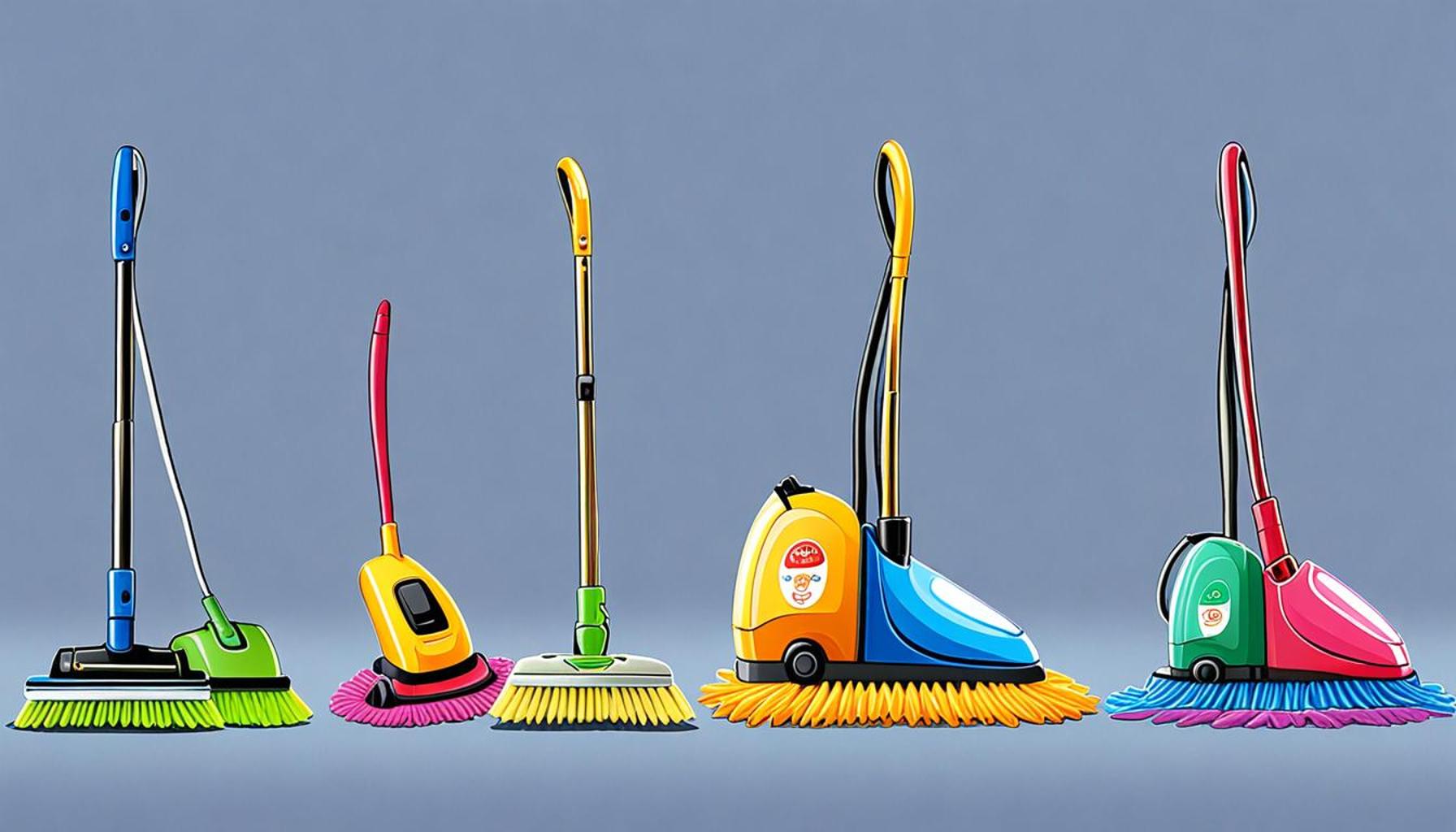
- Vacuum cleaners: An essential for every home, ensuring the carpets and hard floors are free from debris and allergens.
- Mops and brooms: Vital for maintaining hard surfaces, they require regular washing and replacement of heads to ensure efficiency.
- Pressure washers: Ideal for outdoor cleaning tasks, they need regular descaling and maintenance to avoid clogs and ensure consistent performance.
- Steam cleaners: Effective for sanitizing and deep cleaning, these should be emptied and cleaned after each use to optimize functionality.
By understanding the importance of regular maintenance, you can optimize the effectiveness of these tools. Simple practices, such as routine inspection and cleaning, contribute to better results and a healthier environment. For example, after each use, taking a moment to check for any build-up of debris, cleaning out filters, or storing tools in a dry place can make a significant difference in the longevity and performance of your cleaning arsenal.
Incorporating these practices not only enhances your cleaning efficiency but also fosters a safer living or working environment. As you invest time in maintaining your tools, consider the profound effect this will have on your daily routines – cleaner spaces, deeper satisfaction, and less money spent on replacements. Take the step today; your cleaning tools will serve you better and longer, giving you the peace of mind that arises from knowing you are using your resources wisely.

DON’T MISS: Click here for quick cleaning hacks!
Maximizing Performance Through Consistent Tool Care
Cleaning tools are fundamental components of maintaining a healthy and welcoming environment, whether at home or in a professional setting. However, to ensure that these tools operate effectively, regular maintenance is of utmost importance. This means not only keeping each tool clean but also checking and replacing worn parts when necessary. The difference between well-maintained equipment and poorly cared-for tools can be drastic, impacting both productivity and overall results.
One prime example is the vacuum cleaner. It is not just a device for picking up dirt; it is an essential tool for improving indoor air quality. When filters are not replaced or cleaned regularly, and the dust container is allowed to overflow, the vacuum’s ability to capture dirt diminishes significantly. Studies show that a vacuum cleaner can lose up to 40% of its suction power when filters are dirty — a staggering statistic that highlights the importance of maintenance. To ensure your vacuum cleaner works at peak efficiency, a simple regimen of checking filters and emptying bags or canisters can dramatically improve your cleaning results.
Similarly, consider the lowly mop. Often underestimated, a mop is a conduit for cleanliness. But did you know that a mop head can host thousands of bacteria if not washed and replaced regularly? In fact, research indicates that a dirty mop can spread as much as 1 million bacteria per square inch. Maintaining a regular cleaning schedule for your mops and brooms not only enhances hygiene but also ensures effective dirt and stain removal.
Moreover, tools like pressure washers and steam cleaners require periodic maintenance to operate efficiently. Pressure washers can suffer clogs or decreased water pressure without appropriate care, which can lead to subpar cleaning experiences. Steam cleaners benefit from regular descaling to eliminate mineral buildup that can hinder performance. Here’s a brief list of maintenance tips specific to these tools:
- Pressure Washers: Ensure hoses and nozzles are free from clogs. Regularly check oil levels and replace worn O-rings.
- Steam Cleaners: Clean the water tank and descale after every few uses to maintain optimal steam output.
- Mops: Wash and replace mop heads every few months to minimize bacterial growth.
- Vacuum Cleaners: Clean filters, belts, and brush rolls at least once a month.
Ignoring these simple yet effective maintenance practices can lead to costly repairs and replacements down the line. Equally worrying is the potential health risk posed by using poorly maintained cleaning tools. As we champion the importance of sanitation, we must also advocate for the care and upkeep of those instruments designed to keep our spaces clean.
In conclusion, the efficiency and durability of cleaning tools are directly correlated to the level of care and maintenance they receive. Investing a little time and effort into regular upkeep can yield profound benefits, transforming how we approach our cleaning tasks while safeguarding our health and environment. By making maintenance a priority, you are not just protecting your investment; you are fostering a cleaner, healthier world.
| Advantages | Details |
|---|---|
| Extended Lifespan | Consistent cleaning and maintenance significantly prolongs the lifespan of cleaning tools, saving costs on replacements. |
| Enhanced Performance | Regular maintenance ensures that tools operate at maximum efficiency, improving cleaning results and minimizing time spent. |
| Improved Hygiene | Well-maintained tools reduce the risk of spreading dirt and germs, leading to a healthier environment. |
| Cost Efficiency | Investing time and resources in the upkeep of cleaning tools translates into lower overall maintenance expenses. |
Regular maintenance of cleaning tools for efficiency and durability is not just beneficial but essential. When cleaning tools are properly maintained, they not only perform better but also last longer—an important consideration in both personal and professional cleaning contexts. Investing time in the upkeep of your tools ensures optimal performance. Moreover, improving hygiene is a crucial aspect of cleaning; ineffective tools can harbor bacteria and grime, ultimately affecting the cleanliness of spaces. Regular maintenance results in cost savings in the long run, as replacing worn-out tools can significantly impact budgets. Thus, emphasizing these maintenance strategies leads to more effective cleaning processes and enhances overall productivity. Keeping tools in top condition supports a culture of cleanliness that is paramount in health-conscious environments.
DON’T MISS: Click here for essential tips on maintaining your space
The Role of Preventative Maintenance in Tool Longevity
Regular maintenance of cleaning tools does not merely enhance their efficiency; it significantly extends their lifespan, ensuring that users get the most value out of their investments. In an era where sustainability and environmental responsibility are paramount, properly maintaining cleaning tools can contribute to reducing waste and promoting a healthier planet.
Consider the dishwasher, a staple appliance in many American households. While it is easy to rely on its automatic cleaning capabilities, neglecting its maintenance can lead to undesirable outcomes such as foul odors, poor cleaning performance, and even costly breakdowns. For instance, the accumulation of food particles and grease can clog filters and spray arms. A simple monthly check to unclog these components can ensure optimal performance and avoid the potential for replacing the appliance prematurely. Reports indicate that regular maintenance can help dishwashers last up to ten years longer than those that are neglected.
Another important subset of cleaning tools is hand tools, such as brooms, brushes, and scrubbers. While these tools may not have moving parts, their effectiveness can diminish if they are not cared for properly. A broom with bent bristles, for example, cannot sweep effectively, making it a futile tool in your cleaning arsenal. Regularly inspecting and cleaning these tools not only prolongs their life but also reduces the amount of energy needed for cleaning tasks. According to data from the Environmental Protection Agency, maintaining cleaning tools helps reduce the average energy consumption required for various chores throughout the home.
Let’s delve deeper into a category that is often overlooked in tool maintenance discussions: eco-friendly cleaning solutions. These cleaning agents can work wonders while helping to protect and maintain your cleaning tools. Using natural cleaners minimizes the buildup of harsh chemicals that can degrade surfaces and harm the essential components of your equipment. For instance, vinegar and baking soda can effectively clean mops and brushes without causing damage, ensuring that they continue to work effectively without the risk associated with commercial cleaning agents.
Furthermore, keeping an organized cleaning supply area contributes to maintenance efficiency. A dedicated space for cleaning tools that is free from clutter not only allows for easy access but also fosters a habit of inspecting tools regularly. By including a maintenance checklist in your supply area, you can create a routine that includes checking tool performance, replenishing cleaning supplies, and repairing or replacing any damaged items. This simple practice can shine a light on potential issues before they escalate into more significant problems.
Research indicates that tools that are not cleaned regularly can harbor mold, bacteria, and allergens, posing potential health risks to users. For example, sponges and cloths can become a breeding ground for germs if not washed frequently. In fact, studies have shown that home cleaning sponges can contain over 10 million bacteria per square inch. Regular maintenance not only ensures cleaner living spaces but also safeguards health by reducing exposure to harmful contaminants.
Maintaining cleaning tools is essential for creating a cleaner, healthier environment. The commitment to proper care routines can lead to substantial benefits — be it through improved efficiency, enhanced durability, or better health outcomes. As you navigate your cleaning endeavors, remember that consistent maintenance pays dividends long-term, reinforcing the value of these indispensable tools.
DON’T MISS: Click here for essential maintenance tips
Conclusion: A Commitment to Cleanliness and Care
In summary, the importance of regular maintenance of cleaning tools for efficiency and durability cannot be overstated. By dedicating time and attention to the upkeep of these essential apparatuses, households and businesses alike can ensure higher performance levels and longer lifespans for their tools. Whether it’s the dishwasher that meticulously cleans your dishes or the humble broom that sweeps away dirt, proactive care transforms these items into reliable allies in the quest for cleanliness.
Consider the substantial benefits that come with this commitment: not only do well-maintained tools enhance the overall efficacy of your cleaning regimen, but they also play a crucial role in creating a healthier living environment by minimizing harmful bacteria and allergens. With statistics suggesting that regular equipment care can yield a lifespan increase of up to ten years for major appliances, the case for proactive maintenance becomes even more pressing.
Investors in eco-friendly cleaning solutions and organized cleaning spaces further underline the synergy between cleaning tool maintenance and environmental responsibility. Using natural cleaners not only protects your tools but promotes sustainability, aligning with our growing commitment to a healthier planet.
Concluding, effective cleaning tool maintenance is a journey that pays long-term dividends. By embracing this practice, individuals can discover not only the charm of a clean space but also the joy of knowing that their tools are efficient, durable, and environmentally sound. This holistic approach to cleanliness is not merely about aesthetics but represents fundamental well-being for all users.

Linda Carter
Linda Carter is a home organization writer and cleaning efficiency specialist who helps households maintain spotless spaces with minimal effort. With extensive experience developing smart cleaning systems and preventive maintenance routines, she shares practical strategies on our platform for streamlining chores and preserving home value. Her goal is to empower homeowners with time-saving techniques and proactive care strategies to create cleaner, healthier, and more manageable living environments.