
Comparative of manual versus electric cleaning tools: which is the best option for your home?
Understanding Cleaning Tool Options
When assessing cleaning tools, it becomes essential to weigh the effectiveness, cost, and convenience they offer. In a world that thrives on efficiency, the decision between manual and electric cleaning methods is pivotal. Each category provides unique solutions tailored to distinct cleaning needs, paving the way for a cleaner home.
The Scope of Manual Tools
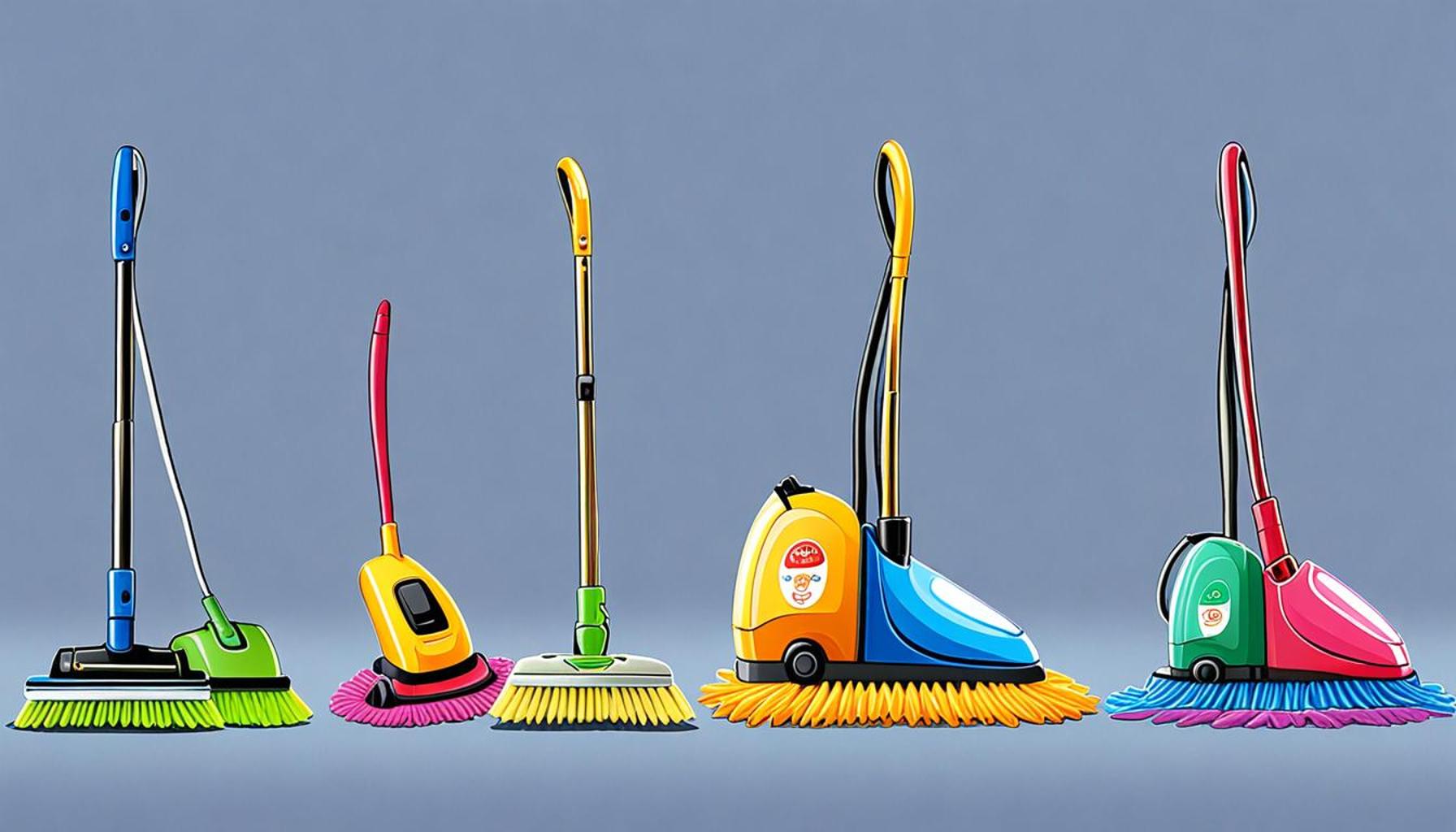
Manual cleaning tools have stood the test of time. Classic items like brooms, mops, and dustpans are staples in many homes. Brooms are ideal for quickly sweeping up crumbs and debris, while mops can tackle spills and stains on hard surfaces effectively. An example of a manual mop is the traditional string mop, which excels at absorbing liquids but may require frequent rinsing and wringing.
One of the significant benefits of manual tools is their affordability. They typically require a minimal upfront investment and low maintenance costs. For instance, a quality broom can be acquired for less than $20, providing a cost-effective solution for keeping floors tidy. Moreover, manual tools have a lower ecological footprint compared to their electric counterparts, making them an environmentally friendly choice.
Diving into Electric Tools
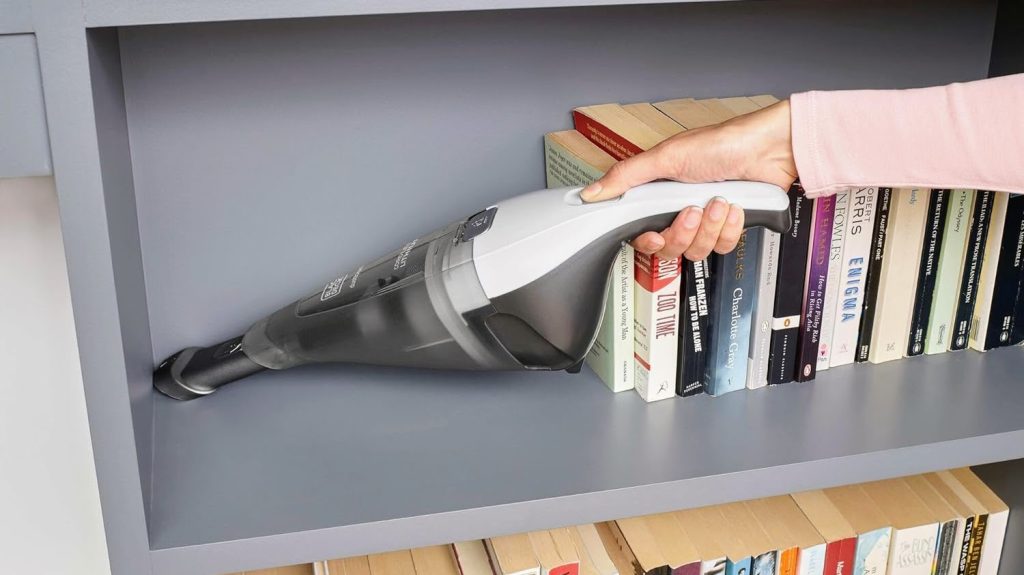
Conversely, electric cleaning tools such as vacuum cleaners, steam mops, and robotic cleaners present a modern alternative, often equipped with advanced technology that promises higher efficiency. For example, vacuum cleaners come in various forms—upright, canister, and handheld—catering to diverse cleaning needs, from quick cleanups to deep cleaning carpets. A good vacuum cleaner may cost between $100 and $400, depending on its features and capabilities.
Furthermore, steam mops offer the perk of sanitization, using heat to eliminate bacteria without the need for chemical cleaners. Robotic vacuums, such as those from Roomba or Eufy, automate the cleaning process, enabling users to enjoy their free time as the device navigates through the home. Although these conveniences come with a higher price tag and potential maintenance costs, they can save considerable time in busy households.
Factors to Consider in Your Decision
As homeowners weigh the advantages of manual versus electric tools, key factors come into play:
- Effectiveness: Consider how well each option tackles dirt and grime—not every surface requires the same approach.
- Cost: Look beyond initial investments to ongoing maintenance, especially with electric tools that may require replacement parts or energy consumption.
- Convenience: Assess tools based on how they fit into your lifestyle. Busy families might benefit from the time-saving nature of electric options, while minimalists may prefer the simplicity of manual tools.
Ultimately, understanding these factors can lead to a more informed choice that enhances your cleaning experience and fits your specific needs. As you navigate the diverse landscape of cleaning tools, remember that effectively maintaining a clean home is less about the method and more about finding what works best for your lifestyle.
DIVE DEEPER: Click here to discover more
Manual Tools: Traditions and Benefits
Manual cleaning tools have been a fundamental part of household maintenance for generations, often seen as reliable and time-tested solutions. Items such as brooms, mops, and sponges serve as quintessential cleaning allies in the fight against dirt and grime. For instance, a classic straw broom can sweep away larger debris quickly, while a traditional cotton mop effectively captures spills on hard floors, emphasizing its practicality.
One of the key advantages to using manual tools is their affordability. Generally, these items are accessible to all budgets, providing an economical way to maintain a clean home. A decent broom can be purchased for less than $20, demonstrating that effective cleaning doesn’t have to break the bank. Additionally, manual tools typically carry lower operational costs, as they do not require electricity or annual maintenance. This makes them an attractive option for those who want to minimize expenses.
Moreover, manual cleaning tools boast a smaller environmental footprint in comparison to electric counterparts. Without the need for batteries or electricity, choices such as reusable mops and natural fiber brooms allow for eco-friendly cleaning while avoiding reliance on disposable products. The reduced energy consumption and waste contribute to sustainability—a rising priority among many consumers today.
Electric Tools: The New Age of Cleaning
In contrast, electric cleaning tools offer quick and efficient solutions that align with modern lifestyles. Devices like vacuum cleaners, power mops, and robotic vacuums are designed to handle significantly larger cleaning tasks in less time. For example, an upright vacuum can tackle dirt embedded deep within carpets, reaching areas that manual methods may overlook. The advanced technology incorporated into these tools often leads to improved cleaning performance.
The effectiveness of electric tools extends to their ability to adapt to various surfaces. Many vacuum cleaners now feature specialized attachments for hardwood floors, upholstery, and pet hair, providing a comprehensive cleaning solution in one device. Typically ranging from $100 to $400 depending on their specifications, these devices can be seen as a worthy investment for homeowners looking for versatility.
Furthermore, the convenience offered by electric tools cannot be understated. Steam mops combine sanitization with effortless operation, as they eliminate the need for harsh chemical cleaners while deeply cleaning surfaces with high-temperature steam. More impressively, robotic vacuums can autonomously navigate a home’s layout, providing scheduled cleanings while allowing homeowners to focus on other tasks. This level of automation introduces a time-saving advantage that can greatly benefit busy families or individuals.
Analyzing Your Home’s Cleaning Needs
As you consider the spectrum of manual versus electric cleaning tools, several influential factors shape your decision:
- Cleaning Requirement: Understand the level of cleanliness your home demands. High-traffic areas may benefit more from electric tools that deliver deep cleaning.
- Budget Constraints: Analyze your budget for both initial purchases and long-term maintenance costs. Manual tools often have lower lifetime costs compared to electric tools that require charging or potential repairs.
- User Experience: Reflect on how much time you wish to invest in cleaning. If your lifestyle requires faster methods, electric options are likely more suited to your needs.
By thoroughly examining these factors, you can make an informed choice that aligns with your home’s cleaning requirements. Whether you lean toward the tried-and-true manual tools or the innovative electric solutions, what matters most is finding the combination that enhances your cleaning routine effectively.
Comparative of Manual Versus Electric Cleaning Tools: Which is the Best Option for Your Home?
When considering cleaning tools for your home, it’s essential to weigh the advantages of manual and electric options. Each type presents unique benefits tailored to different cleaning needs and preferences.
| Category | Advantages |
|---|---|
| Manual Cleaning Tools | More control and precision during cleaning; often lighter and easier to store. |
| Electric Cleaning Tools | Time-saving technology; provides deeper cleaning capabilities with less effort. |
Manual cleaning tools allow users to maintain a hands-on approach, promoting a more thorough understanding of specific cleaning needs in each area of the home. Conversely, electric cleaning tools frequently incorporate innovative designs that offer tailored solutions, making them suitable for various surfaces and types of dirt, leading to a more efficient clean.
Additional factors such as cost-effectiveness, power consumption, and overall maintenance should also be examined. While manual cleaning tools often come with a lower initial investment, the potential long-term savings of electric tools, in terms of time and effort, can be particularly appealing.
Both manual and electric cleaning options are available in an array of forms, including vacuums, brooms, mops, and scrubbers. Exploring the variety of features each tool offers can further enhance your home’s cleaning routine, allowing you to make a well-informed decision based on your lifestyle and cleaning priorities.
DISCOVER MORE: Click here for effective cleaning strategies
Evaluating Usability and Maintenance
When comparing manual and electric cleaning tools, usability plays a crucial role in determining the right choice for your home. While manual tools are often appreciated for their simplicity and straightforward operation, electric tools introduce a layer of complexity that comes with advanced features and capabilities. For instance, manual brooms require basic sweeping techniques and a modest level of physical effort, while vacuums may offer various settings and attachments that can enhance or complicate user experience.
Additionally, maintenance requirements vary significantly between these two categories. Manual tools typically require minimal upkeep; a broom simply needs occasional cleaning to remove dust and debris. On the other hand, electric tools necessitate regular maintenance checks, such as filter replacements in vacuum cleaners or battery care for cordless models. While this may seem daunting, many modern electric tools feature convenient maintenance reminders or self-cleaning systems that significantly cut down on user effort.
Noise Levels and Health Considerations
One often-overlooked aspect of cleaning tools is the noise level they produce during operation. Manual tools tend to be quieter; the swish of a mop or the tapping of a broom can be less disruptive in a household. Electric vacuums, however, can emit significant noise, particularly high-powered models designed to provide deep cleaning. For those sensitive to sound or with young children and pets at home, the choice of quieter, manual tools might be more appealing.
Furthermore, health considerations come into play when evaluating cleaning tools. For instance, while electric equipment can be effective in allergen removal from carpets, they may also stir up dust particles as they operate. Research indicates that manual cleaning, done correctly, can help minimize air quality issues as it often involves less draught. Understanding how different tools impact air quality and overall health becomes vital, particularly for households with allergy sufferers.
Long-term Value and Technological Innovations
Looking at the long-term value, electric cleaning tools often promise superior durability and efficacy due to innovations in cleaning technology. With advancements like HEPA filters that trap fine particles and consistent suction power, electric tools can deliver prolonged performance over time. Yet, this potential comes with a higher initial investment, leading homeowners to weigh the upfront versus long-term costs.
Moreover, the market is continually evolving, with new features introduced regularly. For example, smart vacuums equipped with mapping technology can learn your home’s cleaning patterns and optimize their schedules. These advanced functionalities can save time and effort, making them more attractive options, particularly for tech-savvy users. As such, recognizing opportunities for future-proofing your cleaning strategy and how these innovations can simplify household chores is an essential aspect to consider.
Cultural and Lifestyle Influences
Lastly, cultural and lifestyle factors significantly influence the choice between manual and electric cleaning tools. For some, the ritualistic aspect of using manual tools is not merely about cleaning but also signifies a connection to tradition and simplicity. In contrast, the convenience of electric tools aligns better with modern, fast-paced lifestyles where time is often in short supply.
As you evaluate your home’s needs in light of these varying factors, the balance between efficiency, cost, usability, and personal values will guide you to the best solution. Whether you prefer the charm of manual tools or the capabilities of electric options, understanding their unique strengths will empower you to maintain a clean, comfortable living space effectively.
DISCOVER MORE: Click here to learn how to extend your appliances’ lifespan</p
Conclusion: Finding Your Perfect Cleaning Companion
In the quest to determine the best cleaning solution for your home, both manual and electric cleaning tools offer distinct advantages tailored to different lifestyles and preferences. As we’ve explored, usability can significantly influence your decision; while manual tools are often simpler and quieter, electric tools bring powerful functionality and advanced technologies that can revolutionize your cleaning routine. Likewise, maintenance plays a pivotal role—manual tools demand minimal upkeep, whereas electric options require more care and attention but can offer unparalleled cleaning efficiency over time.
Another vital aspect to consider is health and environmental impact. Manual cleaning methods may provide a gentler approach to air quality, which is particularly important for allergy sufferers, while electric tools promise effective allergen removal despite their tendency to stir up dust. As we look to the future, the ongoing advancements in cleaning technology are redefining our expectations, with smart vacuums and automated features that cater to a fast-paced lifestyle.
Ultimately, the decision between manual and electric cleaning tools hinges on your individual circumstances, including your available time, health considerations, and personal cleaning philosophy. We encourage you to weigh these factors carefully, as the best option for your home should align with both your cleaning needs and your lifestyle. By comprehensively assessing the strengths and weaknesses of each type, you will be well-equipped to select the cleaning tools that not only maintain a spotless home but also resonate with your values and preferences.

Linda Carter
Linda Carter is a home organization writer and cleaning efficiency specialist who helps households maintain spotless spaces with minimal effort. With extensive experience developing smart cleaning systems and preventive maintenance routines, she shares practical strategies on our platform for streamlining chores and preserving home value. Her goal is to empower homeowners with time-saving techniques and proactive care strategies to create cleaner, healthier, and more manageable living environments.