
Ergonomic Cleaning Tools: Reducing Strain and Improving Comfort During House Maintenance

The Importance of Ergonomics in House Maintenance
House maintenance can often feel like an uphill battle, leading to fatigue and discomfort. As individuals tackle cleaning tasks, the physical strain can diminish the joy of maintaining a comfortable environment. However, the incorporation of ergonomic cleaning tools can alleviate many of these challenges, transforming a tedious chore into a manageable activity.
Design That Aligns with Your Body
One pivotal aspect of ergonomic tools is their design. Tools that mirror the natural curvature of the hand, such as grip-friendly brooms and mops, can significantly reduce unnecessary wrist strain. For instance, many modern brooms feature angled heads that allow users to clean without contorting their wrists at awkward angles. This thoughtful design helps maintain proper hand positioning, promoting comfort during extended use.
Weight Matters
Another consideration lies in the weight of cleaning tools. Heavy equipment can lead to joint stress, particularly during tasks like vacuuming or scrubbing floors. Lightweight alternatives made from materials like aluminum or high-density plastic enable users to maneuver their tools with ease, preventing fatigue. For example, a cordless vacuum cleaner that weighs less than 5 pounds can make a world of difference, allowing users to clean multiple rooms without the burden of added weight.
Personalized Comfort with Adjustability
Adjustability is a game-changer when it comes to ergonomic cleaning tools. Many cleaning devices now come with adjustable handles that can cater to various heights and physical abilities. For instance, a mop with a telescoping handle allows individuals to extend or shorten it according to their needs, helping to reduce back strain from bending. This remarkable feature promotes not only user comfort but also effectiveness in reaching all necessary areas without compromising body posture.
Combatting Common Issues
By investing in ergonomic tools, users can combat prevalent issues that arise during house cleaning. These tools can prevent:
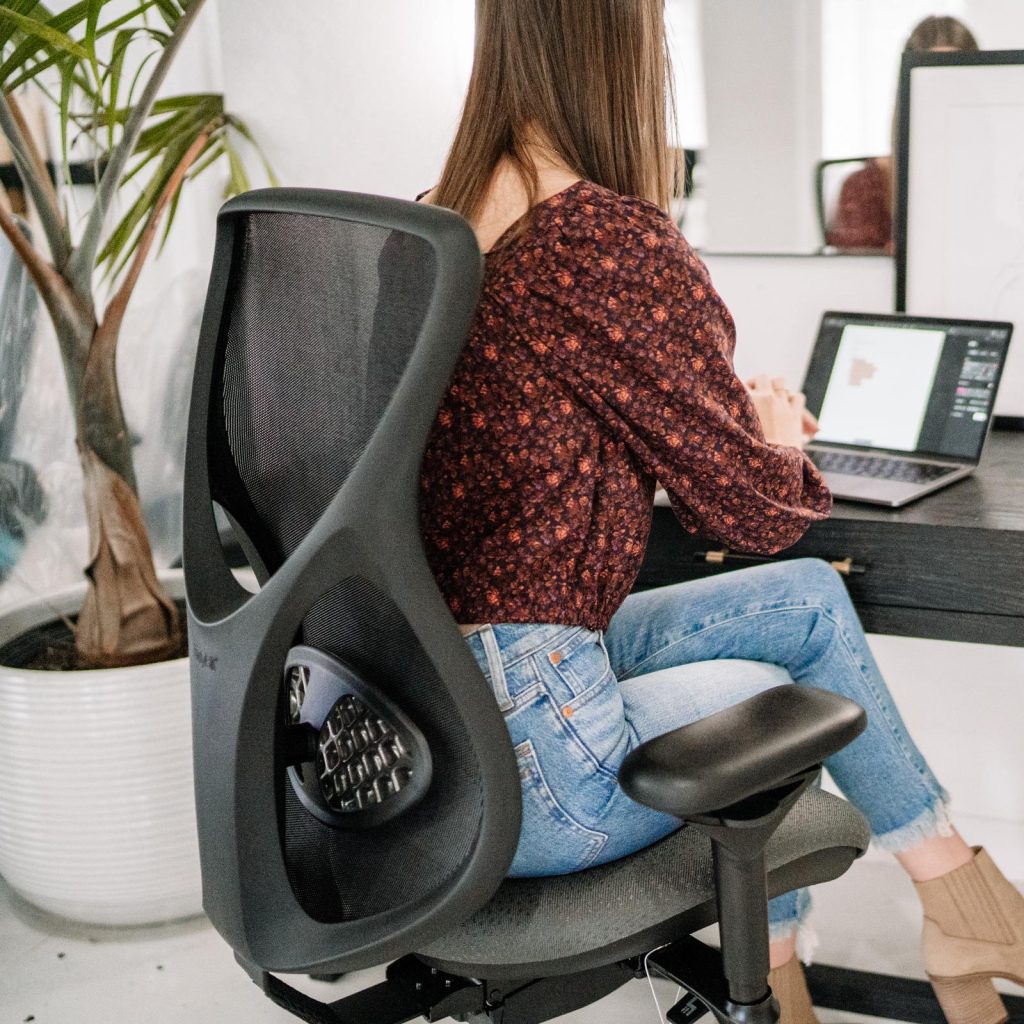
- Back pain that often occurs from repetitive bending and stretching.
- Wrist discomfort caused by gripping traditional tools for extended periods.
- Fatigue resulting from the use of cumbersome cleaning devices that require excessive physical effort.
The advantages of using ergonomic cleaning tools extend beyond simple comfort. They can vastly improve cleaning efficiency, making it easier to maintain a tidy home without the physical toll typically associated with such tasks. As more households across the United States recognize the impact of ergonomic solutions, the narrative of house maintenance is changing for the better.
Whether you’re a busy professional, a stay-at-home parent, or an individual who enjoys DIY projects, investing in tools designed with your well-being in mind can lead to a more enjoyable and less stressful cleaning experience. As you explore the range of ergonomic tools available, you will find that the quality of your cleaning sessions can vastly improve, sparking a newfound enthusiasm for home maintenance.
DIVE DEEPER: Click here for sustainable cleaning tips
Revolutionizing Your Cleaning Routine with Ergonomic Innovations
The shift towards ergonomic cleaning tools is not just a trend; it’s a necessary advancement in our approach to house maintenance. These innovations are designed to enhance user experience by focusing on the principles of comfort, efficiency, and safety. As more people explore these tools, it’s essential to understand how they can effectively reduce strain and improve overall cleaning comfort.
The Role of Handle Design
One of the most prominent features of ergonomic cleaning tools is their handle design. Traditionally, many cleaning instruments have straight handles that can cause discomfort during extended use. Ergonomic handles, on the other hand, are often shaped to fit the contours of the hand. For instance, the introduction of padded, textured grips on mops and brushes allows for a more secure hold, thus reducing the force required to use them. This reduction in grip strength translates directly to a less tiring cleaning experience, allowing individuals to clean for longer without fatigue.
Task-Specific Equipment
An important evolution in the realm of ergonomic cleaning tools is the development of task-specific equipment. Tools such as ergonomic vacuum cleaners often come equipped with specialized attachments that reduce the need for awkward movements. For example, vacuums with adjustable heads can easily maneuver under furniture or along baseboards without requiring the user to bend down excessively or twist awkwardly. This design caters to the full range of motion required during cleaning and minimizes body strain.
Reducing Physical Impact
The physical impact of cleaning cannot be underestimated. Repeated movements like sweeping, scrubbing, and lifting can lead to chronic discomfort. Ergonomic cleaning tools help to reduce this impact in several ways:
- Shock absorption: Some vacuum cleaners and floor scrubbers now include suspension systems that absorb impact, significantly reducing stress on joints.
- Rollers and gliders: Tools designed with rollers or gliders allow for smoother movements across various surfaces, requiring less effort and energy.
- Vibration dampening: Devices that minimize vibration help ensure that prolonged use doesn’t lead to hand fatigue or strain injuries.
As these ergonomic features become more normalized within cleaning tools, users are beginning to notice tangible benefits not just in comfort but also in productivity. An enhanced cleaning experience means the chores feel less like a chore and more like an attainable goal.
Ultimately, the embrace of ergonomic tools in house maintenance is yielding a double benefit: reducing physical strain and encouraging a deeper engagement with home care tasks. With the wealth of options available, it is becoming easier for individuals to find solutions tailored to their unique needs. Investing in these tools can pave the way for a healthier, more enjoyable cleaning routine.
| Advantages | Detailed Benefits |
|---|---|
| Improved Posture | Ergonomic cleaning tools promote better body alignment, reducing the risk of back pain and discomfort. |
| Reduced Muscle Strain | These tools minimize the effort required for cleaning tasks, which lowers the likelihood of muscle fatigue and injuries. |
| Ease of Use | Designed for maximum convenience, ergonomic tools often feature lightweight materials and comfortable grips that make cleaning quicker and less taxing. |
| Increased Efficiency | With ergonomic designs, users can accomplish tasks more effectively, resulting in less time spent cleaning and more time for relaxation. |
Investing in ergonomic cleaning tools significantly enhances the overall experience of house maintenance. By prioritizing comfort and efficiency, individuals can lower the risk of injuries associated with strenuous cleaning tasks. Furthermore, realizing that house upkeep does not have to equate to discomfort paves the way for maintaining a cleaner and healthier living environment. The innovation behind these ergonomic designs not only makes cleaning easier but also promotes a more enjoyable experience. As home maintenance evolves, these tools represent a critical step toward revolutionizing the way we view and approach the chores that keep our homes sparkling and neat. Whether it is through improved posture, reduced muscle strain, or overall increased efficiency, ergonomic cleaning tools provide a treasure trove of benefits that beckon exploration and adoption.
DISCOVER MORE: Click here to learn how to create a daily cleaning schedule that works for you
Enhancing Efficiency through Smart Technology
The age of smart technology has reached the realm of household cleaning, and ergonomic cleaning tools are at the forefront of this innovation. These smart devices are engineered not only for comfort but also to streamline the cleaning process, saving both time and physical effort. By integrating technology, manufacturers have begun to offer solutions that enhance the functionality of ergonomic tools.
Smart Vacuums: The Future of Hands-Free Cleaning
Imagine a vacuum cleaner that navigates around your home while you relax on the couch. Smart vacuums are designed with advanced sensors that allow them to map out your living space, avoiding obstacles and cleaning effectively without any manual intervention. Many of these devices also feature integrated ergonomic aspects, such as lightweight designs and remote scheduling options, reducing the physical strain associated with traditional vacuuming. With a simple command from your smartphone, you can ensure that your rooms are clean without lifting a finger, minimizing wear and tear on your body.
Ergonomic Attachments for Traditional Tools
For those who prefer the familiarity of conventional cleaning tools, there are ergonomic attachments that can transform traditional mops and brooms. Extendable handles allow users to adjust the length of their cleaning tools according to their height or the job at hand. This adaptability can alleviate back strain by eliminating the need to bend or stretch excessively. Additionally, tools featuring adjustable angles enable users to clean hard-to-reach spaces without straining their wrists or shoulders.
Using Sustainable Materials for Comfort
In an age where eco-friendliness is paramount, many ergonomic cleaning tools are now constructed with sustainable materials. Biodegradable plastics and natural fibers are becoming standard choices, not only for their environmental impact but also for their comfort and effectiveness. For instance, bamboo handles are becoming popular due to their strength, lightweight nature, and comfortable grip, making them easier to use for extended periods. Choosing sustainable ergonomic tools benefits not only the environment but also enhances the user experience by reducing discomfort associated with heavier, less efficient materials.
Community Insights: Real Users Weigh In
Surveys and user reviews indicate that individuals who transition to ergonomic cleaning tools report significantly higher satisfaction levels. According to a study conducted by the Home Maintenance Forum, 78% of participants noted a marked decrease in physical discomfort after switching to ergonomic options. Furthermore, users frequently express how these tools have revolutionized their cleaning routines, turning a once-dreaded task into a more enjoyable and less labor-intensive experience.
The Financial Perspective
Investing in ergonomic cleaning tools can also be viewed through a financial lens. While upfront costs may be higher than traditional options, the longevity and efficiency of these products often translate to long-term savings. For example, ergonomic vacuum cleaners that reduce cleaning time can lead to less frequent purchases of cleaning supplies. Additionally, less physical strain can lead to fewer medical expenses related to cleaning injuries, making the investment not just a choice for comfort, but one for financial health as well.
As the market for ergonomic cleaning tools continues to expand, users have the opportunity to explore a range of innovative solutions tailored to specific needs. Whether it’s the integration of smart technology, sustainable materials, or user-focused designs, the modern cleaning toolkit is evolving. This evolution demonstrates a commitment to reducing strain and improving comfort in house maintenance, appealing to a more conscientious and health-oriented consumer base.
LEARN MORE: Click here to discover how to optimize your space
Conclusion
In conclusion, ergonomic cleaning tools represent a significant advancement in house maintenance, effectively addressing the physical challenges often associated with cleaning tasks. By emphasizing comfort and usability, these tools not only enhance the efficiency of cleaning but also contribute to the overall well-being of users. From innovative smart vacuums that do the hard work for you to adjustable attachments that cater to individual needs, the variety available today is designed to support a range of preferences and physical limitations.
Moreover, the incorporation of sustainable materials echoes a broader commitment to environmental responsibility, suggesting that comfort and eco-friendliness can go hand in hand. As user testimonials highlight satisfaction and decreased discomfort, it becomes evident that investing in ergonomic tools isn’t merely a choice about lifestyle; it is a proactive measure towards healthier living.
Financially, despite initial investments that may appear daunting, the long-term benefits—ranging from decreased cleaning times to fewer health-related expenses—make ergonomic cleaning tools a wise choice. As manufacturers continue to innovate, consumers are encouraged to seek out these ergonomic options to transform their cleaning routines and minimize physical strain.
Thus, embracing ergonomic cleaning tools is not just about enhancing comfort; it is about redefining the way we approach house maintenance in a way that prioritizes health and efficiency. The future looks bright for this growing market, urging everyone to explore the solutions available and discover how they can make house cleaning a less daunting and more enjoyable experience.

Linda Carter
Linda Carter is a home organization writer and cleaning efficiency specialist who helps households maintain spotless spaces with minimal effort. With extensive experience developing smart cleaning systems and preventive maintenance routines, she shares practical strategies on our platform for streamlining chores and preserving home value. Her goal is to empower homeowners with time-saving techniques and proactive care strategies to create cleaner, healthier, and more manageable living environments.