
Designing a Customized Cleaning Routine for Small Spaces: Maximizing Efficiency in Limited Areas
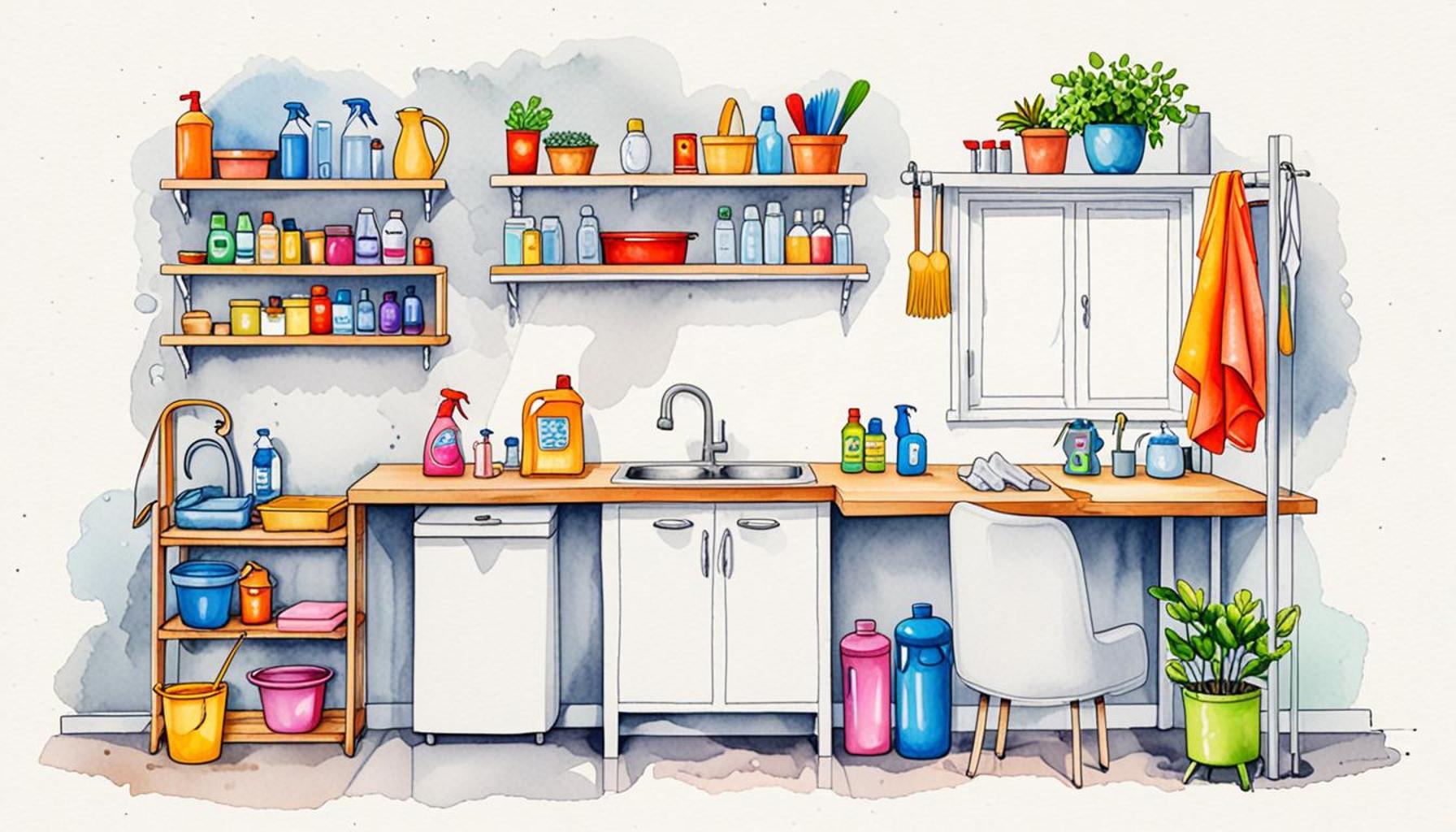
Maximizing Cleaning Efficiency in Small Spaces
Living in small spaces, such as apartments or tiny homes, offers unique benefits but also comes with distinct challenges—especially when it comes to keeping everything clean. The key to maintaining an organized environment lies in designing a customized cleaning routine that works for your specific area.
What makes a cleaning routine effective in smaller areas? Here are some essential factors to consider:
- Frequency: How often tasks need to be completed plays an instrumental role in the cleanliness of your space. For instance, high-traffic areas such as the kitchen and bathroom may require daily attention, while less-used areas can be cleaned weekly. Adopting a cleaning schedule that aligns with your lifestyle can prevent dirt and clutter from building up.
- Tools: Choosing the right cleaning supplies for compact spaces is essential for maximizing efficiency. Consider using multi-purpose cleaners that can serve various surfaces, saving both time and storage. Additionally, smaller tools, like handheld vacuums and microfiber cloths, can maneuver easily in tight corners and ensure every inch of your space is spotless.
- Storage: Utilizing vertical space to minimize clutter is a game changer. Invest in shelving units or wall-mounted organizers that can house your seldom-used items. Not only does this strategy free up floor space, but it also keeps your essentials accessible and neatly stored away.
Moreover, factors such as your personal lifestyle and cleaning preferences play a pivotal role in shaping your routine. Would you prefer to spend a little time daily or dedicate larger blocks for weekly cleans? Knowing your cleaning style is fundamental; for example, someone who enjoys tidying up while cooking might prefer short daily sessions, while another might set aside hours on the weekend for an intensive clean.
To delve deeper into optimizing your cleaning schedule, consider the “15-Minute Clean” philosophy. This approach urges individuals to dedicate just 15 minutes to tackle small chores daily. This can include decluttering surfaces, sweeping the floor, or quickly wiping down counters. Over time, these small efforts accumulate into a more significant impact on your living environment.
This guide explores tried-and-true strategies alongside innovative tips to help you thrive in your limited space. Adopting these techniques will not only improve your cleanliness but also foster a sense of comfort and well-being. By investing time in creating a tailored approach, you can transform your small haven into a well-organized oasis, making the most of every square foot while enjoying the simplicity that minimal living brings.
DIVE DEEPER: Click here to discover green cleaning hacks!
Crafting Your Cleaning Blueprint
Establishing a customized cleaning routine for small spaces requires thoughtful consideration of your daily habits and environmental setup. When creating your cleaning regimen, it’s essential to start by assessing the specific needs of your area. Identify which zones require the most frequent attention and determine an appropriate schedule to suit your lifestyle.
To build an effective cleaning plan, consider these fundamental components:
- Prioritization: Not all areas of your home demand equal attention. Focus on the spaces that are frequently used and can accumulate dirt quickly. For example, the kitchen and bathroom should be at the top of your list while guest bedrooms might only need a light touch every couple of weeks.
- Time Management: Allocating specific time slots for each task can streamline your cleaning routine. Use a timer to engage in focused cleaning sessions, which can make the task feel less daunting and more structured. Setting aside even 10 to 30 minutes daily can significantly lessen the cleaning load.
- Technique: The way you clean can influence efficiency. Employing strategies such as the top-to-bottom method, where you start cleaning from the highest surfaces down to the floors, helps ensure that dust and debris fall downward, minimizing the chance of re-cleaning.
Moreover, forming an environmental audit can enhance your understanding of where dirt tends to collect. Think about how your cleaning products interact with your living space. For instance, certain eco-friendly cleaners may require longer dwell times to be effective but are beneficial for small, enclosed areas as they reduce chemical exposure.
Another key aspect to consider is the concept of routine flexibility. Life is unpredictable, and your cleaning schedule should be adaptable. If you have unforeseen events that disrupt your plan, it’s essential to adjust without guilt. Perhaps a quick reset—a five-minute tidy-up session—could do the trick instead of a full-blown cleaning day. The goal is to ensure that you maintain a semblance of order without it feeling overwhelming.
Ultimately, understanding your preferences and habits will shape your customized cleaning routine. If you’re the type who thrives with a strict schedule, consider breaking tasks down into daily, weekly, and monthly segments. On the flip side, if you prefer a more spontaneous approach, crafting a flexible list of tasks that you can tackle at your own pace might suit you better.
By taking these elements into account, you can construct a cleaning routine that not only keeps your small space looking its best but also fits seamlessly into your life. This tailored approach will empower you to enjoy your living area—a core component in cultivating a welcoming and restful home environment.
Strategies for Streamlining Your Cleaning Process
When it comes to creating a customized cleaning routine for small spaces, efficiency is key. Here are a few strategies to help you maximize your cleaning time and efforts:
Purge Unnecessary Items
Start by decluttering your space. Removing items that you no longer use or need not only clears out physical space but also reduces the amount of cleaning you need to do. Less clutter means fewer surfaces to dust and fewer items to sanitize, which directly contributes to a more efficient cleaning routine.
Optimize Your Cleaning Supplies
Invest in multifunctional cleaning supplies. Using products that can tackle multiple surfaces will save time and space in your cleaning caddy. Look for all-purpose cleaners, microfiber cloths, and eco-friendly products that are effective yet gentle on surfaces. Having the right tools can make all the difference in how quickly and effectively you clean.
Establish a Schedule
Create a tailored cleaning schedule that suits your lifestyle. Divide tasks into daily, weekly, and monthly categories to ensure that no area is neglected. Daily tidying can prevent messes from accumulating, while weekly deep cleaning can help maintain a fresh environment. For example, set aside Wednesdays for bathroom sanitation and Saturdays for kitchen-oriented tasks.
Maximize Vertical Space
In small areas, every inch counts. Utilize vertical space for storage by incorporating shelves and wall-mounted organizers. This strategy keeps your cleaning supplies accessible without cluttering your limited floor space. Additionally, make it a habit to clean upwards by starting from higher surfaces, eventually working your way down. This method prevents dirt and debris from falling onto already cleaned areas.
Involve the Family
If you share your small space with family or roommates, involve them in the cleaning process. Assign specific tasks to each person, creating a sense of teamwork and responsibility. Having a shared cleaning schedule can also help distribute the workload evenly, ensuring that your space remains tidy and organized without overwhelming a single individual.Implementing these strategies will not only enhance your cleaning routine but also empower you to maintain a clean and organized environment in your small space. Embrace these efficient methods, and you’ll find that keeping your home spotless becomes a manageable task!
DISCOVER MORE: Click here for eco-friendly cleaning tips
Leveraging Tools and Resources
Once you have established a blueprint for your cleaning routine, the next step is to integrate the right cleaning tools and resources that cater specifically to small spaces. Choosing the correct equipment can enhance efficiency and ensure that every nook and cranny receives proper attention.
When selecting cleaning tools, consider the following:
- Multi-functional Cleaners: In a small space, optimizing your cleaning product selection is crucial. Look for all-purpose cleaners that combat a variety of surfaces and stains. This not only saves storage space but also reduces the clutter of multiple products. Brands such as Method and Mrs. Meyer’s offer eco-friendly options that are effective and aesthetically pleasing, allowing for a streamlined approach to cleaning.
- Compact Cleaning Gadgets: Invest in cleaning tools that are designed for tight spots. Products like handheld vacuum cleaners and 2-in-1 mops can make quick work of small areas without causing disruption. For instance, a stick vacuum with attachments can reach under furniture and in corners, providing a level of cleanliness that a traditional vacuum may overlook.
- Storage Solutions: Inefficient storage can hinder your cleaning efforts. Using caddies or tiered shelves can keep your cleaning supplies organized and easily accessible. This not only saves time but also encourages consistent maintenance of your living area.
Additionally, leverage technology to support your cleaning routine. Smart home devices, such as robotic vacuum cleaners, can take on daily cleaning tasks while you focus on other responsibilities. These gadgets, though an upfront investment, can significantly decrease the amount of time spent on maintenance, thus allowing for a more tidy environment with minimal effort.
Developing a Cleaning Strategy
While having the right tools is essential, developing a strategy for implementation can create remarkable results in the upkeep of small spaces. Here are a few approaches to enhance your plan:
- Routine Rotation: To prevent the monotony of cleaning the same areas repeatedly, consider rotating your focus on different zones within your space. For example, dedicate Mondays to the kitchen, Tuesdays to the bathroom, and so on. This approach not only keeps the spaces refreshed, but it also makes cleaning feel less burdensome.
- Daily Micro-Cleans: Instead of waiting for a designated cleaning day, introduce micro-cleaning sessions into your daily routine. Tasks such as wiping down counters or tidying up clutter can be done in as little as five minutes. These small actions accumulate over time and can drastically reduce the amount of time needed for larger clean-up sessions.
- Incorporate Cleaning into Daily Activities: Pair cleaning tasks with other daily activities. For instance, while waiting for your coffee to brew, take a few moments to clean kitchen countertops or if you’re on a phone call, use that time to organize your workspace. This multitasking approach allows you to maximize productivity.
Engaging your household members in the cleaning process is another effective strategy. Teamwork can lead to a quicker and more efficient cleanup while also making the task feel less daunting. Establishing roles can divide responsibilities among family members or roommates, ensuring that everyone contributes to maintaining a clean living environment.
Mindful organization and an understanding of the tools at your disposal effectively shape your customized cleaning routine. With a combination of strategic planning and the right equipment, you can transform your small space into a spotless haven, reflective of your unique style and necessities.
DISCOVER MORE: Click here to learn about the latest trends
Conclusion
In the quest for a clean and organized living environment, designing a customized cleaning routine tailored for small spaces can make all the difference. By understanding the unique challenges that limited areas present, you can implement strategies that maximize both efficiency and effectiveness. Integrating multifunctional cleaners and compact tools into your arsenal ensures that every inch of your space is both accessible and sparkling.
The emphasis on routine, such as a thoughtful cleaning strategy and the implementation of micro-cleaning sessions, can turn cleaning from a daunting task into manageable daily activities. When household members engage in the process, not only is the burden lightened, but teamwork fosters a more harmonious living environment. Moreover, leveraging technology with smart cleaning gadgets can provide time-saving solutions, allowing you to focus on more enjoyable pursuits.
Remember, the key to maintaining a clean small space lies in consistency and organization. By creating a plan that incorporates your personal style and needs, you will transform your living area into a refuge of cleanliness and functionality. Embrace the journey of crafting your own cleaning routine; it will not only make your small space more inviting but will also add a sense of accomplishment to your daily life. With a little dedication and the right approach, you will discover that a tidy space can greatly enhance your well-being and productivity.

Linda Carter
Linda Carter is a home organization writer and cleaning efficiency specialist who helps households maintain spotless spaces with minimal effort. With extensive experience developing smart cleaning systems and preventive maintenance routines, she shares practical strategies on our platform for streamlining chores and preserving home value. Her goal is to empower homeowners with time-saving techniques and proactive care strategies to create cleaner, healthier, and more manageable living environments.