Trends in Cleaning Tool Design: Style and Functionality for the Modern Home
Evolution of Home Cleaning Tools
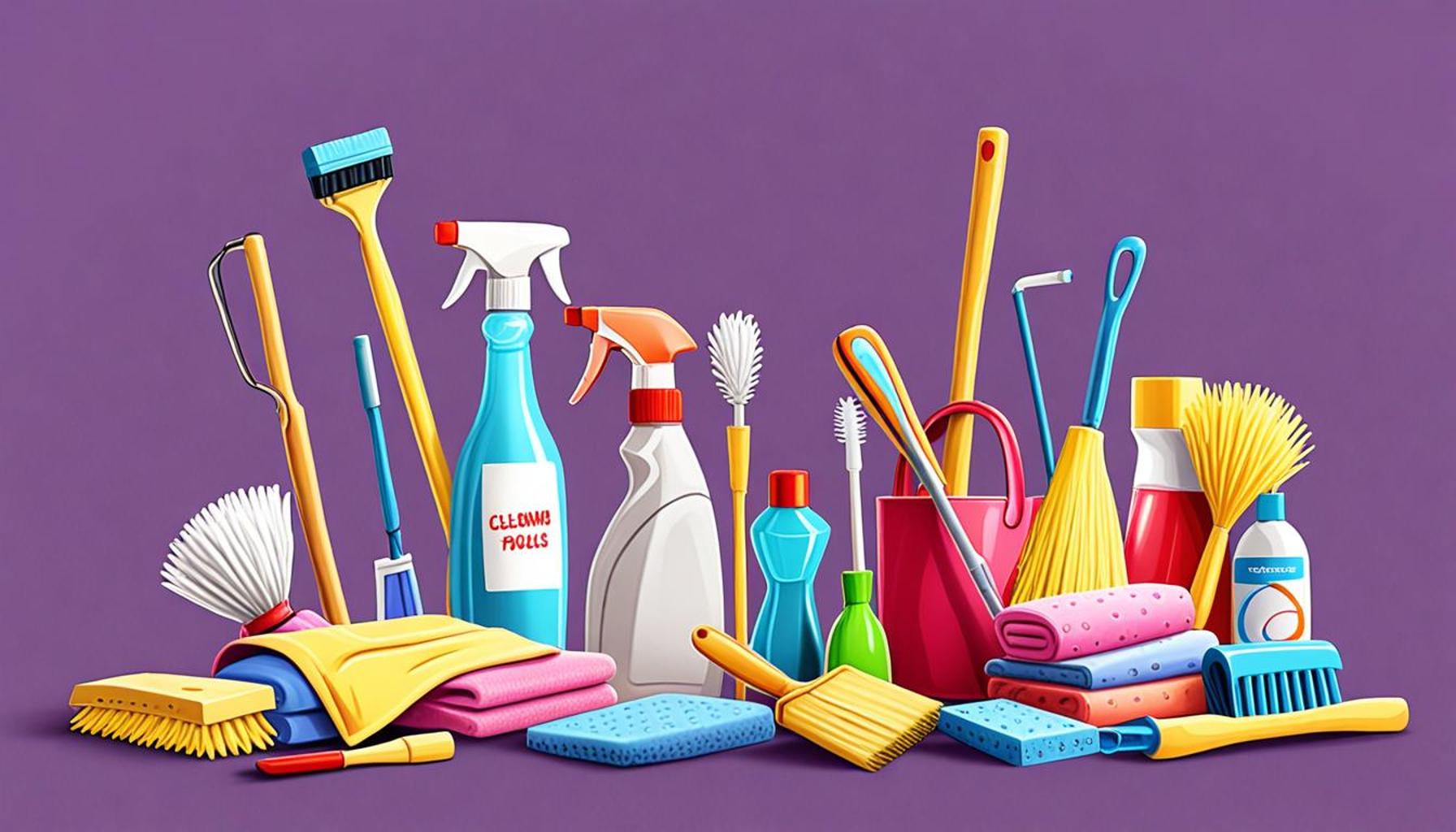
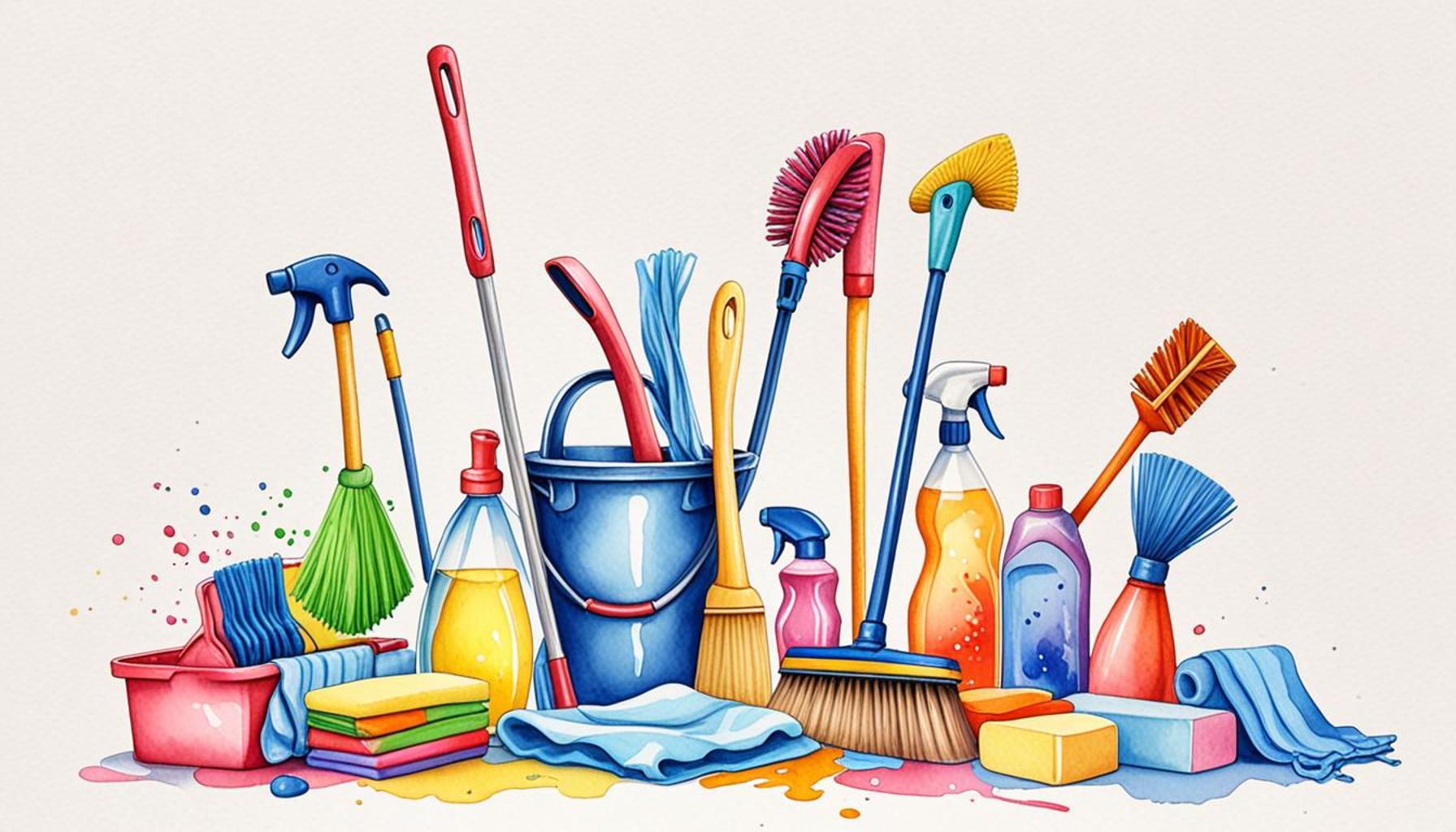
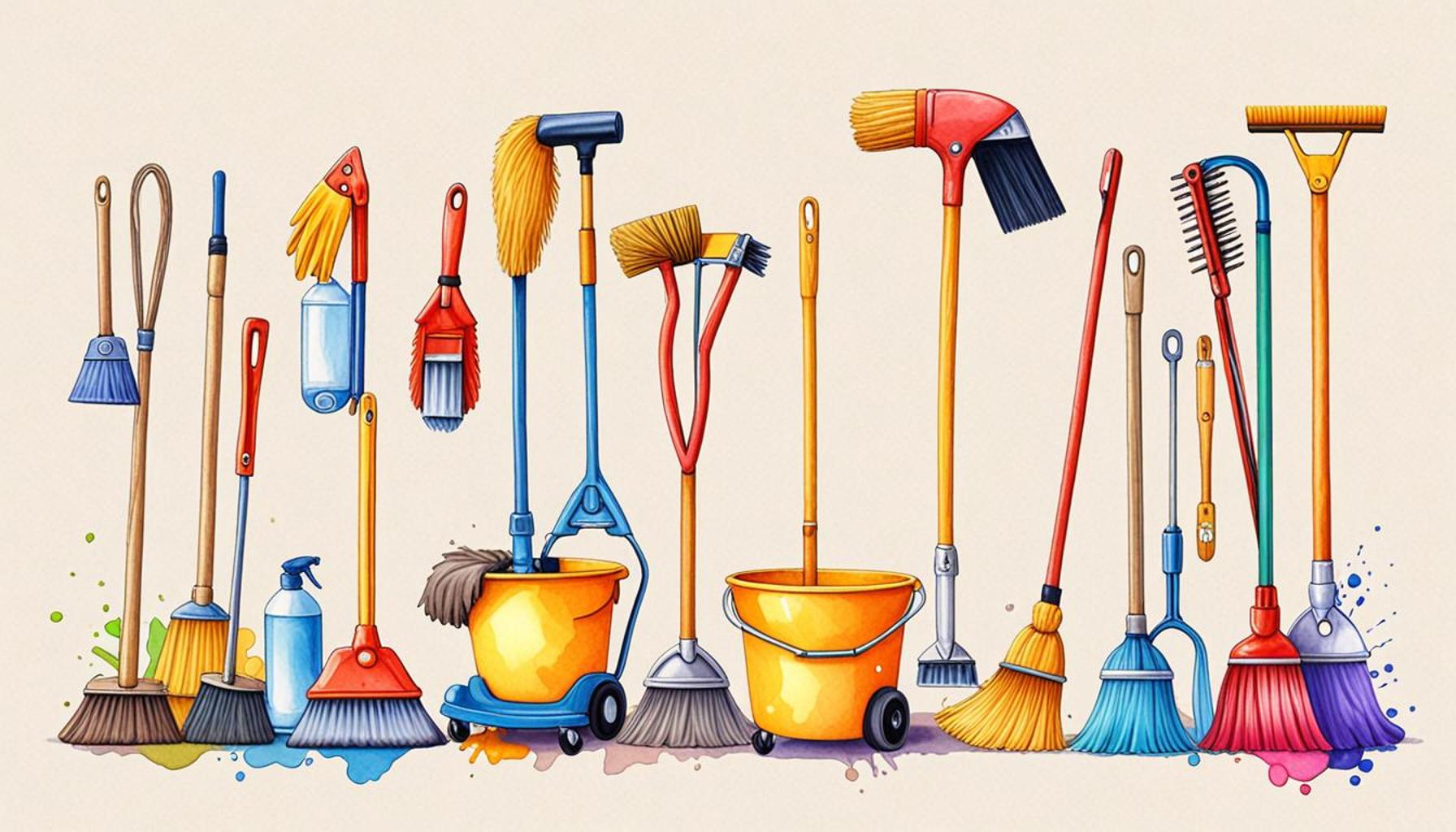
As homeowners increasingly seek efficiency without sacrificing aesthetics, the design of cleaning tools has evolved remarkably. Today’s cleaning tools are a blend of innovative technology, ergonomic design, and stylish finishes, catering to the preferences of modern living. This transformation is reshaping the cleaning experience, ensuring that it becomes less of a chore and more of a seamless part of home management.
Key Trends Shaping Cleaning Tool Design
Several significant trends are at the forefront of this evolution:
- Minimalist Aesthetics: Sleek, simple designs that complement interior décor have become increasingly popular. For instance, brands like OXO and Simplehuman are creating tools like dish brushes and mops that feature clean lines and modern colors. These aesthetically pleasing tools not only perform well but also look good displayed in the kitchen or utility room.
- Eco-Friendly Materials: Sustainability is driving innovation in cleaning tools. Many companies are now using recycled plastics, bamboo, and biodegradable materials to produce items like broom handles and sponges. This trend is exemplified by brands such as Ecover and Seventh Generation, which prioritize environmental responsibility in their product lines.
- Smart Technology: The integration of smart technology into cleaning tools is becoming more common. Robotic vacuum cleaners, such as the Roomba from iRobot, utilize artificial intelligence to navigate homes autonomously, adapting to furniture and room layout. These devices can be controlled via smartphone apps, allowing users to schedule cleanings and receive real-time updates on cleaning status.
The Importance of Functionality
In the bustling landscape of home cleaning, functionality is equally important, with consumers prioritizing:
- Ergonomic Features: Cleaning tools are now designed to reduce strain on the body. Handles that pivot or grips that conform to the hand can significantly improve comfort during use. This focus on ergonomics can be seen in products like the Dyson vacuum, which provides ease of use without compromising on power.
- Multipurpose Utilization: Modern cleaning tools are increasingly designed for multiple tasks to minimize clutter. For example, products like the Swiffer are designed for both dry dusting and wet cleaning, allowing homeowners to tackle various cleaning needs without needing multiple tools.
- Compact Storage: Innovative designs allow for easy storage in small spaces, appealing to urban dwellers. Items like collapsible mop heads or stackable cleaning products maximize vertical space and keep homes organized.
Shifting Consumer Expectations
As we delve deeper into these trends, it’s essential to recognize the shift in consumer expectations for cleaning tool design. Style and functionality now go hand-in-hand, transforming the way we maintain our homes. Consumers are increasingly desiring products that make a bold statement while also performing effectively, reflecting a broader trend in home appliances that merge form with function.
This evolving landscape not only enhances the aesthetics of home cleaning but also encourages homeowners to take pride in their cleaning routines. The ongoing innovations in cleaning tools promise a future where efficiency is maximized, and sustainability is prioritized, meeting the demands of a new generation of conscientious consumers.
DISCOVER MORE: Click here to see the latest cleaning innovations
Design Innovations in Cleaning Tools
The evolution of cleaning tool design is marked not only by aesthetic transformations but also by a wave of innovative features that enhance functionality. As consumers become more discerning, cleaning tool manufacturers are responding with products that embrace cutting-edge technology, thoughtful ergonomics, and multifunctional capabilities. This new wave of design not only enriches the cleaning experience but also fosters a sense of pride for homeowners, allowing them to showcase cleaning tools as integral parts of their living spaces.
Fostering Sustainable Practices
One of the most profound shifts in the cleaning tools market is the focus on sustainability. Consumers are increasingly concerned about the environmental impact of the products they choose. The demand for eco-conscious cleaning tools has led to a significant upsurge in the use of sustainable materials. Tools made from recycled plastics, sustainably sourced wood, and organic, biodegradable fabrics are gaining traction.
This shift is exemplified by brands such as Reusable, which offer cleaning pads made from materials that reduce waste and can be washed repeatedly, unlike traditional disposable options. Shoppers are now prioritizing products designed with the environment in mind, driving companies to innovate while adhering to eco-friendly practices.
Technological Advancements
The incorporation of advanced technology in cleaning tools serves as a game changer in the realm of home maintenance. Smart cleaning devices, such as robotic vacuum cleaners, have exploded in popularity due to their convenience and efficiency. These gadgets increasingly leverage enhanced artificial intelligence, enabling them to learn their environments and improve cleaning performance over time.
For example, the Roomba i7+ utilizes a smart mapping feature that allows it to navigate complexes spaces autonomously. Users can manage their cleaning schedules through a mobile application, allowing for real-time monitoring and control. The appeal of such technology lies not only in their cleaning capabilities but also in the level of customization and control they offer to modern homeowners.
Ergonomics: Comfort Meets Effectiveness
Another critical aspect of modern cleaning tool design is the focus on ergonomics. With many people spending considerable amounts of time maintaining their homes, tools that prioritize user comfort have become essential. Manufacturers are designing products with features that minimize physical strain, thereby enhancing overall efficiency.
- Adjustable Handles: Many mops and vacuum cleaners come equipped with telescoping handles or pivoting necks, allowing users to customize their cleaning experience according to their height and the task at hand.
- Weighted Bases: Tools are increasingly incorporating weighted bases to provide stability, reducing the effort needed to maneuver and operate them effectively.
- Comfort Grips: Handles designed with soft, non-slip materials ensure a secure and comfortable grip, even during extended use, protecting the user’s hands and wrists.
This holistic approach to tool design shines a spotlight on the importance of user experience, recognizing that even the most effective cleaning tool requires comfortable handling to achieve a thorough clean. As we glimpse deeper into the realm of modern cleaning tool design, it’s clear that the intersection of style, functionality, and sustainability is reshaping the expectations of today’s homeowners.
| Design Trends | Innovative Features |
|---|---|
| Sleek, Minimalist Aesthetics | Modern cleaning tools are now designed with clean lines and neutral colors, making them seamless additions to home decor. |
| Smart Technology Integration | Many new tools feature smart technology, including app connectivity for tracking usage and maintenance, enhancing usability. |
| Eco-Friendly Materials | Sustainable materials are being utilized, appealing to environmentally conscious consumers while maintaining strong performance. |
The evolving landscape of cleaning tools underscores the necessity for both style and practicality in today’s homes. With a focus on sleek, minimalist aesthetics, modern cleaning devices are crafted to blend seamlessly with contemporary interiors. This means that cleaning is not merely a chore; it’s a part of the home’s visual appeal.Moreover, the integration of smart technology represents a significant leap towards convenience and efficiency. Devices linked to mobile apps enable homeowners to monitor maintenance schedules and optimize usage seamlessly. Additionally, the demand for eco-friendly products continues to rise, motivating manufacturers to prioritize sustainable materials without compromising functionality. Innovation in design, technology, and sustainability is at the forefront, reshaping the cleaning experience in the modern home. It’s an invitation for homeowners to reconsider their cleaning tools, not just as necessities, but as integral elements of their lifestyle.
DIVE DEEPER: Click here to discover more about effective time management strategies!
Integrating Aesthetics and Functionality
The modern homeowner’s desire for style and functionality in cleaning tools has paved the way for an impressive integration of aesthetics into cleaning tool design. Gone are the days when standout cleaning tools only existed out of necessity; today, consumers seek products that enhance their home’s decor while exempting their chores from being viewed as a burden. The right cleaning tools now contribute to the overall ambiance of a space, making them more than just utilitarian items.
Color and Material Trends
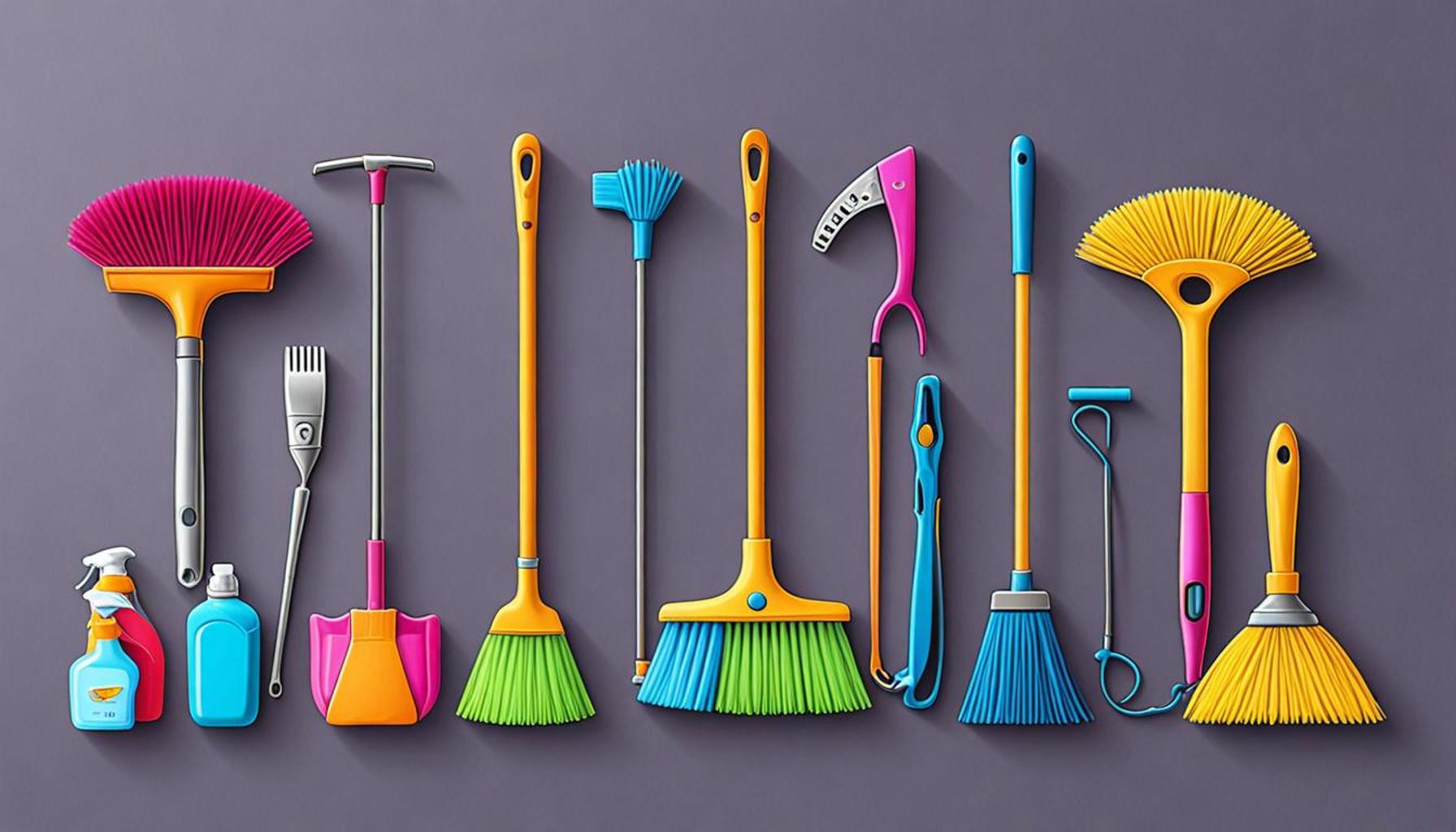
The color palette for cleaning tools has evolved significantly, moving away from the utilitarian clunky designs in drab colors. Brands now offer a myriad of stylish hues—think muted pastels, vibrant neons, or metallics—which resonate with various home aesthetics, from minimalist to farmhouse chic. As an illustration, OXO has introduced a range of cleaning brushes and mops that incorporate a pop of color with sleek lines, inviting consumers to display them rather than hide them in a cupboard.
Moreover, the materials used have seen a shift toward innovative options. Materials like bamboo, silicone, and stainless steel are not only visually appealing but also offer durability and ease of cleaning. Consumers are particularly drawn to tools that combine sustainable practices with luxurious finishes, creating a heightened sense of quality. Brands such as seventh generation are at the forefront of this trend, producing eco-friendly tools that stand out for their design and performance.
Multifunctionality as a Design Standard
In today’s fast-paced world, multifunctionality has become a hallmark of innovative cleaning tool design. Homeowners are looking for products that do more than just one task, which has led manufacturers to create tools that can effectively perform multiple functions. For instance, the rise of versatile mops that can transition from wet cleaning to dry dusting gives users greater flexibility while reducing the need for storage space.
Additionally, innovations such as the grocery cart that doubles as a vacuum stand out as perfect examples of this trend. Products like Shark’s Rocket vacuum feature a detachable canister that works as a handheld cleaner for quick debris pickups on various surfaces. Such designs streamline cleaning processes, allowing consumers to tackle messes with efficiency, turning what is often perceived as a chore into a swifter, even enjoyable, task.
Smart Cleaning Systems for the Future
As smart home technology continues to flourish, cleaning tools are aligning with connected systems to enhance the user experience. Many cleaning products now feature compatibility with home assistants, simplifying control through voice commands. Imagine instructing your cleaning robot to start vacuuming while you finish your morning coffee—this integration of conveniences reflects the lifestyle aspirations of contemporary homeowners. Brands like iRobot have been pioneered in this sector, offering an extensive range of smart cleaning devices that align seamlessly with modern home technology.
The future of cleaning tool design is undeniably leaning toward customization and control, enabling users to tailor their cleaning experiences to fit their needs while maintaining a balance of efficiency and aesthetics.
LEARN MORE: Click here for essential tips
Conclusion: The Evolution of Cleaning Tools for Modern Living
As we delve into the shifting paradigms of cleaning tool design, it becomes clear that the modern home is no longer just a space for functionality but a canvas for style and individuality. The integration of aesthetic principles with robust functionality has redefined what cleaning tools symbolize—transforming them from simple, utilitarian devices into stylish accessories that complement the home environment.
The evolution of color and material trends, such as the adoption of vibrant hues and eco-friendly materials, reflects the creative aspirations of today’s consumers. These tools not only perform effectively but do so while aligning with the user’s personal taste and commitment to sustainability. Furthermore, the demand for multifunctionality in cleaning tools showcases an adaptive design philosophy tailored to the fast-paced lifestyles of contemporary homeowners. With versatile products, users benefit from convenience and efficiency, no longer viewing cleaning as a tedious chore but rather as an opportunity for personal expression.
Additionally, as we embrace the rise of smart home technology, the future of cleaning tools promises to further evolve, integrating seamlessly with our daily routines. This intersection of technology and design will undoubtedly enhance user experience, offering unprecedented control and customization in home care. From stylish brooms to automated robots, the trends in cleaning tool design continue to reflect the dynamic nature of modern living.
In conclusion, as we navigate this journey of innovation, it’s essential for consumers to remain informed about these trends. By investing in cleaning tools that harmonize style with practicality, individuals not only elevate their homes but also embrace a lifestyle that celebrates both beauty and efficiency. The quest for aesthetically pleasing and functional cleaning solutions is just beginning, inviting homeowners to explore new possibilities in their journey toward a cleaner, more stylish home.

Linda Carter
Linda Carter is a home organization writer and cleaning efficiency specialist who helps households maintain spotless spaces with minimal effort. With extensive experience developing smart cleaning systems and preventive maintenance routines, she shares practical strategies on our platform for streamlining chores and preserving home value. Her goal is to empower homeowners with time-saving techniques and proactive care strategies to create cleaner, healthier, and more manageable living environments.