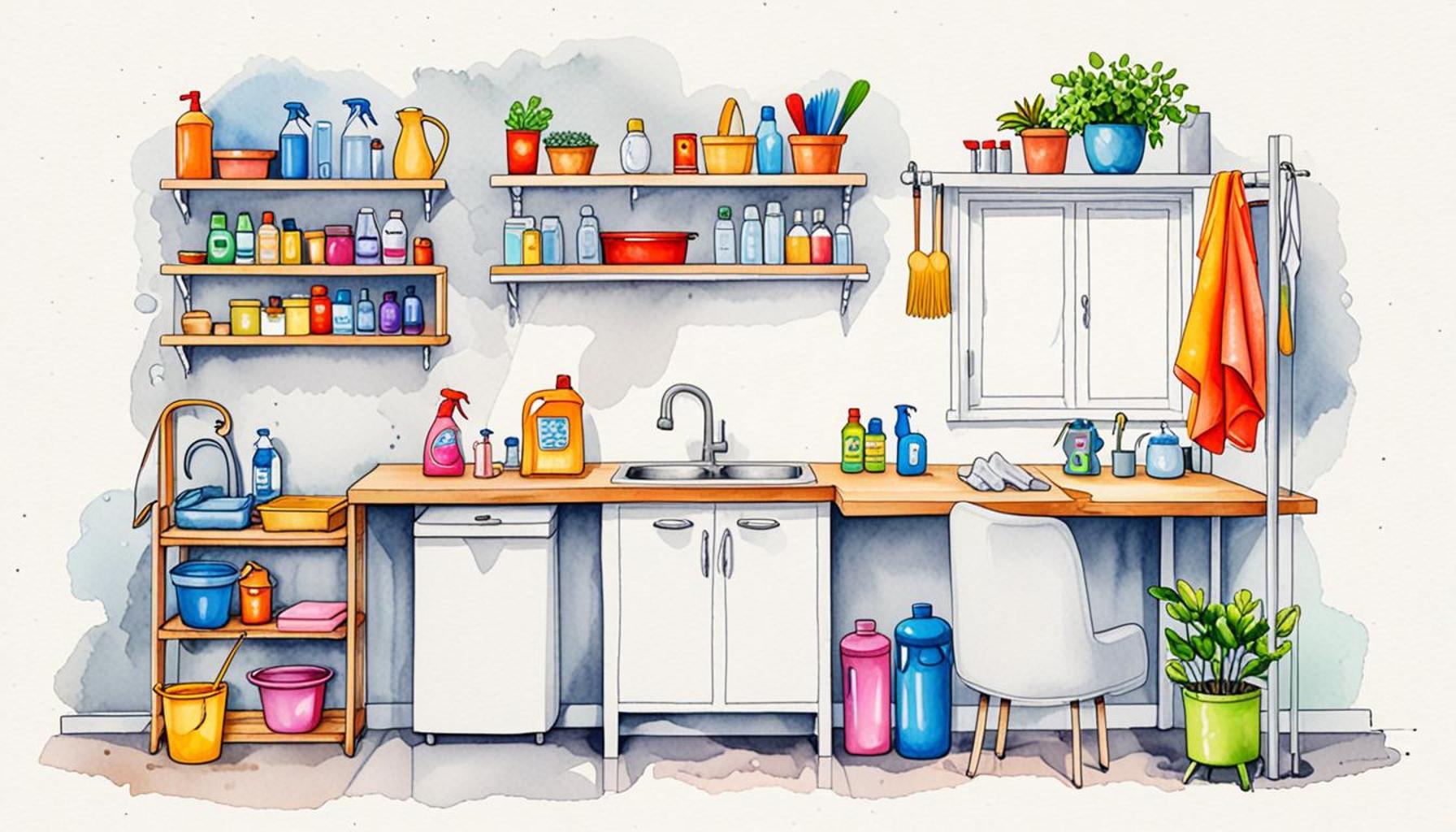
Integrating Mindfulness into Your Cleaning Routine: Enhancing Efficiency and Well-Being

Exploring Mindfulness in Everyday Cleaning Tasks
Imagine transforming your mundane chores into an opportunity for deep mindfulness and reflection. By integrating mindfulness into your cleaning routine, you can unlock not only enhanced efficiency but also greater well-being. Engaging in cleaning with a mindful perspective allows you to derive satisfaction and clarity from what is often viewed as a tedious task.
Mindful cleaning goes beyond just a task; it encompasses:
- Focus: Concentrating on the present moment while you clean ensures that you are aware of your physical actions and your environment. This can be as simple as feeling the texture of cleaning materials or being attentive to the difference in cleanliness as you go.
- Awareness: By being aware of your surroundings and the act of cleaning itself, you can begin to notice the impact of your efforts. For example, rather than simply vacuuming the floor, taking a moment to appreciate the transformation from chaos to order can enhance your appreciation for the task.
- Intention: Understanding the purpose behind maintaining a clean space fosters a sense of purpose. You are not just cleaning for cleanliness’s sake; you are creating a welcoming environment that nurtures peace and productivity.
This approach can significantly impact your mental health and productivity. Research indicates that mindful activities can reduce stress, increase focus, and improve overall mood. According to a study published in the journal Psychology of Consciousness, engaging in mindfulness practices such as mindful cleaning promotes emotional regulation and enhances psychological well-being.
Incorporating mindfulness into cleaning can lead to:
- Efficiency: Completing tasks faster with improved concentration can be seen when you maintain a laser focus on the task at hand, eliminating multitasking distractions.
- Clarity: A clearer mind resulting from a decluttered environment isn’t just a metaphor; physical cleanliness can translate to mental clarity. Studies show that a messy environment can create unnecessary stress and a decrease in cognitive function.
- Contentment: Achieving a sense of accomplishment after engaging fully in each task reinforces positive behavior, making you more likely to approach future chores with a positive mindset.
As we explore the methods to fuse mindfulness with cleaning, you might find yourself viewing chores through a new lens. Methods such as creating a dedicated playlist with calming music or setting aside specific moments for deep breathing before a cleaning session can enhance the mindful experience. Additionally, the practice of gratitude can be interwoven into cleaning; for instance, expressing appreciation for the items you are cleaning or the space you are maintaining can shift the overall experience.

This exploration aims to equip you with practical tips and techniques to elevate your routine into a practice of mindful engagement. Are you ready to discover how a simple shift in perspective can enhance both your cleaning efficiency and personal well-being? Embrace the journey of transforming everyday chores into enriching experiences!
DISCOVER MORE: Click here to learn about incorporating native plants for natural pest control
Mindful Cleaning: A Path to Greater Focus and Clarity
In a world saturated with distractions, the concept of mindful cleaning offers a refreshing approach that not only enhances productivity but also nurtures mental well-being. When you adopt mindfulness in your cleaning practices, you create a space that is not only physically clean but also mentally calming. The key lies in transforming your cleaning tasks into opportunities for self-awareness and introspection.
To integrate mindfulness into your cleaning routine effectively, it’s beneficial to establish a systematic approach. Consider the following methods that can help cultivate a mindful mindset:
- Setting the Stage: Create a conducive environment for cleaning by decluttering beforehand. A clean slate allows you to focus more on the task. Before you begin, take a moment to breathe deeply, grounding yourself in the present and preparing your mind for the task ahead.
- Choosing Your Tools: Select cleaning supplies and tools that resonate with you. Whether it’s a favorite cloth spritzed with a calming essential oil or a vacuum you find satisfying to use, the right tools can enhance your engagement, making the process more enjoyable.
- Mindful Movement: As you clean, pay attention to your bodily movements. Feel the sensations in your arms as you scrub, the rhythm of your legs as you walk, and the texture of surfaces that need attention. This awareness can transform robotic cleaning into a dance with your environment.
- Incorporating Breaths: Take pauses in between tasks to practice mindful breathing. Inhale deeply through your nose, filling your lungs as you focus on the moment. Hold it briefly, then exhale slowly through your mouth. This simple technique can help you relieve anxiety and sustain focus.
Studies support the profound impacts of such practices, revealing that engaging fully in tasks—not just letting them be another item on the to-do list—can lead to improvements in efficiency and mental health. The American Psychological Association emphasizes that mindfulness can enhance attention and relieve stress, fostering a sense of accomplishment as you connect with your cleaning tasks on a deeper level.
Beyond practical methods, a mindful cleaning approach can nurture a sense of purpose. Every time you wipe down a counter or mop the floor, remind yourself that you are not just performing duties but are actively cultivating an environment that promotes joy and well-being. This shift in perspective can transform mundane chores into acts of self-care.
Moreover, the practice of gratitude while cleaning can further enrich this mindful experience. Take time to recognize and appreciate the items in your space. Whether it’s thanking your dishes for their service or expressing gratitude for the comfort of your home, acknowledging these aspects can deepen your connection to your environment.
Ultimately, the journey of integrating mindfulness into your cleaning routine invites you to discover the profound benefits that can arise from a simple yet insightful perspective shift. As we delve deeper into effective techniques for elevating your cleaning practices, get ready to enhance both your efficiency and sense of well-being in remarkably fulfilling ways.
Integrating mindfulness into your cleaning routine not only optimizes efficiency but also fosters a profound sense of well-being. By embracing mindfulness while cleaning, individuals can transform this everyday chore into a nurturing practice that soothes the mind and spirit. One of the key benefits of this approach is the ability to cultivate an awareness of the present moment. As you scrub surfaces or organize spaces, intentionally focusing on each movement allows for a meditative state that can reduce anxiety and improve overall mental clarity.Practicing mindfulness during cleaning also promotes a deeper connection with your environment. When you pay attention to the sounds, smells, and sensations associated with cleaning, it becomes less of a mechanical task and more of a sensory experience. This transformation can foster gratitude for your living space, enhancing satisfaction and joy in your home.Moreover, incorporating breathing exercises is quite beneficial. Before you begin cleaning, take a few deep breaths to center yourself. This simple act can set a calm tone for your cleaning session, ensuring that you remain focused and stress-free throughout the process. Additionally, using eco-friendly cleaning products can enhance this experience, aligning the physical act of cleaning with a greater commitment to environmental wellness.Another fascinating aspect of integrating mindfulness into cleaning is the potential for fostering positive habits. As you continue this practice, you may find that your cleaning sessions become more productive and less burdensome. The key is to approach every task with a sense of intent and purpose. Instead of viewing cleaning as a mundane obligation, reframe it as an opportunity to care for your space and, by extension, yourself.By understanding the psychological benefits that accompany the merging of mindfulness with routine activities, such as cleaning, you are likely to enjoy not only a cleaner home but also a more peaceful mind. Through this practice, the act of cleaning evolves from a chore into a ritual of self-care that resonates throughout your daily life.
DIVE DEEPER: Click here for eco-conscious cleaning tips
Transforming Cleaning into a Meditative Practice
Beyond simply engaging in cleaning tasks with awareness, transforming cleaning into a meditative practice adds another dimension to this routine. At its core, cleaning can become a mindful meditation that allows for stress reduction and personal reflection. Here are several strategies to deepen this meditative aspect of cleanliness.
- Single-Tasking: Embrace the art of single-tasking instead of multitasking during your cleaning routine. Focus solely on one area or task at a time—this means giving your full attention to washing dishes or vacuuming a room without being tempted to check your phone or think about future tasks. This concentration not only increases your productivity but also enhances the meditative quality of the practice.
- Use of Sound: Integrating sounds can elevate cleaning into a more immersive experience. Play calming music or nature sounds while you clean, or opt for silence to hone in on the sound of water, scrubbing, or even the gentler hum of your vacuum. Sound can enhance your emotional state, making the experience more enjoyable and conducive to meditation.
- Engaging the Senses: Use your senses intentionally as you clean. Feel the temperature of the water as you wash floors, smell the fragrance of cleaning products, and notice the colors around you. Engaging your senses fully allows your mind to be anchored in the present moment, reinforcing mindfulness.
The psychological benefits of combining mindfulness with cleaning activities have been documented in numerous studies. Research from the National Institutes of Health indicates that mindfulness practices can lead to transformations in emotional health, reducing symptoms of anxiety and depression. This is especially relevant in today’s fast-paced lifestyle, where the simple act of cleaning can become a sanctuary of calm.
Additionally, implementing a consistent cleaning schedule can enhance these mindfulness practices. By setting aside dedicated time to clean, you can alleviate the pressure of a disorganized environment and integrate this practice into your life as a form of self-care. Whether it’s a daily tidy-up or a weekly deep clean, consistency offers a rhythm that supports mindfulness. It shapes an expectation to clear not only physical space but also mental clutter.
Furthermore, creating a positive affirmation ritual can infuse your cleaning routine with purpose. Before starting your cleaning session, recite a mantra that resonates with you, such as “I am creating a sanctuary that reflects my peace.” This affirmation acts as a guiding principle that can heighten your focus and intention, allowing your cleaning practice to serve a dual purpose of physical cleanliness and psychological clarity.
As you begin to view cleaning through the lens of mindfulness, you’ll likely find that the psychological rewards extend beyond the confines of your home. The skills developed in mindful cleaning—like heightened awareness, focused attention, and even stress relief—can permeate other aspects of daily life, from work tasks to interpersonal relationships. Recognizing the holistic benefits of integrating mindfulness into your cleaning practices can ultimately lead to a more balanced and fulfilling lifestyle.
DISCOVER MORE: Click here for essential strategies
Conclusion: Elevating Cleaning Through Mindfulness
Incorporating mindfulness into your cleaning routine emerges as a powerful means to enhance both efficiency and overall well-being. By adopting practices such as single-tasking, engaging the senses, and utilizing calming sounds, you can transform mundane chores into a purposeful and restorative experience. This unique perspective not only augments productivity but also fosters a deep sense of contentment and peace as you navigate daily responsibilities.
The findings from research conducted by reputable institutions highlight the positive impact of mindfulness on mental health, emphasizing the relevance of this approach in today’s often chaotic world. By recognizing cleaning as a meditative practice, you cultivate an opportunity to disengage from stressors and reconnect with yourself, ultimately transforming your living space into a sanctuary of tranquility.
Moreover, establishing a consistent cleaning schedule serves as a vital foundation, allowing you to integrate mindfulness as a regular aspect of your self-care routine. As you make this commitment, you may find that the awareness developed through cleaning seeps into other areas of your life, enhancing relationships and work endeavors.
As you embark on this journey of mindful cleaning, remember that even the smallest shifts in perspective can yield significant emotional and psychological rewards. Dive deeper into the enriching experience of combining mindfulness with cleaning, allowing this practice to not only purify your physical space but also nurture your mental clarity. By doing so, you will undoubtedly unlock a profound harmony between efficiency and well-being in your everyday life.

Linda Carter
Linda Carter is a home organization writer and cleaning efficiency specialist who helps households maintain spotless spaces with minimal effort. With extensive experience developing smart cleaning systems and preventive maintenance routines, she shares practical strategies on our platform for streamlining chores and preserving home value. Her goal is to empower homeowners with time-saving techniques and proactive care strategies to create cleaner, healthier, and more manageable living environments.