Cleaning Tools for Allergics: How to Choose and Use for a Healthier Environment
Understanding the Importance of Cleaning Tools for Allergics
For millions of Americans, allergens are an unseen threat lurking in their homes. Dust mites, pet dander, and mold spores can exacerbate allergies and respiratory issues. Choosing the right cleaning tools is not just about cleanliness; it’s crucial for maintaining a healthier living environment. With allergens playing a significant role in daily discomfort and health risks, understanding how to combat them effectively can make a notable difference.
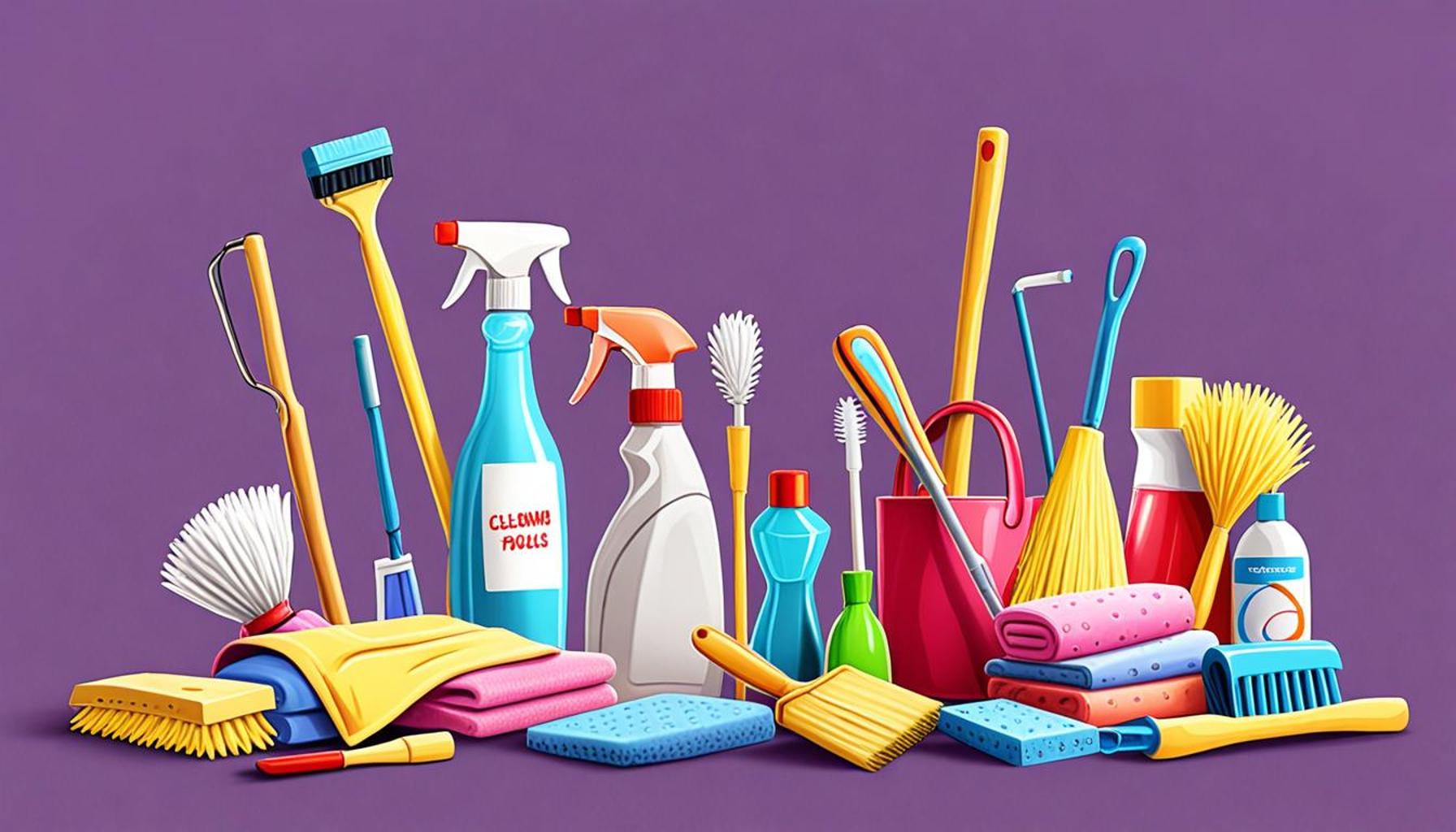
When selecting cleaning tools suitable for individuals with allergies, consider the following features:
- HEPA Filters: High-Efficiency Particulate Air (HEPA) filters are essential for vacuums and air purifiers, as they capture particles as small as 0.3 microns, which includes dust, pollen, and pet dander. For example, using a vacuum equipped with a HEPA filter can reduce the number of allergens that circulate in your home by trapping them instead of blowing them back into the air.
- Non-Toxic Cleaners: It’s important to opt for safer cleaning solutions that are free of harsh chemicals. Traditional cleaners can emit volatile organic compounds (VOCs), which can trigger reactions in sensitive individuals. Brands like Mrs. Meyer’s and Seventh Generation offer non-toxic alternatives that can effectively clean without compromising health.
- Microfiber Cloths: These cloths are designed to hold onto dust and other particles rather than just spreading them around. Their fine fibers ensure that allergens are effectively captured and kept away from the air, making them a preferable choice over traditional cotton rags.
Proper usage of these tools is equally vital. Here are some key practices:
- Regular Cleaning Schedule: Establishing a consistent cleaning schedule can help control allergen levels. Vacuuming high-traffic areas at least once a week and dusting surfaces more frequently can minimize the buildup of allergens.
- Right Technique: When dusting, it’s best to work from top to bottom. This technique prevents dust and allergens from falling onto surfaces that you have already cleaned, greatly reducing the chance of recontamination.
- Proper Ventilation: Ensuring spaces are well-ventilated while cleaning can help disperse any allergens stirred into the air. Opening windows or using exhaust fans while cleaning can significantly improve air quality during the process.
Investing in the right cleaning tools can lead to significant improvements in health and well-being. A clean home is not just free from visible dirt; it is also a sanctuary where allergens are kept at bay. By understanding what to select and how to use them effectively, you are taking a proactive step towards a safer home. In addition, the ongoing maintenance of the environment contributes to better respiratory health, reduced allergy symptoms, and an overall enhanced quality of life.
Ultimately, if you or your loved ones suffer from allergies, the right cleaning tools combined with effective cleaning practices can be your allies in creating a comfort zone free from the stress of allergens. Investing time and resources into these areas may lead to long-term relief and a healthier living space.

DIVE DEEPER: Click here to learn how native plants can enhance your pest control
Choosing the Right Cleaning Tools for Allergy Relief
When it comes to maintaining a home that is safe for allergy sufferers, not all cleaning tools are created equal. The right choices can significantly enhance indoor air quality and contribute to a healthier living environment. Understanding how different tools affect allergens is key to designing an effective cleaning strategy. Here are some essential tools to consider when you’re on the hunt for allergen-fighting cleaning solutions:
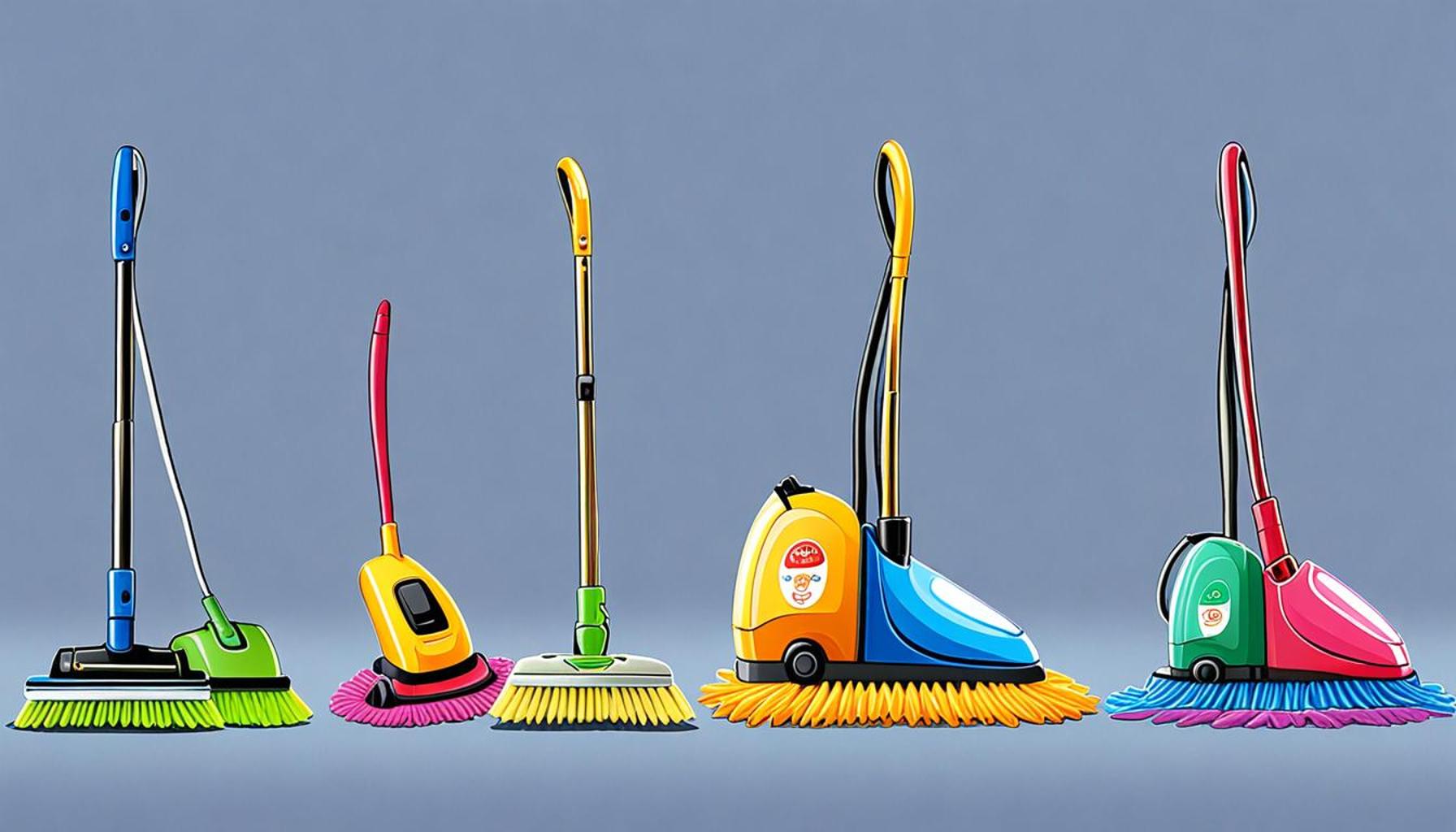
- Vacuum Cleaners: A vacuum equipped with a HEPA filter is a must-have for anyone dealing with allergens. These vacuums are specifically designed to trap small particles that standard vacuums might recirculate back into the air. Brands like Dyson and Miele have models that emphasize filtration technology, which can significantly reduce allergens in the home.
- Steam Cleaners: These gadgets not only clean but also disinfect without the use of harsh chemicals. The high temperatures from a steam cleaner can kill dust mites and bacteria lurking in carpets, upholstery, and hard surfaces, ultimately reducing allergens. Consider brands like Bissell or McCulloch for reliable steam-cleaning options.
- Air Purifiers: An air purifier fitted with a HEPA filter can help remove airborne allergens such as pollen, pet dander, and dust mites. Maintaining a clean atmosphere is vital, especially during high-pollen seasons. Look for purifiers with CADR (Clean Air Delivery Rate) ratings to ensure optimal performance. Models from Honeywell and Coway are often recommended for allergy sufferers.
While selecting these tools is essential, knowing how to use them effectively is equally important. Implementing the right practices can maximize your cleaning efforts and further reduce allergens in your home. Here are some strategies to consider:
- Prioritize High Traffic Areas: Focus on vacuuming and cleaning the most frequented areas—such as living rooms, bedrooms, and entryways—more frequently. These zones tend to collect allergens faster and are where you spend most of your time.
- Regular Filter Maintenance: Ensure that filters in vacuum cleaners, air purifiers, and even HVAC systems are checked and changed regularly. A clogged filter will not only lose efficiency but may also become a breeding ground for allergens.
- Use Cleaning Tools in Sequence: When cleaning, it’s best to use a systematic approach, starting with dusting surfaces and progressing to vacuuming. This method ensures that you’re not reintroducing allergens onto surfaces that have already been cleaned.
By carefully selecting tools designed for allergen management and incorporating effective cleaning techniques, individuals can create a significantly healthier environment. The right cleaning tools paired with smart cleaning practices can help ensure that your home remains a safe haven, free from the irritants that disrupt daily life. In the quest for comfort, knowledge and proper resources are invaluable allies in combating allergy symptoms.
| Category | Benefits |
|---|---|
| HEPA Vacuums | Traps allergens effectively, providing cleaner indoor air. |
| Microfiber Cloths | Reduces dust and prevents it from becoming airborne, perfect for sensitive environments. |
In a world increasingly polluted with allergens, choosing the right cleaning tools is essential for creating a healthier living space. HEPA (High-Efficiency Particulate Air) vacuums stand out as invaluable allies in the fight against home allergens like dust mites, pet dander, and pollen. These vacuums utilize specialized filters capable of trapping 99.97% of particles that are 0.3 microns or larger, significantly purifying the air in your home. On the other hand, microfiber cloths offer a simple yet highly effective method for dusting and cleaning. Unlike traditional cleaning cloths, microfiber can capture and hold onto dust particles rather than just spreading them around. When used damp, these cloths can easily collect allergens without the need for chemical cleaners, making them ideal for those with sensitivities. Exploring additional tools like air purifiers and steam cleaners can further enhance your cleaning regimen, ensuring that your environment remains as free from irritants as possible. Adapting your cleaning routine to focus on allergen-reducing products will lead to a noticeably healthier atmosphere in your everyday living spaces.
DISCOVER MORE: Click here to learn about the best cleaning tools for your home
Utilizing Cleaning Tools Effectively to Combat Allergens
Once you’ve selected the appropriate cleaning tools designed for allergy relief, mastering their usage can take a little finesse. Understanding the best times to clean, the techniques to employ, and the specific products that complement your tools can enhance their effectiveness dramatically. Here are some effective practices and additional cleaning tools that can make a substantial difference:
- Microfiber Cloths: These versatile cleaning accessories are a game-changer for allergy sufferers. Unlike traditional cloths, microfiber traps and holds onto dust, allergens, and even bacteria, rather than merely pushing them around. Give priority to lint-free, washable microfiber cloths as they can be reused, minimizing waste. Brands such as E-Cloth or Norwex offer high-quality options.
- Mops with Microfiber Pads: Just like their cloth counterparts, microfiber mops capture dust and allergens effectively—especially on hard floor surfaces. Pair your mop with a pH-neutral cleaner made specifically for allergy sufferers to avoid the introduction of harsh chemicals into your environment. Look for eco-friendly options that don’t sacrifice cleaning power.
- Allergen-Busting Cleaning Solutions: Chemical-free cleaning solutions are essential when managing allergies. Look for products marked as “hypoallergenic” or “free of common irritants,” which typically avoid harsh fumes and other additives. Brands like Seventh Generation or Mrs. Meyer’s offer such products designed to keep surfaces clean without compromising air quality.
In addition to using the right tools effectively, timing your cleaning routine can also play a critical role. Here’s how:
- Choose Optimal Weather Conditions: On high pollen days, it’s best to avoid opening windows, as this allows allergens to flood indoors. Instead, plan major cleaning sessions for days when it’s raining or just after a storm, which helps minimize outdoor allergens.
- Allergen Forecast Awareness: Utilize apps or websites that provide real-time allergen forecasts. Tools like Pollen.com or the Weather Channel can alert you to high pollen counts, enabling you to schedule cleaning around those days effectively.
- Routine Cleaning Schedule: Establishing a cleaning schedule can help maintain low allergen levels. Weekly cleanings for high-traffic areas, bi-weekly for less frequented spaces, and monthly deep cleans can prevent buildup and keep allergens at bay.
A crucial aspect of maintaining a healthier environment involves engaging other household members in the cleaning process. Everyone should pitch in to help minimize allergens together. Additionally, educating households on the types of products and tools that can aid in allergen management can foster a collective commitment to creating a healthier home. Here are some key points to discuss:
- Pet Owners: If you have pets, investing in tools specifically designed for pet hair removal, such as rubber brooms or pet-specific vacuum attachments, can significantly reduce dander and hair.
- Furniture Choices: When decorating, opt for materials less likely to trap allergens. Leather, vinyl, and synthetic fabrics generally present fewer allergy issues than velvet or woven textiles.
- Regular Maintenance of HVAC Systems: Scheduling regular maintenance for heating and air conditioning systems ensures that dust and allergens are contained. Consider using an air filter rated MERV 11 or higher to optimize allergen reduction in indoor air.
By integrating these practices and tools into your cleaning routine, you can drastically enhance the efficacy of your allergy management efforts, leading to a cleaner, healthier environment where you can thrive. Staying informed about cutting-edge tools and strategies makes all the difference in addressing the continual battle against allergens in your home.
DISCOVER MORE: Click here to learn creative ways to reduce waste in your cleaning routine</p
Conclusion: Creating an Allergen-Free Oasis
In conclusion, successfully managing allergies in your home is not just about having the right cleaning tools for allergics, but also about how you choose to utilize them effectively. By investing in microfiber cloths, mops with microfiber pads, and hypoallergenic cleaning solutions, you’re taking crucial steps towards combating allergens and ensuring your indoor environment is healthier for everyone. Optimizing your cleaning routine, from selecting the right days to clean based on allergen forecasts to establishing a consistent schedule, significantly enhances the effectiveness of your efforts.
Furthermore, engaging household members in the cleaning process and sharing knowledge of allergen-reducing tools fosters a collective commitment to maintaining an allergen-free environment. For pet owners, employing specialized pet hair removal tools and wisely choosing furniture materials that minimize allergen retention can contribute to more comfortable living spaces. Regular maintenance of HVAC systems and the use of quality air filters also play pivotal roles in reducing indoor allergens.
The journey towards creating a healthier home for allergy sufferers requires awareness, planning, and continual education. By keeping abreast of new products and methods, you not only empower yourself but also promote a lifestyle that nurtures well-being. Dive further into the world of allergen management and embrace the responsibility of fostering a cleaner, healthier space where everyone can thrive without the burden of allergies.

Linda Carter
Linda Carter is a home organization writer and cleaning efficiency specialist who helps households maintain spotless spaces with minimal effort. With extensive experience developing smart cleaning systems and preventive maintenance routines, she shares practical strategies on our platform for streamlining chores and preserving home value. Her goal is to empower homeowners with time-saving techniques and proactive care strategies to create cleaner, healthier, and more manageable living environments.