Creating a Cleaning Schedule that Promotes Sustainability: Balancing Cleanliness with Environmental Responsibility
Understanding Sustainable Cleaning Practices
As awareness around environmental issues amplifies, individuals and families are increasingly conscious of the impact their daily choices have on the planet. Amidst this growing concern, the cleaning routines we adhere to in our homes often go overlooked. Traditional cleaning products, while effective, can contribute to pollution and waste, posing significant risks to both our health and the environment. Luckily, there are numerous alternatives and strategies that promote a sustainable approach to cleaning.
Eco-Friendly Products
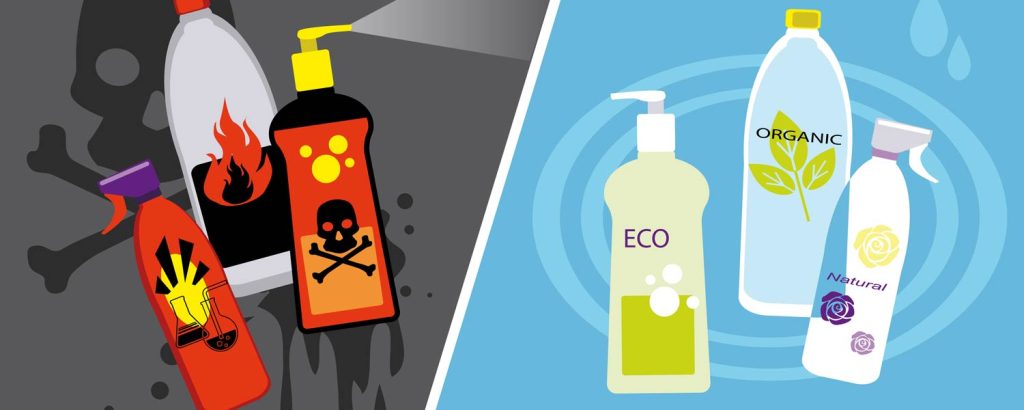
One of the simplest yet most impactful changes you can make is to transition to eco-friendly products. Consider utilizing natural ingredients like vinegar, which effectively cuts through grease and eliminates odors, or baking soda, renowned for its gentle abrasiveness that tackles tough stains without scratching surfaces. Brands specializing in biodegradable cleaning solutions are also gaining momentum, offering products free from harsh chemicals that can leach into waterways and harm marine life. For instance, companies like Seventh Generation and Method prioritize sustainability in their formulations, ensuring that consumers can keep their homes clean without compromising the planet’s health.
Water Conservation
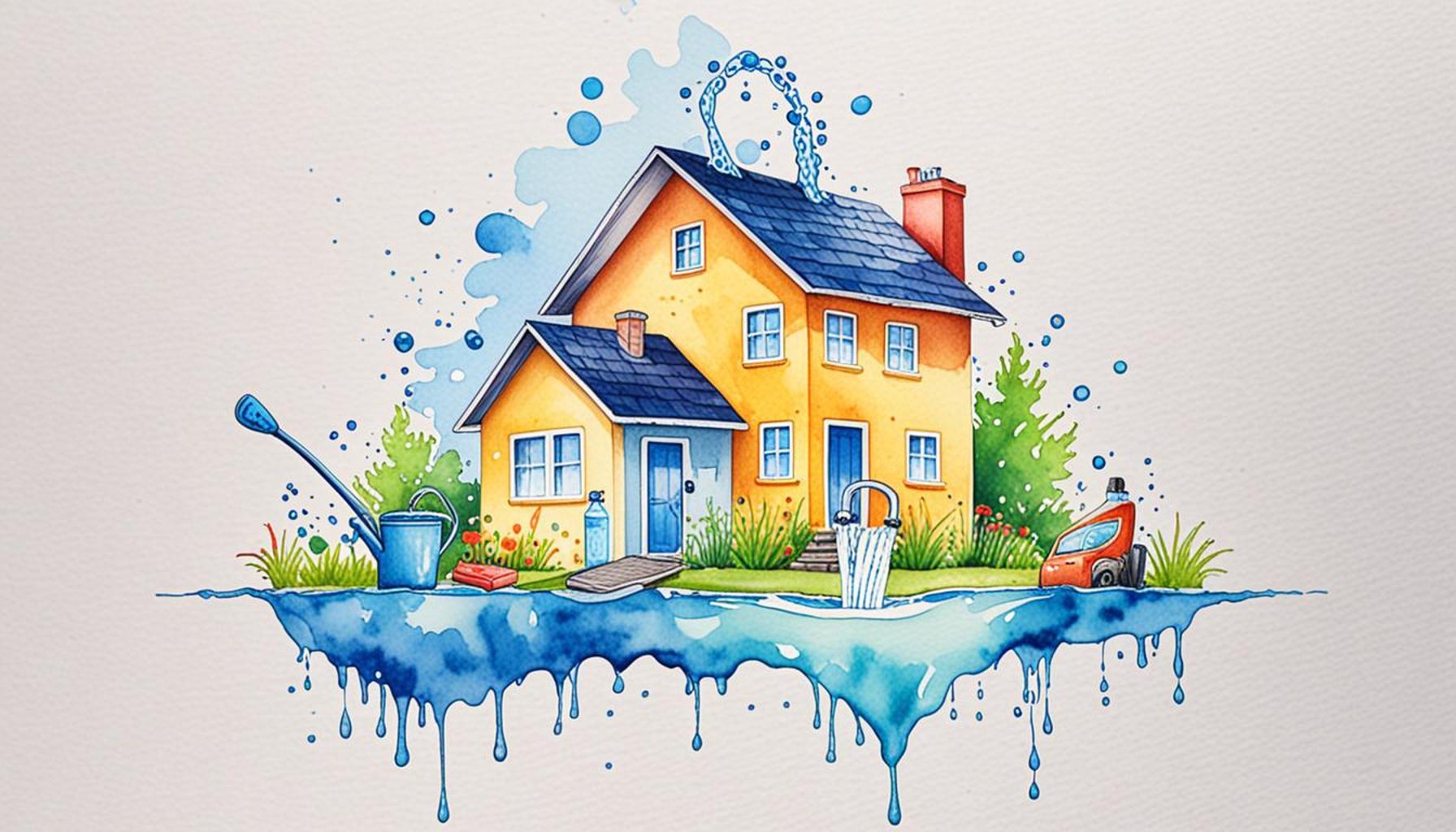
Another critical factor in creating a sustainable cleaning schedule is water conservation. Simple strategies can significantly reduce water waste during cleaning tasks. For example, try limiting the use of running water while scrubbing dishes or opt for a basin instead to soak and rinse. When mopping floors, consider using a spray mop with a refillable reservoir, as this reduces water consumption compared to traditional bucket methods. Even small adjustments, like using damp cloths for dusting, can minimize the need for frequent rinses and contribute to overall water savings.
Waste Reduction
Waste reduction plays a vital role in fostering a sustainable cleaning routine. Implementing strategies to recycle and repurpose materials can dramatically decrease the environmental footprint of your cleaning activities. For instance, instead of purchasing new sponges and scrubbers, consider using old t-shirts or other fabric scraps as cleaning rags. Moreover, seek out brands that offer refillable or recyclable packaging for their cleaning products. The movement towards zero waste encourages consumers to rethink their purchasing habits and invest in durable, multi-purpose tools that stand the test of time.
By thoughtfully reevaluating your cleaning habits, you not only contribute to a healthier home but also embrace a commitment to environmental responsibility. This paradigm shift not only nurtures your immediate environment but can also foster a broader, collective effort towards sustainability. As each individual implements small but significant changes, these actions ripple outward, inspiring those around us to embark on a similar path. Look closer at your cleaning practices and consider how embracing eco-friendly alternatives can lead to profound, positive changes for both your home and our world.
DISCOVER MORE: Click here to learn about the best cleaning tools for your home
Establishing a Sustainable Cleaning Routine
The cornerstone of any effective cleaning schedule lies in its structure and frequency. Establishing a sustainable cleaning routine is essential for maintaining a pristine environment without sacrificing the planet’s health. This approach not only promotes cleanliness but also aligns with eco-friendly principles. To achieve this balance, consider incorporating the following strategies into your cleaning schedule:
Prioritize High-Traffic Areas
When crafting your cleaning schedule, focus on high-traffic areas such as kitchens and bathrooms, which require frequent attention. By dedicating specific days to tackle these spaces, you can ensure that they remain hygienic without overusing resources. For example, cleaning your kitchen every three to four days and maintaining your bathroom once a week can help minimize the buildup of germs while employing sustainable practices.
Set a Cleaning Frequency
Another key element is determining the frequency of your cleaning tasks based on necessity rather than tradition. Ask yourself, “How often do I really need to mop the floors or dust the shelves?” Adjusting your cleaning routines to a more sustainable rhythm not only conserves resources but also helps to manage your time efficiently. Here’s a proposed framework for your cleaning schedule:
- Daily: Wipe down kitchen counters, clean dishes, and empty trash.
- Weekly: Vacuum or sweep high-traffic areas, clean bathrooms, and dust surfaces.
- Monthly: Deep clean appliances, wash windows, and declutter spaces.
- Seasonally: Conduct a thorough clean-up of closets, storage spaces, and seasonal decorations.
This tiered approach allows you to create a manageable cleaning schedule that optimizes effort while remaining environmentally responsible. Additionally, by combining tasks with similar objectives, you can streamline your cleaning efforts further. For instance, you could schedule dusting and vacuuming back-to-back, reducing the time it takes to set up and clean each area while ensuring that dust does not settle once you’ve cleaned the surfaces.
Implement Green Practices
When it comes to sustainability, every decision counts. Make it a habit to incorporate green practices into your cleaning routine. For instance, instead of disposable dusters and cleaning pads, opt for washable microfiber cloths that can be reused over and over again, reducing waste significantly. Form a habit of making eco-conscious choices with the cleaning supplies you use, ensuring that you have an ample supply of natural alternatives readily available.
By aligning your cleaning schedule with sustainable practices, you position yourself as a proactive participant in the larger movement toward environmental stewardship. This not only safeguards the health of your family but also contributes positively to the planet’s wellbeing. As you explore innovative ways to enhance your routine, remember that small, consistent efforts can lead to substantial results.
| Category | Advantages |
|---|---|
| Eco-Friendly Products | Utilizing biodegradable cleaners reduces harmful chemicals entering ecosystems, protecting wildlife and waterways. |
| Strategic Scheduling | A thoughtful cleaning schedule can maximize efficiency, minimizing resource use and energy consumption during cleaning tasks. |
| Waste Reduction | Implementing a plan that reduces single-use products helps lower waste and promotes recycling practices. |
| Time Management | Efficient time allocation not only aids in keeping spaces clean, but also encourages sustainable living habits within households. |
As you integrate these categories into your cleaning schedule, consider how each aspect not only addresses cleanliness but also carves a pathway toward a more sustainable lifestyle. The focus on eco-friendly alternatives, combined with a strategy that emphasizes time and resource efficiency, creates an environment where cleanliness and environmental responsibility coexist harmoniously. Each cleaning task can serve as an opportunity to reflect on larger goals of sustainability, bridging the gap between daily routines and broader ecological impacts. Embracing these principles invites individuals to rethink their approaches and contribute positively to the planet.
DON’T MISS: Click here to learn why regular maintenance matters
Integrating Sustainability into Your Cleaning Products
An essential aspect of a sustainable cleaning schedule revolves around the products you choose for your cleaning tasks. Selecting eco-friendly alternatives not only impacts your household’s health but also significantly reduces your carbon footprint. Start by auditing your current cleaning supplies—identify those that contain harsh chemicals, contribute to indoor air pollution, or come with excessive packaging. Transitioning to green cleaning products can be both effective and affordable.
Choose Natural Ingredients
Consider creating your own cleaning solutions using natural ingredients that are often found in your kitchen. For instance, vinegar, baking soda, and lemon juice have proven antimicrobial properties and can effectively tackle a wide array of cleaning challenges. A simple all-purpose cleaner can be made by mixing one part white vinegar with one part water in a spray bottle. This solution can serve as a powerful cleaner for countertops, windows, and even bathrooms, ensuring that your space is not only clean but also toxin-free.
In addition to homemade cleaners, many brands now offer biodegradable options formulated from plant-based ingredients. These cleaners maintain high cleaning efficacy while being gentle on the environment. Look for labels indicating certifications, such as the Green Seal or EPA Safer Choice, as they signify a commitment to sustainable practices.
Optimize Your Cleaning Tools
When evaluating your cleaning tools, it’s crucial to focus on durability and sustainability. Instead of disposable mops or single-use dusters, invest in long-lasting, reusable tools that are made from sustainable materials. For example, a high-quality microfiber mop can capture dirt and dust without the need for chemical cleaners, greatly reducing your household’s environmental impact. Over time, these investments save money and promote a cleaner planet.
Another consideration is the power of traditional cleaning methods. Embrace a minimalist approach with tools that require less energy—like a good old-fashioned broom instead of a vacuum cleaner when cleaning small areas or using a simple cloth instead of electric dusting devices. This not only promotes sustainability by conserving energy but also brings a sense of nostalgia to your cleaning routine.
Incorporate Waste Reduction Strategies
Waste reduction should be a core principle in your cleaning schedule. Establish a system to manage waste effectively by utilizing a three-bin system for recycling, composting, and general waste. Streamlining waste management allows you to use cleaning products and tools that contribute to less landfill waste and encourages conscious disposal habits.
- Recycling: Ensure recyclable materials are correctly sorted and disposed of properly.
- Composting: Implementing a compost bin for organic waste can significantly reduce household waste and benefit your garden.
- Upcycling: Consider repurposing old t-shirts into cleaning rags, which can save money and lessen fabric waste.
By fostering a culture of sustainability within your cleaning routines, you not only promote a healthier home but also engage in a larger conversation about environmental responsibility. As the cleaning industry evolves, so too can your habits, ensuring that the choices you make today lead to a cleaner and more sustainable world for future generations.
DISCOVER MORE: Click here to learn how to craft your perfect cleaning schedule
Conclusion: A Pathway to Sustainable Cleanliness
In conclusion, establishing a cleaning schedule that promotes sustainability is not only beneficial for the environment but also enhances the health and well-being of your household. By consciously selecting eco-friendly products, optimizing your cleaning tools, and adopting waste reduction strategies, you create an effective, sustainable cleaning routine that aligns with environmental responsibility. Transitioning to green cleaning solutions made from natural ingredients can reduce exposure to harmful chemicals and minimize your household’s ecological footprint.
Moreover, incorporating innovative practices such as upcycling and adopting a minimalist approach to cleaning will encourage a more sustainable mindset. The benefits of a cleaner home extend beyond mere aesthetics; they contribute to global sustainability efforts that are increasingly vital in today’s climate-conscious society. By making thoughtful choices and prioritizing the longevity of your cleaning supplies, you not only save money over time but also play an active role in protecting the planet.
Ultimately, a sustainable cleaning schedule empowers individuals and families to make a profound impact on their surroundings. As you reevaluate your cleaning habits, remember that small changes, when multiplied across households, can lead to significant positive environmental outcomes. By striking a balance between cleanliness and responsibility, you lay the groundwork for a healthier future—for yourself, your community, and upcoming generations.

Linda Carter
Linda Carter is a home organization writer and cleaning efficiency specialist who helps households maintain spotless spaces with minimal effort. With extensive experience developing smart cleaning systems and preventive maintenance routines, she shares practical strategies on our platform for streamlining chores and preserving home value. Her goal is to empower homeowners with time-saving techniques and proactive care strategies to create cleaner, healthier, and more manageable living environments.