
Incorporating Minimalism: Strategies for Reducing Clutter to Simplify House Maintenance

Embrace a Simpler Lifestyle
Living in a clutter-free environment brings profound benefits that extend beyond mere aesthetics. Minimalism invites you to streamline your living space and daily routine, resulting in easier house maintenance, reduced stress, and heightened peace of mind. As lives become increasingly hectic in today’s fast-paced society, more individuals are seeking ways to simplify their surroundings and, in turn, their lives.
Consider these compelling reasons for adopting a minimalist approach:
- Improved Mental Clarity: Fewer distractions lead to better focus. Studies show that individuals in cluttered environments often feel overwhelmed, which can hinder productivity. By decluttering your space, you create an atmosphere conducive to creativity and mindfulness.
- Easier Cleaning: Less stuff means less to dust, vacuum, or organize. For example, a living room with minimal furniture is not only easier to clean but also feels more inviting, encouraging family gatherings and relaxation.
- Financial Savings: Investing in quality over quantity can save money in the long run. Instead of buying multiple low-quality items, spending on fewer, high-quality pieces can lead to fewer replacements and zero excess waste.
American homes, often overflowing with items collected over the years, can greatly benefit from focused decluttering efforts. The key is not just to remove items but to be intentional about the possessions you choose to keep. Here are a few strategies to consider:
- Practice the One-In, One-Out Rule: For every new item brought into the home, remove one existing item. This simple rule can help regulate consumption and prevent accumulation.
- Set Decluttering Goals: Start small, focusing on one room or area at a time, preventing the task from becoming overwhelming. For instance, dedicate a weekend to decluttering your closet; you may find clothes you haven’t worn in years.
- Shift Your Mindset: Evaluate the emotional attachment to items before deciding their fate. Items that hold sentimental value can often be photographed and stored digitally, allowing you to cherish memories without physically holding onto clutter.
The journey to minimalism is personal and transformative. Exploring these strategies can help you cultivate a harmonious living space that not only simplifies maintenance but also enhances your quality of life. Engaging with the minimalist community, whether online or in local groups, can provide additional support and inspiration. As more people in the United States prioritize mental well-being and simplicity, it’s increasingly clear that living minimally can lead to a more fulfilling existence.
Ultimately, embracing a simpler lifestyle isn’t just a trend—it’s a profound shift towards intentional living. For those ready to take action, the rewards of a decluttered life are well worth the effort. Are you ready to join the movement?
DISCOVER MORE: Click here for efficient cleaning tips
Effective Decluttering Techniques
To embark on the journey toward minimalism, implementing effective decluttering techniques is crucial. These strategies not only help in reducing clutter but also create a sustainable environment that simplifies house maintenance in the long run. Here are some insightful methods to streamline your belongings and enhance the simplicity of your living space:
- The Four-Box Method: This technique involves labeling four boxes for different categories: keep, donate, trash, and relocate. As you go through your items, place each one into the appropriate box. This visual organization can help you make quicker decisions about what to keep and what to let go. It’s an effective way to evaluate your possessions and visibly see the space you are clearing.
- Adopt a Seasonal Approach: Every season offers a fresh perspective on your belongings. At the start of each season, a quick evaluation can reveal which items you haven’t used in months and are simply taking up space. For instance, during the spring cleaning phase, assess winter clothing and accessories; if they haven’t been used, consider donating or selling them.
- Digital Decluttering: Minimalism extends beyond physical items—your digital space requires attention too. Spend time sorting through files and photos on your devices, deleting those that are unnecessary. Not only will this reduce digital clutter, but it will also improve your productivity and potentially enhance your device’s performance.
According to a study published by the American Psychological Association, a tidy environment positively correlates with a person’s well-being. When your space is organized, anxiety levels decrease, and your home feels more welcoming. Implementing these techniques can contribute significantly to your mental clarity and overall happiness.
Additionally, don’t overlook the potential rewards of a streamlined lifestyle concerning current trends. The minimalist movement is gaining traction across the United States, with many individuals embracing its principles to foster a sense of freedom and flexibility. By understanding the principles behind minimalism, such as intentional living and quality over quantity, you can cultivate a home that not only reflects your values but is also easier to maintain.
As you progress on this minimalist journey, remember that it’s not solely about devoiding yourself of possessions. Instead, it’s about creating a space filled with the items that truly add value to your life. Resisting the temptation to hold on to unnecessary belongings is a powerful step toward reducing clutter and simplifying maintenance, paving the way for a less stressful way of living.
Embracing Minimalism in Daily Life
Incorporating minimalism is not merely about decluttering one’s physical space but extends to adopting a lifestyle choice aimed at simplifying life. When you reduce unnecessary possessions, you simultaneously reduce stress and create a clearer mental environment. Engaging in a minimalist mindset encourages homeowners to prioritize essential items that bring joy or serve a practical purpose. This shift leads to an increased appreciation for the items that fill your space, which can be incredibly liberating.A useful strategy to start this journey is the one-in-one-out rule: for every new item you bring into your home, consider donating or discarding an existing one. This not only helps maintain a manageable inventory but also reinforces intentional choices about what you own. Pairing this with regular organizational habits, like designated clean-up days, can also streamline house maintenance tasks, making them less daunting.
Creating a Minimalist Home Environment
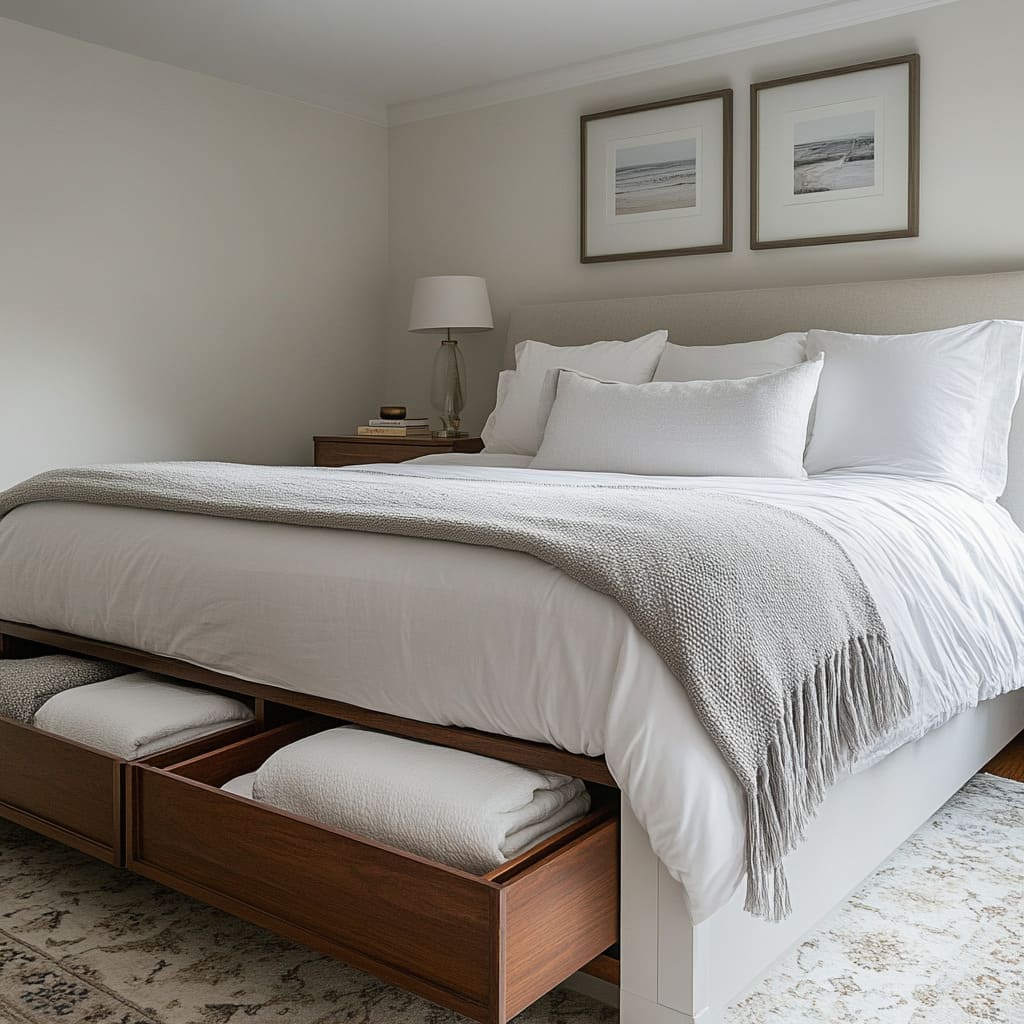
The design of your living space significantly affects your day-to-day enjoyment and ease of upkeep. Incorporating elements of minimalism in home décor empowers you to create a serene atmosphere that enhances your quality of life. Consider investing in multi-functional furniture that reduces the need for excessive items. For example, a storage ottoman not only provides seating but also helps organize clutter.Moreover, minimizing visual distractions can be pivotal in maintaining a peaceful home environment. Opt for a harmonious color palette and limit decorative items to a select few that resonate with your personal style. Utilizing natural light and open spaces can create an illusion of a larger area, making home maintenance feel less overwhelming.Lastly, digital decluttering plays a vital role in embracing minimalism. Unsubscribe from unnecessary emails, organize files on your device, and reduce your digital footprint. This not only allows for ease of access to important information but also promotes a sense of clarity, mirroring the physical decluttering efforts in your home. The journey towards minimalism is continuous; each step you take aids in simplifying house maintenance while enriching your everyday life.
DISCOVER MORE: Click here to unlock valuable insights
Creating a Minimalist Mindset
Adopting a minimalist approach requires more than physical changes to your living space; it calls for a shift in your mindset. Understanding the psychological underpinnings of your attachment to belongings can significantly aid in decluttering. Here are several strategies to cultivate a minimalist mindset that supports a clutter-free environment:
- Practice Mindfulness: Mindfulness is the act of being present in the moment and fully experiencing it without distraction. This practice can help you critically evaluate the role each item plays in your life. By being more aware of your surroundings, you can identify objects that create mental clutter and emotional baggage. Consider keeping a journal to document your feelings about certain items, which may help clarify what to keep and what to release.
- Set Intentional Goals: Establish specific, realistic goals for your decluttering journey. Instead of overwhelming yourself with the idea of decluttering your entire home at once, set smaller, actionable objectives. For example, commit to decluttering one room per week or even one drawer per day. Goals that are attainable can keep you motivated and make the task of minimizing less daunting.
- Embrace the One-In, One-Out Rule: This simple yet powerful principle stipulates that for every new item you bring into your home, you must remove one existing item. Adopting this rule can prevent the accumulation of excess possessions and help maintain a balanced living space. It encourages mindfulness about new purchases, prompting you to consider whether an item is truly necessary or simply an impulse buy.
- Visualize Your Ideal Space: Picture what a clutter-free environment looks like to you. Visualization can motivate you to take the necessary steps toward achieving that lifestyle. Create mood boards, whether digitally or physically, that embody the aesthetic and functional features you desire in your home. This will provide you with a visual reminder of your goals as you declutter.
Incorporating a minimalist mindset not only facilitates the decluttering process but also cultivates a deeper appreciation for the items you choose to keep. Engaging in regular reflections about your belongings encourages you to understand their impact on your well-being and stress levels. As you simplify your environment, you may notice that it enhances your motivation to maintain your space more efficiently.
Furthermore, research shows that a less cluttered environment contributes to improved focus and productivity. A study conducted by the Institute for Neuroscience and Psychology at the University of Glasgow found that a clutter-free workspace leads to better cognitive performance, particularly in multitasking and decision-making tasks. This is an essential consideration for those working from home or managing a busy family life.
Additionally, maintaining a minimalist approach can foster sustainable living practices. By choosing quality over quantity and opting for durable, timeless items, you can contribute to environmental conservation. This aligns with current sustainability trends, where consumers are becoming increasingly conscious of the impact of their consumption habits on the planet.
In summary, the journey towards minimalism encompasses both physical decluttering and a shift in how one perceives their possessions. Embracing this holistic approach not only simplifies house maintenance but also lays the foundation for a more intentional and meaningful lifestyle. By taking small, thoughtful steps, you empower yourself to create a space that embodies freedom, clarity, and ease.
DISCOVER MORE: Click here to find out how to create a cleaning schedule that works for your family</
Embracing Minimalism for a Simplified Life
As we navigate the complexities of modern living, incorporating minimalism emerges as a transformative strategy for reducing clutter and simplifying house maintenance. The journey towards a minimalist lifestyle is not solely about decluttering physical possessions; it is a profound mindset shift that enhances our overall well-being. By practicing mindfulness, setting intentional goals, and visualizing our ideal spaces, we create an environment where clarity and focus flourish. Notably, research indicates that a clutter-free environment promotes better cognitive performance, making it particularly beneficial for busy households and remote workers alike.
The One-In, One-Out Rule serves as a practical tool to maintain balance, encouraging a mindful approach to consumption that resonates within the growing movement for sustainability. This not only fosters better house maintenance but contributes to a healthier planet, aligning with the values of responsible living.
Ultimately, embracing minimalism invites individuals to reflect on their possessions and the emotional ties that bind them. As we learn to appreciate the few items we choose to keep, we cultivate a sense of freedom that extends beyond the physical realm. For those eager to embark on or continue their decluttering journey, the insights shared here serve as a guiding light. With gradual, thoughtful steps, you can cultivate a lifestyle that embodies simplicity, peace, and sustainable living—transforming not just your space, but your entire way of life.

Linda Carter
Linda Carter is a home organization writer and cleaning efficiency specialist who helps households maintain spotless spaces with minimal effort. With extensive experience developing smart cleaning systems and preventive maintenance routines, she shares practical strategies on our platform for streamlining chores and preserving home value. Her goal is to empower homeowners with time-saving techniques and proactive care strategies to create cleaner, healthier, and more manageable living environments.