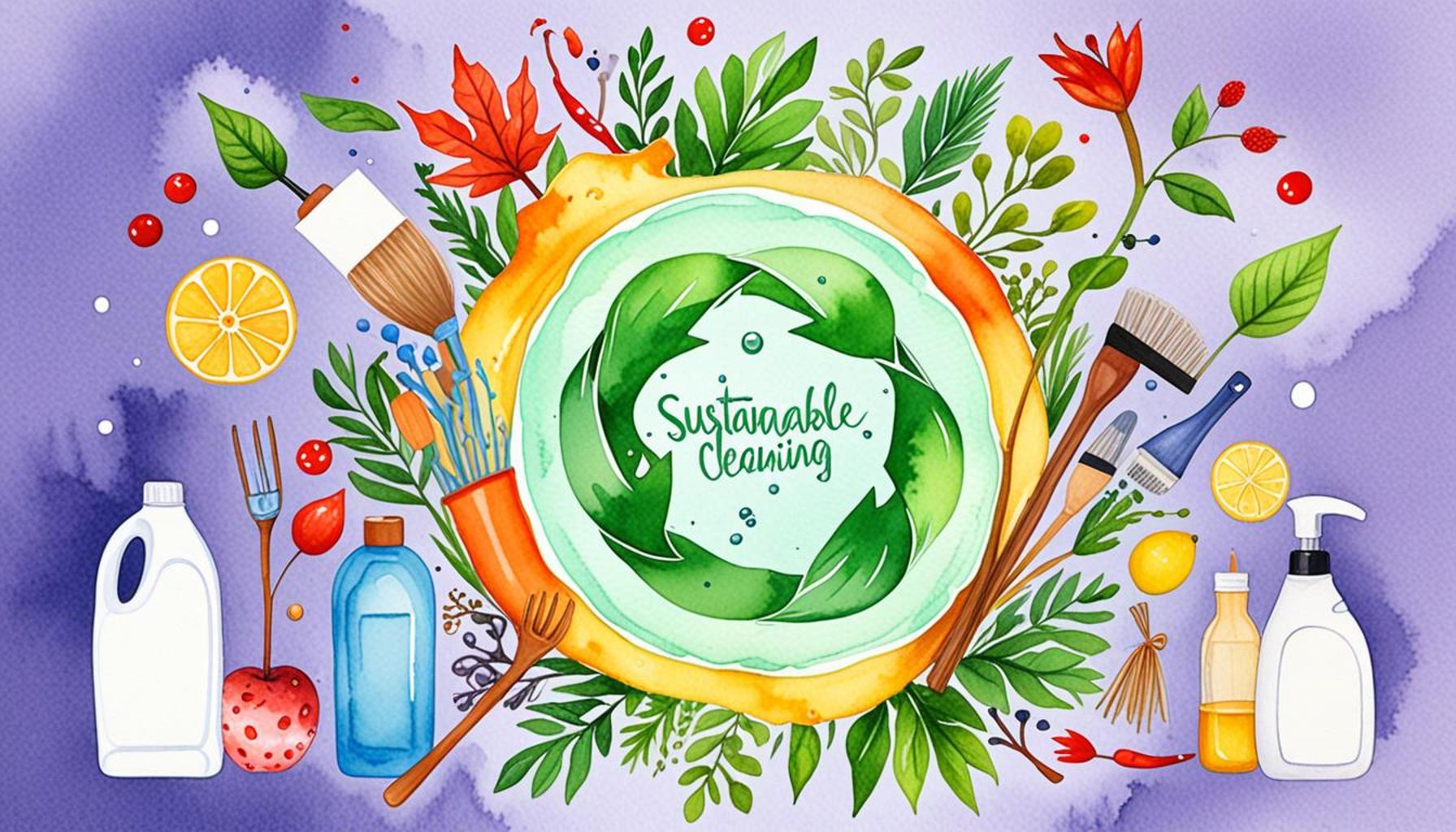
The Role of Indoor Air Quality: Using Biodegradable Products for a Healthier Home Environment

Understanding Indoor Air Quality
Indoor air quality (IAQ) is a critical yet often overlooked aspect of our daily lives that significantly influences our health and well-being. Various factors contribute to IAQ, including the materials and products we choose to use in our homes. Poor IAQ can lead to a variety of health issues ranging from mild respiratory problems, like coughing and wheezing, to serious conditions like asthma and chronic obstructive pulmonary disease (COPD). For instance, according to the Environmental Protection Agency (EPA), many Americans spend as much as 90% of their time indoors, making the quality of indoor air particularly important.
Why Focus on Biodegradable Products?
Choosing biodegradable products is crucial for several compelling reasons:
- Reduced Toxic Emissions: Many conventional household cleaning agents, air fresheners, and personal care products emit volatile organic compounds (VOCs). These harmful chemicals can linger in the air and even contribute to long-term health effects. In contrast, biodegradable products often utilize natural ingredients that pose little threat to indoor air quality.
- Environmental Impact: Biodegradable options contribute positively to environmental sustainability. Unlike traditional plastics and synthetic products that can take centuries to decompose, biodegradable materials break down more rapidly, significantly reducing landfill waste. This characteristic not only protects the planet but also enhances your home’s overall quality by minimizing pollutants that can circulate back indoors.
- Enhanced Safety: Homes with children and pets need special consideration when it comes to hazardous household chemicals. Biodegradable products tend to be formulated to be safer and non-toxic, thereby reducing the risk of accidental exposure to harmful substances, which can result in allergies or poisoning.
The Benefits of a Healthier Home Environment
A focus on improving IAQ can transform your living space into a sanctuary of health and comfort. Improved indoor air quality can lead to:
- Better Respiratory Health: Cleaner air is paramount for individuals with asthma or allergies, as it contributes to fewer asthma attacks and minimizes allergy symptoms. Research shows that homes with good air quality can lead to a significant reduction in respiratory-related hospital visits.
- Increased Productivity: A fresh and clean atmosphere boosts concentration and effectiveness, particularly in settings like home offices. Studies have indicated that improved lighting and air quality can enhance cognitive function, leading to increased productivity levels.
- Overall Well-being: The air quality within your home doesn’t just affect your physical health; it impacts your emotional well-being too. A healthier environment can positively influence your mood, energy levels, and even your sleep quality, making it essential to consider IAQ in your daily life.
In this article, we will dive deeper into the essentials of indoor air quality and the role biodegradable products play, leading you toward a healthier home environment that supports not just physical health but also mental well-being. The path to a healthier abode starts with informed choices, and understanding IAQ is a crucial step in that journey.
DON’T MISS: Click here to learn how to maintain your space effortlessly
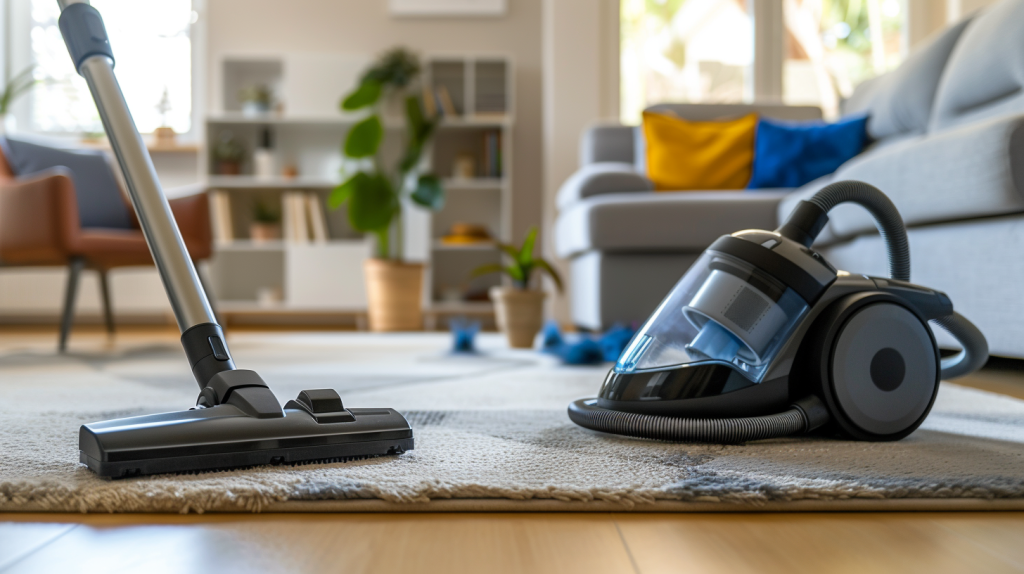
The Connection Between Indoor Air Quality and Biodegradable Products
As we delve deeper into the realm of indoor air quality (IAQ), it’s essential to understand how our choices in household products directly impact air purity. Traditional cleaning agents, with their complex chemical compositions, emit harmful pollutants that simply cannot be ignored. For instance, products containing ammonia or chlorine can release irritants into the air, exacerbating respiratory issues and compromising overall health. In contrast, biodegradable products are formulated with natural ingredients that minimize the release of these harmful chemicals, promoting a more sustainable home environment.
The Science Behind Volatile Organic Compounds
One of the primary concerns of poor IAQ is the presence of volatile organic compounds (VOCs). These are organic chemicals that can easily become vapors or gases from certain solids or liquids. Common sources of VOCs in homes include:
- Paints and varnishes
- Cleaning products
- Disinfectants
- Air fresheners
- Fuels
Research from the EPA indicates that concentrations of many VOCs can be up to ten times higher indoors than outdoors. Prolonged exposure may lead to significant health complications, including headaches, damage to liver, kidney, and central nervous system, not to mention the potential for increased cancer risk. By opting for biodegradable products, you can effectively reduce the amount of VOCs released into your indoor air.
Choosing Biodegradable Products: What You Need to Know
When making the switch to biodegradable products, it’s essential to consider what ‘biodegradable’ truly means. Generally, these products are crafted from natural materials that can decompose through biological processes, minimizing environmental impact. However, not all biodegradable items are created equal. Here are a few tips for selecting genuinely eco-friendly options:
- Look for certifications: Recognize labels like USDA Organic or Green Seal, which indicate manufacturing sustainability.
- Research ingredients: Familiarize yourself with product ingredients to ensure they are derived from renewable sources and free from harmful chemicals.
- Opt for multipurpose products: This can significantly cut down on the number of products you need, further reducing overall VOC levels in your home.
Integrating biodegradable products into your cleaning arsenal is not just about protecting the environment; it’s about fostering a healthier, safer indoor environment. With improved indoor air quality, every breath taken in the home can contribute positively to your family’s well-being, reducing health risks and enhancing quality of life.
In our next section, we will explore practical ways to assess and improve your indoor air quality, paving the way for a healthier living space.
| Advantage | Description |
|---|---|
| Improved Indoor Air Quality | Using biodegradable products significantly reduces harmful emissions and toxins, enhancing air purity. |
| Environmental Sustainability | Opting for biodegradable options minimizes waste and supports a sustainable lifestyle, contributing to a healthier planet. |
Indoor air quality plays a crucial role in our overall health. Research indicates that poor air quality can lead to various health issues, such as respiratory problems and allergies. By incorporating biodegradable products into your home, you not only foster a cleaner living environment but also enhance your well-being. These products often contain natural ingredients, making them less likely to emit harmful substances that can degrade air quality.Moreover, the shift towards biodegradable products aligns with a growing trend of environmental awareness. Consumers today are increasingly interested in making choices that reflect their values. Supporting biodegradable options not only contributes to personal health but also sends a powerful message about the importance of sustainability. Utilizing such products can not only enhance the indoor atmosphere but also promote an eco-friendly lifestyle, encouraging others in your community to follow suit. As awareness of the detrimental effects of synthetic materials burgeons, the market for biodegradable options expands, offering a plethora of selections for conscientious consumers.
DISCOVER MORE: Click here for innovative cleaning tips
Enhancing Indoor Air Quality Through Sustainable Choices
As awareness of the importance of indoor air quality (IAQ) continues to grow, the spotlight shifts towards not only the origins of pollutants but also the methods we can employ to remedy these challenges. One of the most effective pathways to tackle IAQ concerns is through the use of biodegradable products. But how exactly do these products play a role beyond merely swapping out traditional cleaners? Understanding their multifaceted benefits can influence our choices and promote a healthier home environment.
Health Benefits of Reducing Toxic Exposure
The benefits of utilizing biodegradable products extend far beyond environmental concerns. By minimizing exposure to toxic chemicals typically found in cleaning products, households can experience tangible health improvements. For instance, a study conducted by the American College of Allergy, Asthma, and Immunology found that air quality was a critical factor affecting asthma and allergy sufferers. Homes using natural, biodegradable cleaners reported fewer instances of asthma attacks and reduced allergen triggers. This is largely due to the reduced levels of chemicals that aggravate respiratory conditions.
In addition, the World Health Organization has indicated that poor IAQ is linked to multiple health issues, including cognitive impairment and developmental problems in children. Biodegradable products, when used consistently, can help create an environment less conducive to these health risks. The shift to natural formulations might seem minor, but its implications reverberate throughout entire households, making a powerful case for their adoption.
Cost-Effectiveness of Eco-Friendly Cleaning
Another compelling argument for transitioning to biodegradable products involves their potential for long-term cost savings. While initial prices may be higher compared to traditional cleaners, the multifaceted benefits of these sustainable alternatives can lead to savings over time. For example, as biodegradable products are often multipurpose, the need to buy numerous specific cleaners is diminished. Not only does this reduce clutter, but it also lowers repeated spending.
Moreover, households that utilize biodegradable cleaners report less frequent maintenance of household surfaces, with natural products often being less corrosive. This longevity translates to fewer costs in replacement items, whether it’s your kitchen counter or your environmental footprint. Such spending efficiency ties directly into the broader narrative of sustainability, making it a financially sound decision as much as an environmentally responsible one.
The Role of Lifestyle Changes in Air Quality
Incorporating biodegradable products offers a unique opportunity for families to re-evaluate their overall lifestyle. These changes can serve as a catalyst for adopting other eco-friendly practices, including better ventilation and the use of indoor plants to naturally purify air quality. The synergy between biodegradable products and these complementary practices can lead to even greater improvements in IAQ. For example, specific plants, such as spider plants or peace lilies, can not only beautify your home but also absorb indoor toxins, working in harmony with natural cleaning solutions.
Families are encouraged to create a “green home team,” educating all members about the importance of cleaning with biodegradable products. This collective effort nurtures responsibility towards maintaining a healthy indoor environment and can even be a fun and engaging project for households, incorporating educational moments about the benefits of sustainability.
As we continue this journey towards enhanced IAQ, the collective action of choosing biodegradable products represents a pivotal step towards cultivating healthier indoor spaces. In the following section, we will explore actionable strategies to assess and elevate your indoor air quality further, guiding your family towards an even healthier living environment.
DISCOVER MORE: Click here to learn how to streamline your cleaning process
Conclusion: A Healthier Home Awaits
In conclusion, improving indoor air quality (IAQ) is a crucial aspect of cultivating a safe and healthy home environment. The adoption of biodegradable products emerges as a powerful and effective means to mitigate common indoor pollutants while enhancing our overall well-being. As highlighted throughout this article, these eco-friendly cleaning alternatives not only diminish exposure to harmful chemicals but also contribute to significant health benefits, particularly for vulnerable populations such as children and individuals with respiratory conditions.
Moreover, biodegradable products offer an economic advantage by reducing long-term cleaning costs through their multifunctional nature and lower maintenance needs. This financial incentive, combined with a commitment to sustainability, positions the shift to biodegradable options as a wise choice for both household budgets and the planet.
As families embark on this journey toward better IAQ, they are encouraged to foster a holistic approach that includes other eco-conscious practices, such as improved ventilation and the integration of indoor plants for natural air purification. This collective transition not only supports a healthier living space but can also empower households, creating a shared sense of responsibility and promoting a deeper understanding of sustainable living.
Ultimately, the path to a healthier home environment is paved with informed choices and community effort. By embracing biodegradable products and promoting awareness around indoor air quality, we can collectively contribute to healthier homes and a brighter future. It’s time to take actionable steps towards transforming our environments and safeguarding our family’s health, one cleaning product at a time.

Linda Carter
Linda Carter is a home organization writer and cleaning efficiency specialist who helps households maintain spotless spaces with minimal effort. With extensive experience developing smart cleaning systems and preventive maintenance routines, she shares practical strategies on our platform for streamlining chores and preserving home value. Her goal is to empower homeowners with time-saving techniques and proactive care strategies to create cleaner, healthier, and more manageable living environments.