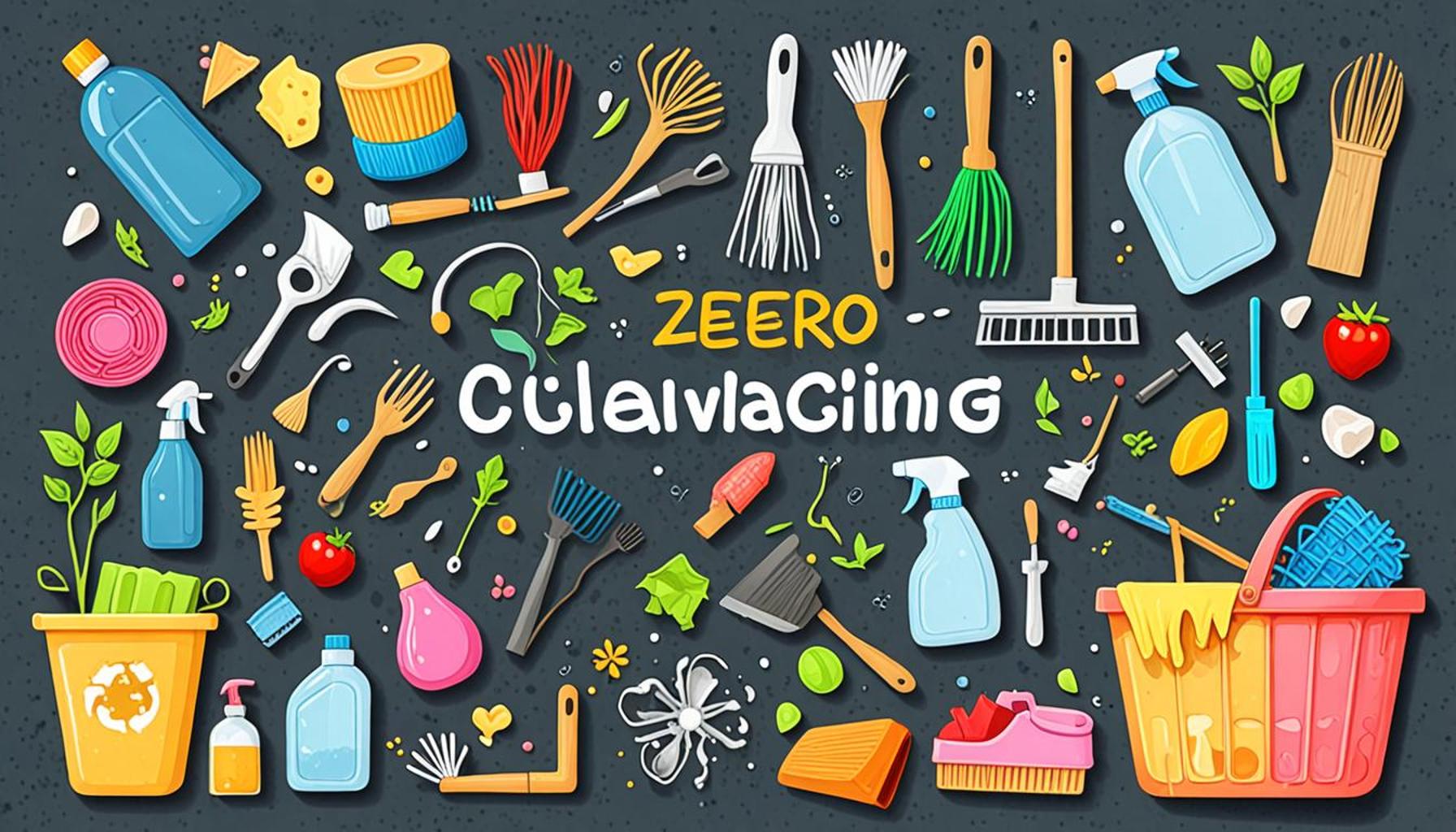
Zero-Waste Cleaning: Creative Ways to Reduce Waste in Your Cleaning Routine
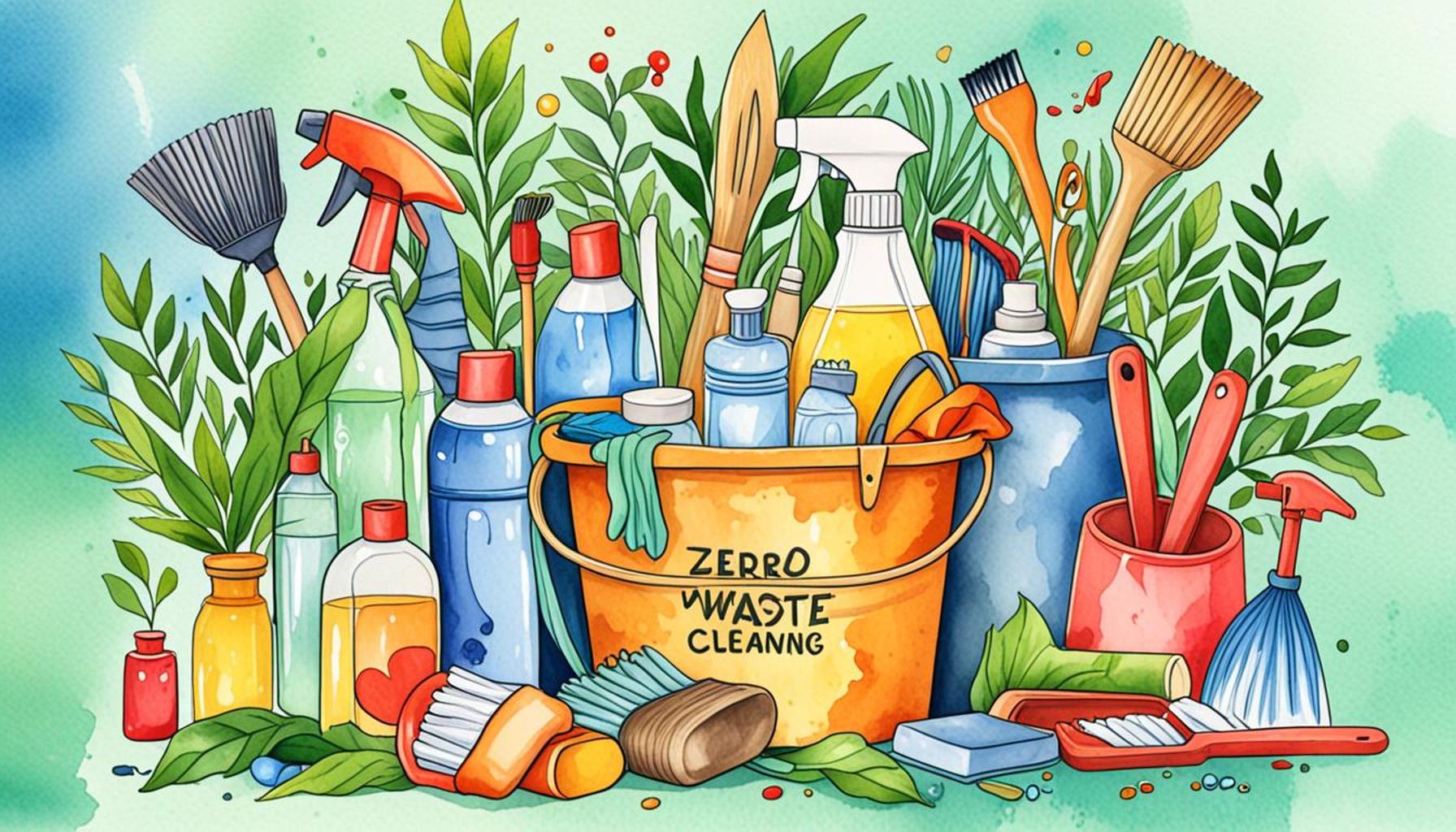
The Importance of Going Zero-Waste in Cleaning
In our fast-paced world, the impact of disposable products and chemical-laden cleaners has become increasingly apparent. With plastic pollution at an all-time high and the harmful effects of conventional cleaning supplies on both our health and the environment, the move towards zero-waste cleaning is more important than ever. This approach not only seeks to eliminate waste but also encourages the use of safe, non-toxic materials that promote a healthier living space.
What Does Zero-Waste Cleaning Look Like?
Implementing a zero-waste cleaning routine can seem daunting, but it is an achievable goal with small, manageable changes. Here are some practical components that can transform your cleaning approach:
- Reusable Cloths: Transitioning from single-use paper towels to reusable cloth towels or rags is a powerful first step. Not only do these cloths cut down on waste, but they are often more effective at capturing dust and spills. Consider using old T-shirts or sheets, which can be repurposed as cleaning cloths, thereby prolonging their usefulness.
- Natural Cleaners: Ditch harsh commercial cleaners that can contribute to indoor air pollution. Common household items like vinegar, baking soda, and essential oils can be used to create effective cleaning solutions. For instance, a mixture of vinegar and baking soda can tackle stubborn bathroom grime, while a few drops of tea tree oil can act as a natural disinfectant.
- Bulk Purchases: Purchasing cleaning supplies in bulk dramatically reduces packaging waste. Many health food stores offer cleaners and other supplies in refillable containers, allowing you to bring your own bottles for refills. This not only cuts down on plastic waste but often saves you money in the long run.
The Health and Environmental Benefits
Transitioning to a zero-waste cleaning routine goes beyond simply reducing trash; it can significantly enhance your home’s health. Commercial cleaning products are often riddled with harmful chemicals that can lead to respiratory issues, skin irritations, and more. By replacing these products with natural alternatives, not only are you reducing your environmental footprint, but you’re also creating a safer environment for yourself and your family.
Your Zero-Waste Journey
Embarking on a zero-waste cleaning journey is both exciting and immensely fulfilling. Each small change in your cleaning habits contributes to a broader environmental impact, ultimately leading to cleaner homes and a healthier planet. As you experiment with these innovative methods, you may find joy in discovering new DIY recipes for natural cleaners or creative ways to extend the life of your cleaning tools.
Ready to get started on making your cleaning routine more sustainable? From using eco-friendly toolkits to sharing ideas with others interested in zero-waste living, the path towards a cleaner, greener home is filled with possibilities. Let’s take action together and contribute to a healthier environment for generations to come.
DIVE DEEPER: Click here to learn more
Innovative Strategies for Eco-Friendly Cleaning
Incorporating zero-waste cleaning solutions into your routine not only helps reduce your carbon footprint but also emphasizes sustainability and resourcefulness. As many Americans grapple with the environmental implications of conventional cleaning products, the shift towards more eco-friendly practices offers a beacon of hope. By implementing these innovative strategies, you can simplify your cleaning processes while making environmentally conscious choices that protect our planet.
Repurposing Everyday Items
One of the most creative ways to embark on a zero-waste cleaning journey is by repurposing everyday items that might otherwise be tossed aside. Before you reach for disposable cleaning tools, consider these options:
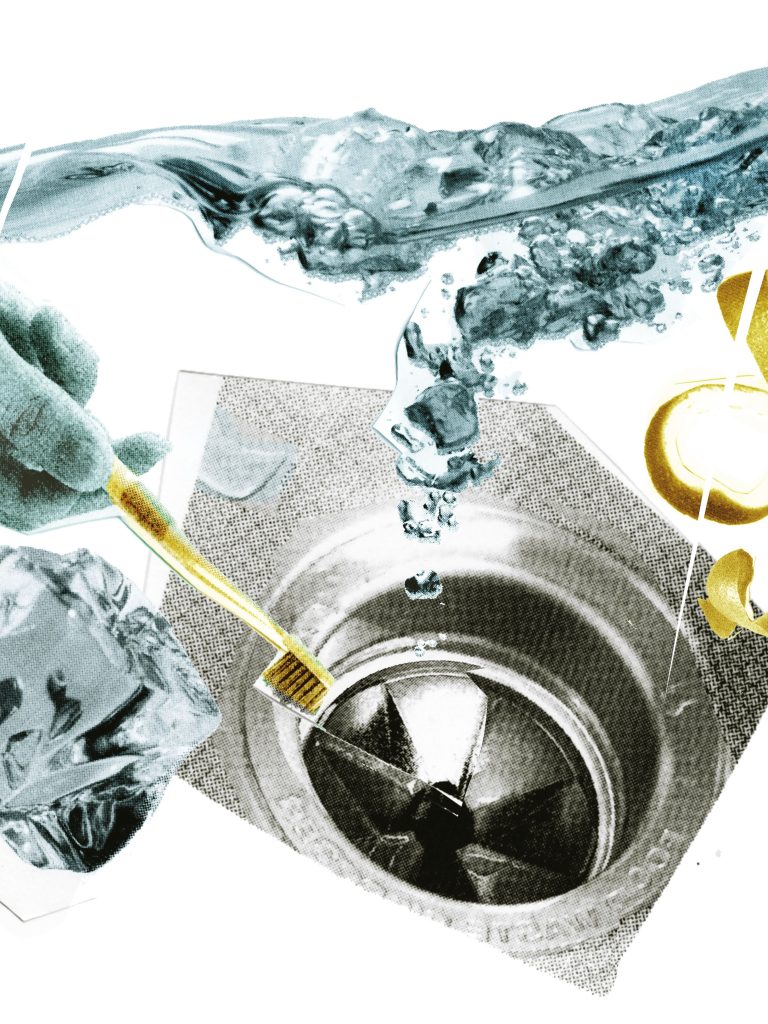
- Old Toothbrushes: Instead of throwing away your old toothbrushes, save them for scrubbing hard-to-reach areas like faucets, grout, or the backs of appliances. Their small heads can access narrow spaces where traditional brushes struggle.
- Used Lemon Peels: After enjoying a refreshing lemonade, don’t discard those peels! Lemon is a natural disinfectant and deodorizer. Use the leftover peels to wipe down cutting boards, countertops, or even to deodorize your fridge.
- Coffee Grounds: Once you’ve brewed your morning cup, save the grounds! These can be used as a gentle abrasive cleaner for scrubbing sinks, pots, and even furniture. Plus, they can absorb stubborn odors, making them a two-in-one cleaning solution.
Utilizing Eco-Friendly Tools
Making conscious choices about your cleaning tools is another essential aspect of zero-waste cleaning. Consider investing in durable, sustainable equipment that can help minimize waste over time:
- Bamboo Brushes and Mops: Opt for mops and brushes made from bamboo, a fast-growing and sustainable resource. These cleaning tools are biodegradable and generally offer a longer lifespan than their plastic counterparts.
- Reusable Mop Pads: Instead of disposable mop pads, switch to washable, reusable alternatives. Not only do they cut down on waste, but they also perform better in many cases, ultimately providing a deeper clean.
- DIY Cleaning Tools: Get creative and craft your own cleaning tools. For example, an old sock can transform into a dusting mitt, and a spray bottle can be used to hold homemade cleaning solutions, eliminating the need for store-bought plastic containers.
The Educational Journey
As you weave these innovative practices into your cleaning routine, you might discover a wealth of knowledge surrounding eco-friendly living. Dive into blogs, join online forums, or participate in community workshops focused on sustainability and zero-waste philosophies. Engaging with like-minded individuals expands your understanding and ignites your passion for creating a cleaner, greener home.
By embracing creativity in your cleaning habits, you become part of a larger movement advocating for a healthier relationship with our environment. Every small adjustment in your routine can lead to a greater impact on reducing waste and making our planet a better place to live.
Innovative Zero-Waste Cleaning Techniques
In the quest for a sustainable lifestyle, zero-waste cleaning offers a refreshing perspective, turning our everyday routines into powerful statements about environmental responsibility. As we strive to reduce our footprint, adopting simple yet effective cleaning methods can transform the way we maintain our spaces without generating unnecessary waste.
| Category | Description |
|---|---|
| Reusable Cleaning Supplies | Opt for items like washable cloths, mops, and brushes instead of disposables to significantly cut down on landfill waste. |
| Eco-Friendly Ingredients | Utilize ingredients such as vinegar, baking soda, and lemon as potent, non-toxic cleaners that eliminate the need for harsh chemicals and plastic bottles. |
Additionally, consider upcycling household items into cleaning tools. Using old newspapers for window cleaning or repurposing glass jars for storage can not only save money but also reduce waste. Engaging in zero-waste cleaning encourages creativity while also contributing to a healthier planet. Moreover, creating your own cleaning products allows for customization, ensuring they suit your needs while adhering to eco-friendly principles.
By being proactive and exploring these innovative methods, you can help to create a cleaner home environment while embracing sustainability. The future of cleaning is not just about removing dirt; it’s about doing so in a way that respects our planet. Discovering alternatives and sharing tips with friends can further promote a community-wide commitment to zero waste. As you implement these changes, each small step makes a significant impact on reducing your household’s overall waste footprint.
DIVE DEEPER: Click here to unlock the benefits of a cleaning schedule
Embracing Natural Cleaning Solutions
Transitioning to zero-waste cleaning also means reevaluating the products you use. Numerous natural ingredients not only clean effectively but also minimize your environmental impact. Here are some powerful and sustainable alternatives for your cleaning arsenal:
- Baking Soda: An incredibly versatile ingredient, baking soda can act as a deodorizer, stain remover, and gentle abrasive. Mix it with water to create a paste for scrubbing sinks and counters, or sprinkle it in your refrigerator to combat unpleasant odors.
- White Vinegar: A natural disinfectant, white vinegar can cut through grease and soap residue. Use it to clean windows, countertops, or even as a fabric softener in laundry. Diluting vinegar with water can result in efficient cleaning sprays that are both effective and eco-friendly.
- Castile Soap: Made from vegetable oils, Castile soap is biodegradable and can be used for everything from washing dishes to cleaning floors. This concentrated soap is gentle on the environment while maintaining robust cleaning properties.
Creating Your Own Cleaners
Crafting your own cleaning products not only reduces waste from traditional packaging but also ensures that you know exactly what goes into each solution. Here are a few simple recipes that you can whip up at home:
- All-Purpose Cleaner: Combine equal parts water and white vinegar in a reusable spray bottle. Add a few drops of your favorite essential oils—such as lemon or tea tree oil—for added antimicrobial properties and a pleasant scent!
- Glass Cleaner: Mix one cup of water, one cup of white vinegar, and a tablespoon of cornstarch in a spray bottle. Shake well before use. This solution will leave your glass surfaces sparkling and streak-free.
- Wood Polish: Blend one part olive oil with one part lemon juice to create a natural wood polish. Use it to nourish and shine wood furniture, while ensuring you stay clear of harmful chemicals.
Incorporating Minimalistic Practices
One of the philosophies of zero-waste cleaning revolves around minimalism. By simplifying your cleaning process, you can effectively reduce waste:
- Fewer Products: Instead of having separate cleaners for each surface, focus on creating multi-purpose solutions that can be used in various areas around your home. This not only minimizes waste but also saves you time and money.
- Decluttering Regularly: A cleaner home often requires less cleaning. Regularly decluttering your space can prevent the buildup of dust and grime, making the cleaning process far less labor-intensive.
- Mindful Purchases: When buying new cleaning tools or products, opt for those with minimal packaging, and consider their sustainability credentials. Supporting brands that prioritize eco-friendly practices reinforces the zero-waste ethos.
As you explore these methods, you’ll find the journey toward zero-waste cleaning not only benefits the environment but also enhances your overall cleaning experience. By adopting simple yet impactful changes, you actively participate in a global shift towards sustainability and eco-conscious living.
DISCOVER MORE: Click here for efficient cleaning tips
Conclusion
In embracing zero-waste cleaning, individuals not only reduce their ecological footprint but also cultivate a healthier living environment. The shift from conventional cleaning products to natural alternatives, such as baking soda, white vinegar, and Castile soap, serves as a cornerstone for this transformative journey. Not only are these ingredients effective, but they also eliminate the need for harmful chemicals that can compromise both personal health and the environment.
Additionally, creating your own cleaning solutions empowers you to take control of what you bring into your home, reducing reliance on single-use plastics. Minimalism plays a vital role in this practice; by decluttering and simplifying, you not only enhance your cleaning routine but also foster a more serene and organized space. As you consider your purchasing decisions, supporting brands committed to sustainability can further reinforce your dedication to a zero-waste lifestyle.
Ultimately, as more people adopt these creative methods, the collective impact on our planet grows significantly. This shift invites you to explore a world where cleaning doesn’t come at the expense of our environment. By implementing these strategies, you become part of a larger movement towards sustainability, consciously choosing to protect our resources for future generations. The journey to zero-waste cleaning is not just a trend; it is a commitment to making responsible choices that benefit both you and the world around you.

Linda Carter
Linda Carter is a home organization writer and cleaning efficiency specialist who helps households maintain spotless spaces with minimal effort. With extensive experience developing smart cleaning systems and preventive maintenance routines, she shares practical strategies on our platform for streamlining chores and preserving home value. Her goal is to empower homeowners with time-saving techniques and proactive care strategies to create cleaner, healthier, and more manageable living environments.