Zero-Waste Cleaning: Innovative Methods to Minimize Household Waste
Understanding the Importance of Zero-Waste Cleaning
Household waste, a consequential byproduct of modern living, plays a significant role in our environmental footprint. In the United States alone, approximately 292.4 million tons of trash were generated in 2018, with a considerable percentage comprising cleaning product waste. As concerns about climate change and pollution mount, the shift towards a sustainable lifestyle has become imperative. One such route is adopting zero-waste cleaning methods, which offer practical solutions for both individuals and households aiming to minimize their ecological impact.
Zero-waste cleaning isn’t merely about avoiding plastic; it’s about creating cleaner spaces with eco-friendly practices. Implementing these techniques not only helps to safeguard the environment but also allows families to reclaim their space from harmful chemicals often found in traditional cleaning products. Below are some effective practices that exemplify this transformative approach:
DIY Eco-Friendly Cleaners
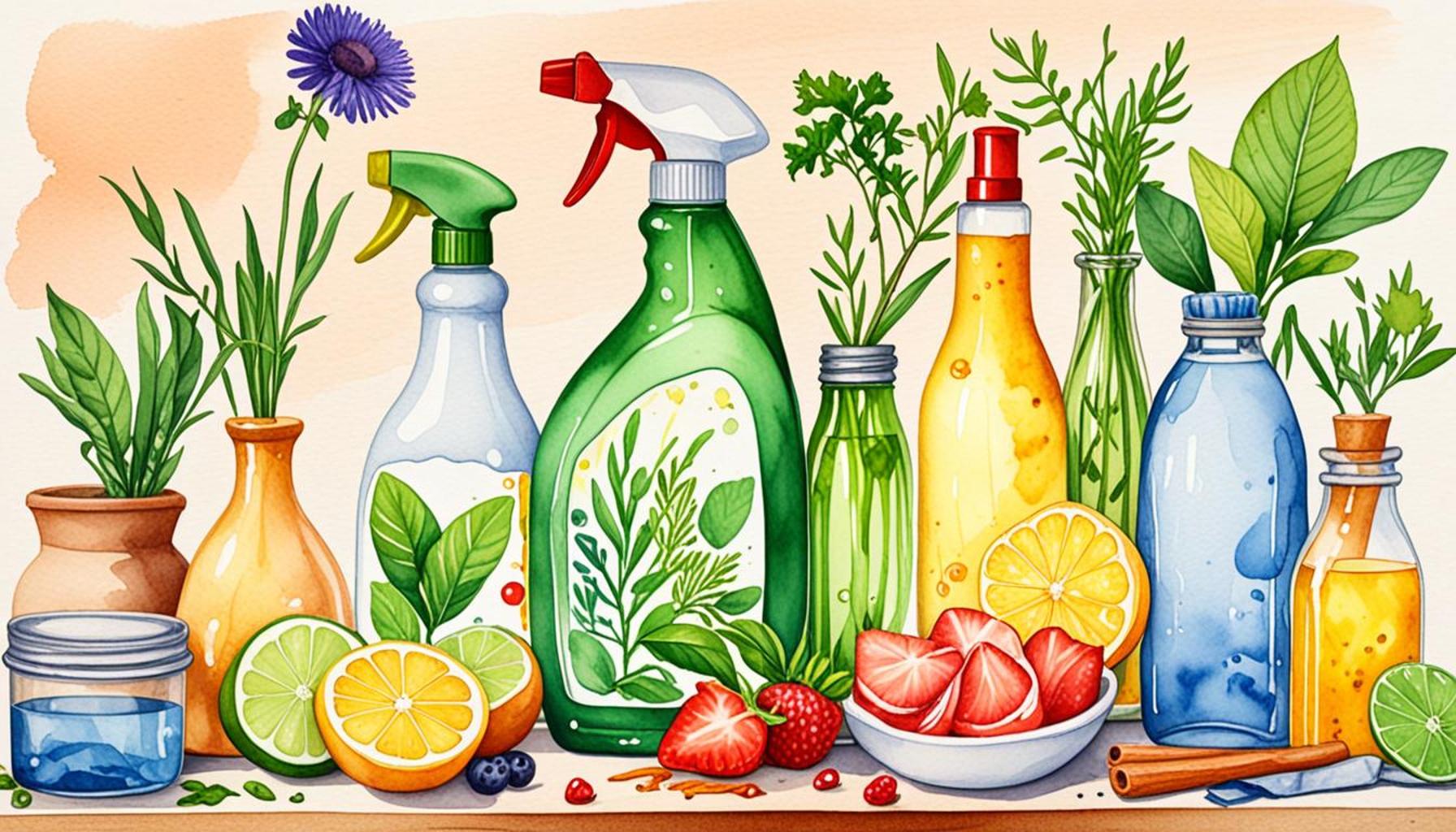
One of the most accessible ways to begin your zero-waste journey is through creating DIY eco-friendly cleaners. Ingredients such as vinegar, baking soda, and essential oils are not just safe but highly effective. For example, mixing vinegar with water can create a potent glass cleaner, while baking soda can be combined with water to form a paste that tackles stubborn stains. Essential oils not only add a pleasant scent but also possess antibacterial properties, making your cleaning efforts both effective and aromatic. This approach reduces reliance on commercial products packaged in plastic, thus minimizing waste.
Reusable Cleaning Tools
In addition to homemade cleaners, swapping out disposable cleaning tools for reusable cleaning tools is vital. Consider investing in washable microfiber cloths, which can effectively trap dust and dirt while being reusable for many cycles. Mops made from sustainable materials like bamboo or cotton are also available and can be used with your DIY cleaning solutions, further curbing the waste generated from single-use products.
Bulk Purchasing
Another impactful method is bulk purchasing of cleaning supplies. Many stores now offer bulk sections where consumers can fill reusable containers with their preferred cleaning solutions. This practice not only cuts down on packaging waste but often translates into cost savings as well. By buying in bulk, families can stock up on essential cleaning ingredients, ensuring they are never caught in a shortage and avoiding the need for extra trips to the store.
Multi-Purpose Products
Using multi-purpose products is a wise choice for streamlining your cleaning routine. Instead of having a different product for each surface, opt for a versatile cleaner that can be safely applied to floors, countertops, and more. This reduces clutter under the sink and simplifies your shopping list, allowing you to focus on quality over quantity.
By embracing these methods, cultivating a zero-waste home becomes an achievable goal for many households. It is essential to rethink our cleaning habits and recognize the profound impact of our choices on the planet. Through every small change, whether it is crafting a cleaner from pantry staples or investing in sustainable tools, we pave the way towards a more sustainable future. Each conscious decision can lead to significant positive environmental effects, encouraging us all to become responsible stewards of our planet.
DISCOVER MORE: Click here to learn how to streamline your cleaning
Transforming Cleaning Habits for a Sustainable Future
As we navigate our daily lives, the impact of our cleaning habits contributes significantly to household waste. Traditional cleaning supplies often come in non-recyclable packaging and contain harmful chemicals that not only pollute our environment but can also affect our health. To foster a more environmentally-conscious lifestyle, it’s imperative to explore zero-waste cleaning methods that effectively minimize household waste without sacrificing cleanliness or safety.
One pivotal way to transition towards a zero-waste home is by utilizing eco-friendly cleaning alternatives. Beyond the trendy DIY cleaners made from common household items, a plethora of innovative methods can help usher in sustainability. Here are some noteworthy practices:
- Upcycling Used Containers: Instead of contributing to landfill overflow, consider reusing jars, spray bottles, and containers to store homemade cleaners or bulk-purchased solutions. Not only can this save money, but it also reduces the need for additional plastic.
- Plant-Based Cleaners: Companies are increasingly producing cleaning products derived from plant-based ingredients, often packaged in biodegradable containers. These products can effectively clean surfaces while lowering your environmental footprint.
- Natural Air Fresheners: Rather than relying on aerosol sprays that douse the air with chemicals, explore methods like simmering herbs and citrus peels on the stove or using essential oil diffusers made from wood or glass.
Creating a Cleaning Routine with Minimal Waste
Establishing a zero-waste cleaning routine involves more than just choosing the right products; it requires integrating sustainable practices into your daily habits. Start small by following a structured cleaning schedule that emphasizes efficiency and sustainability. Limit the number of supplies you need, focusing on a few versatile products and tools that serve multiple purposes.
Consider the following strategies to maximize your efforts:
- Scheduling Regular Decluttering Sessions: Regularly assess your cleaning supplies and declutter unnecessary items to streamline your cleaning process. This encourages the thoughtful use of resources and keeps waste to a minimum.
- Encouraging Family Participation: Involve the entire household in sustainable cleaning practices. Educate family members about the significance of reducing waste and the positive impact of eco-friendly choices on the planet.
- Research Local Resources: Many communities host workshops and initiatives aimed at teaching zero-waste practices. Engaging with local environmental groups can enhance your knowledge and provide access to valuable resources.
By adopting these habits, you not only contribute to a healthier planet but also foster a sense of kinship and responsibility within your community. Every small step taken towards zero-waste cleaning has the potential to create a ripple effect, inspiring others to reevaluate their cleaning practices and embrace a more sustainable lifestyle. The journey toward a zero-waste home may seem daunting, but the rewards—both environmental and personal—are immense.
| Method | Advantages |
|---|---|
| Reusable Cleaning Supplies | Utilizing cloths and mop heads can significantly reduce single-use waste while promoting cost efficiency. |
| DIY Natural Cleaners | Creating homemade cleaning solutions minimizes plastic waste and reduces exposure to harmful chemicals. |
Innovative cleaning methods are key to embracing a zero-waste lifestyle. One effective strategy involves using reusable cleaning supplies. Unlike disposable products, which contribute to landfill overflow, reusable cloths and mop heads can be washed and used repeatedly, greatly reducing waste. This not only helps protect our environment but also cuts household expenses significantly over time.Another method gaining traction is the creation of DIY natural cleaners. By utilizing common household ingredients like vinegar, baking soda, and essential oils, households can craft effective cleaning solutions. This practice not only limits reliance on commercial cleaners—often packaged in single-use plastics—but also mitigates the exposure to synthetic and potentially harmful chemicals. As more individuals explore these methods, they contribute to a growing movement towards sustainability and environmental consciousness in everyday cleaning routines.
DISCOVER MORE: Click here for sustainable cleaning tips
Innovative Tools and Techniques for Zero-Waste Cleaning
As the zero-waste movement gains traction, innovative tools and techniques are emerging, designed specifically to streamline the cleaning process and further reduce waste. These solutions not only simplify home maintenance but also incorporate environmentally friendly materials and methods. Embracing these advancements can help you transform your cleaning routine and contribute positively to the planet.
One notable innovation is the rise of reusable cleaning tools. These eco-friendly alternatives are designed to replace disposable products, thus minimizing waste:
- Reusable Microfiber Cloths: Instead of relying on paper towels for cleaning, microfiber cloths are highly effective, reusable, and durable. They trap dust and dirt effectively, requiring only water for most cleaning tasks, which significantly cuts down on chemical use.
- Refillable Cleaning Systems: Several companies offer refillable cleaning dispensers that allow you to purchase concentrated cleaning solutions in bulk. This not only reduces packaging waste but also promotes mindful consumption of cleaning products.
- Natural Scrubbing Pads: From coconut coir to unbleached cotton, natural scrubbing pads provide excellent cleaning power without the environmental impact of synthetic versions. These pads break down naturally and can be composted at the end of their lifespan.
Community Engagement and Circular Economy
Implementing a zero-waste cleaning strategy extends beyond individual choices; it encompasses the power of community engagement and supporting a circular economy. Many urban areas are pioneering zero-waste initiatives that empower residents to collaborate and innovate for a sustainable future.
Participating in community swaps is one such effective approach. These events encourage residents to exchange gently-used cleaning supplies and household items, promoting the idea of reusing rather than discarding. When everyone brings their excess or unused items, it fosters a spirit of sharing and contributes to reducing waste.
Moreover, engaging with local co-ops or sustainable markets can provide access to numerous eco-friendly products packaged with sustainability in mind. By choosing to shop locally, you not only support small businesses committed to environmental well-being but also minimize the carbon footprint associated with shipping. Look for local brands that emphasize refillable containers and zero-waste packaging.
Online platforms, such as trading groups or sustainability forums, can also serve as valuable resources for finding DIY recipes or sharing tips about unique zero-waste cleaning techniques. These platforms facilitate conversations about what works best while reinforcing the concept of community support in minimizing overall waste.
The Importance of Education and Awareness
Another significant aspect of achieving zero-waste cleaning is education and raising awareness within your household and community. It is crucial to understand the environmental repercussions tied to traditional cleaning products and the packaging they come in. By educating friends and family, you create advocates for sustainable practices, amplifying your impact.
Consider organizing or attending workshops focused on zero-waste living. These sessions can cover everything from homemade cleaning products to sustainable cleaning techniques. Many organizations across the United States have recognized the growing demand for these workshops, similar to initiatives like Earth Day events and community clean-up efforts that fuse education with action.
By immersing yourself and others in knowledge around sustainable cleaning practices, you not only contribute to a healthier home environment but also instill a shared commitment to protecting the planet. Each thoughtful decision to make your cleaning routine more sustainable is a step closer to achieving a zero-waste lifestyle.
DIVE DEEPER: Click here to discover the latest trends
Conclusion: Embracing a Sustainable Future with Zero-Waste Cleaning
In conclusion, the transition to zero-waste cleaning is not just a trend but a necessary shift toward sustainable living. By adopting innovative tools and techniques, individuals can significantly minimize household waste while maintaining a clean and healthy environment. From reusable microfiber cloths to refillable cleaning systems, these eco-friendly alternatives help reduce our dependence on single-use products and lower the ecological footprint of our daily routines.
Moreover, the impact of community engagement cannot be overstated. Participating in local initiatives and educational workshops amplifies our efforts and fosters a sense of shared responsibility in addressing waste-related challenges. By embracing the principles of a circular economy and supporting local, sustainable businesses, we directly contribute to a healthier planet. The power of community swaps and online forums allows us to exchange resources, ideas, and encouragement, enhancing our collective journey toward zero waste.
Finally, education and awareness play pivotal roles in this movement. As we share knowledge about the consequences of traditional cleaning practices and the benefits of sustainable alternatives, we equip ourselves and others to make informed choices. In pursuing a zero-waste lifestyle, every small change contributes to a larger goal of environmental stewardship. Let us continue to innovate, collaborate, and educate, shaping a cleaner, greener future for generations to come.

Linda Carter
Linda Carter is a home organization writer and cleaning efficiency specialist who helps households maintain spotless spaces with minimal effort. With extensive experience developing smart cleaning systems and preventive maintenance routines, she shares practical strategies on our platform for streamlining chores and preserving home value. Her goal is to empower homeowners with time-saving techniques and proactive care strategies to create cleaner, healthier, and more manageable living environments.