Sustainable Home Maintenance: Tips for Long-Lasting and Eco-Friendly Upkeep
Understanding the Importance of Sustainable Home Maintenance
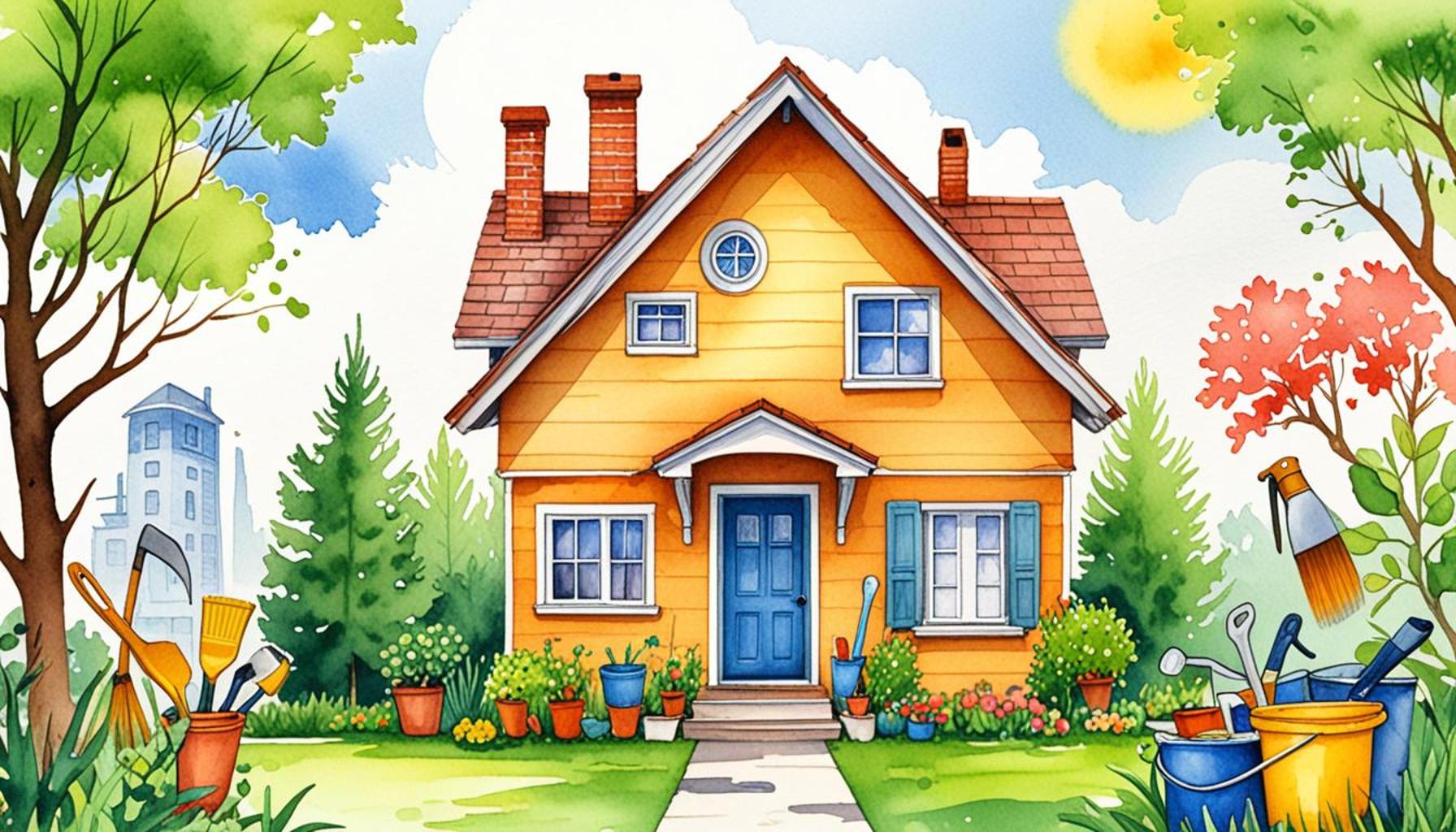
Home maintenance is a critical aspect of ensuring a comfortable living space, yet traditional methods often neglect the ecological footprint they leave behind. Embracing sustainable home maintenance not only nurtures your home but also promotes a healthier planet. By incorporating eco-friendly practices into your routine, you can significantly reduce your environmental impact while enjoying the benefits of a well-kept home.
Benefits of Eco-Friendly Upkeep
The advantages of adopting sustainable maintenance techniques extend beyond mere environmental considerations. Here are some key benefits:
- Cost Savings: By utilizing energy-efficient appliances, homeowners can cut down on monthly utility costs. For instance, switching to LED lighting can result in savings of up to 75% on energy bills compared to traditional incandescent bulbs. Additionally, performing regular maintenance on HVAC systems ensures they run efficiently, preventing costly repairs down the line.
- Healthier Living Environment: Traditional cleaning products often contain harmful chemicals that compromise indoor air quality. Opting for non-toxic materials such as natural cleaners can help maintain a safe environment for you and your family. Research indicates that exposure to volatile organic compounds (VOCs) can lead to respiratory issues and other health problems. By eliminating these substances, you promote a healthier home.
- Increased Property Value: Homes equipped with sustainable features, like solar panels or rainwater harvesting systems, are gaining popularity among prospective buyers. According to a study by the National Association of Realtors, homes with green certifications sold for an average of 10% more than comparable non-certified homes. This trend highlights the growing demand for eco-friendly properties in the real estate market.
Simple Adjustments for a Greener Home
Transitioning to sustainable home maintenance doesn’t necessitate a complete lifestyle change. Small, manageable adjustments can yield significant results. Consider the following:
- Using recycled materials for renovations not only reduces waste but also gives unique character to your home. For example, reclaimed wood can be transformed into beautiful flooring or furniture, adding rustic charm while promoting sustainability.
- Investing in energy-efficient appliances can lower your energy consumption drastically. Look for ENERGY STAR certified appliances, which can save you hundreds of dollars over their lifespan.
- Establishing a routine for regular maintenance of systems such as plumbing and electrical can prevent leaks and malfunctions that lead to resource wastage. Simple tasks, such as cleaning gutters or servicing your air conditioner, enhance efficiency and extend the lifespan of your home systems.
As the demand for sustainable practices rises in the United States, more homeowners are waking up to the dual benefits of eco-friendly choices: environmental responsibility and practicality. By embracing sustainable home maintenance, you play a crucial role in creating a more sustainable future while preserving the integrity and value of your home.
DISCOVER MORE: Click here to uncover effective cleaning strategies

Practical Steps Towards Sustainable Home Maintenance
As homeowners strive to reduce their ecological footprint, adopting sustainable home maintenance practices becomes increasingly essential. Making conscious choices about how we care for our homes can nurture our environment and promote a lasting quality of life. Below are some practical and actionable steps you can take to elevate your home’s sustainability.
Energy Conservation Techniques
Implementing energy conservation methods is a cornerstone of sustainable home maintenance. Here are key strategies:
- Seal and Insulate: Ensure your home is well-sealed to prevent air leaks. Insulating windows and doors keeps your home comfortable throughout the seasons and reduces reliance on heating and cooling systems.
- Smart Thermostats: Investing in a smart thermostat allows you to efficiently control your home’s temperature, ultimately reducing energy consumption. These devices learn your schedule and adapt accordingly, optimizing comfort while minimizing waste.
- Utilize Natural Light: Open curtains and blinds during the day to take advantage of natural sunlight. This not only brightens your home but can also reduce reliance on artificial lighting.
Water Efficiency Practices
Water conservation is another critical component of sustainable maintenance. Consider implementing these strategies:
- Low-Flow Fixtures: Install low-flow showerheads and faucets to decrease water usage without sacrificing performance. These simple changes can reduce your household water consumption significantly.
- Rain Barrels: Collect rainwater for gardening or washing your car. Rain barrels collect stormwater runoff and allow you to harness this free resource, reducing reliance on municipal water supplies.
- Regular Leak Checks: Conduct routine checks on plumbing fixtures and irrigation systems. Even small leaks can lead to substantial water loss over time, and addressing them promptly can save you money and resources.
Eco-Friendly Cleaning Solutions
Many conventional cleaning products contain harmful chemicals that can affect indoor air quality. Embracing eco-friendly alternatives can improve your home’s environment and safeguard your family’s health:
- Homemade Cleaners: Utilize ingredients like vinegar, baking soda, and essential oils to create effective cleaning solutions. These natural alternatives are often just as effective and much safer for both your home and the planet.
- Biodegradable Products: When purchasing cleaning supplies, opt for biodegradable options that break down naturally in the environment. Supporting companies that prioritize sustainability can align your purchases with your eco-friendly ethos.
- Reduce Single-Use Products: Transitioning to reusable cleaning cloths over disposable paper towels can not only decrease waste but also save money in the long run. Look for recyclable or compostable options for cleaning pads and supplies.
Incorporating these sustainable practices into your home maintenance routine offers the opportunity to create a healthier living environment while making responsible choices for our planet. Whether through energy savings, water conservation, or eco-friendly cleaning, every small adjustment contributes to a more sustainable future.
| Category | Description |
|---|---|
| Energy Efficiency | Implementing energy-efficient practices, such as using LED lighting and high-efficiency appliances, can significantly reduce your carbon footprint. |
| Water Conservation | Adopting water-saving fixtures and rainwater harvesting techniques not only benefits the environment but also lowers utility bills. |
| Sustainable Materials | Using reclaimed wood and non-toxic materials ensures your home maintenance is eco-friendly while enhancing aesthetic appeal. |
| Maintenance Scheduling | Regular inspections and maintenance prolong the lifespan of home components, ensuring sustainable upkeep and saving costs in the long run. |
Integrating sustainable home maintenance techniques not only promotes eco-conscious living but also contributes to a healthier home environment. Long-lasting upkeep processes can save homeowners money and resources, making the transition to sustainability both practical and effective. Focusing on energy efficiency, water conservation, and the use of sustainable materials allows homeowners to embrace eco-friendly practices that pave the way for a greener future. Keeping a maintenance schedule is crucial, as it helps in early detection of potential issues, thereby preserving the integrity of your property. Each step you take towards sustainability not only benefits your household but also supports broader environmental initiatives. Explore more about sustainable practices that can lead to long-lasting, eco-friendly homes.
DISCOVER MORE: Click here to learn how to declutter for efficiency
Materials and Practices for a Sustainable Home
As we delve deeper into sustainable home maintenance, it becomes essential to consider the materials we use and the practices we adopt in our homes. By selecting sustainable, eco-friendly options and integrating them consistently, homeowners can contribute to reduced waste while enhancing the longevity and efficiency of their residences. The following suggestions highlight materials and practices to bolster your home’s sustainability.
Choosing Sustainable Materials
The choice of materials during renovations or upgrades can significantly impact both environmental sustainability and your home’s durability. Here are effective ways to make better choices:
- Recycled Building Materials: Using reclaimed wood, recycled glass, or metal can help reduce environmental impact while enhancing aesthetic appeal. Look for local sources that provide materials salvaged from other construction projects, which often results in unique designs and contributes to resource conservation.
- Low-VOC Paints: When refreshing your home’s interior, opt for low-VOC (volatile organic compounds) paints. These paints emit fewer harmful chemicals, promoting better indoor air quality. Brands like Benjamin Moore and Sherwin-Williams offer a range of eco-friendly options without compromising on quality.
- Durable Flooring Options: Consider sustainable flooring options such as bamboo or cork, which are both renewable resources. Bamboo grows quickly and absorbs carbon dioxide efficiently, while cork is harvested from the bark of the cork oak tree without harming the tree itself.
Landscaping for Sustainability
Your outdoor spaces play a significant role in sustainable home maintenance. Thoughtful landscaping not only enhances curb appeal but also supports ecological health:
- Xeriscaping: Implement xeriscaping techniques that use drought-resistant plants to minimize water use. Native plants require less maintenance and irrigation, making landscapes not only beautiful but also resilient against climate changes.
- Composting: Establish a compost system for your yard waste and kitchen scraps to reduce landfill waste significantly. Composting enriches soil and promotes healthy plant growth, which can create a lush and sustainable garden space.
- Creating Wildlife Habitats: Encourage local wildlife by incorporating native plants, birdhouses, or pollinator gardens into your landscape. These habitats support biodiversity and foster ecological balance, providing vital resources for local fauna.
Mindful Renovating and Repairing
Sustainable home maintenance also encompasses how we approach renovations and repairs. Simple, mindful practices can make a big difference:
- Upcycling Furniture: Instead of discarding old furniture, consider upcycling or repurposing it. A coat of paint or a new upholstery can breathe new life into outdated pieces while keeping them out of landfills.
- Professional Eco-Friendly Services: When hiring contractors for major repairs or renovations, vet them for eco-friendly practices. Encourage them to implement sustainable approaches, whether it’s using green materials or adhering to waste reduction protocols on job sites.
- Regular Maintenance Checks: Staying proactive with home maintenance can prevent minor issues from escalating into costly repairs. Schedule regular inspections for roofs, plumbing, and electrical systems to ensure long-term efficiency and environmental sustainability.
By choosing sustainable materials, rethinking outdoor practices, and approaching projects with mindfulness, homeowners can significantly impact energy conservation and ecological preservation in their homes. Engaging in these practices not only enhances your living space but promotes an eco-conscious lifestyle, paving the way for a healthier planet for generations to come.
DISCOVER MORE: Click here to learn how to keep your space in top shape
Conclusion
In summary, achieving sustainable home maintenance is a multifaceted endeavor that combines thoughtful material choices, mindful practices, and a strong commitment to eco-friendly solutions. As homeowners, we hold the power to influence not just our immediate environment but also contribute to the larger goal of environmental conservation. By incorporating sustainable materials, such as recycled building supplies and low-VOC paints, we can significantly reduce our ecological footprint while simultaneously enhancing the aesthetic and functional qualities of our homes.
Beyond the interior, landscaping practices play an equally pivotal role in sustaining our ecosystems. Approaches like xeriscaping and composting not only beautify our surroundings but also encourage biodiversity and soil health. Additionally, through mindful renovations and repairs—such as upcycling and selecting eco-conscious contractors—we can extend the life of our homes and minimize waste.
Ultimately, the journey toward a sustainable home is an ongoing process, one that requires dedication and continual learning. By adopting these eco-friendly upkeep strategies, homeowners can ensure that their residences remain not only comfortable but also harmonious with nature. Let us embrace these practices, not only for our benefit but for the preservation of our planet for future generations. Each small step counts, and together, we can build a more sustainable future, starting right at home.

Linda Carter
Linda Carter is a home organization writer and cleaning efficiency specialist who helps households maintain spotless spaces with minimal effort. With extensive experience developing smart cleaning systems and preventive maintenance routines, she shares practical strategies on our platform for streamlining chores and preserving home value. Her goal is to empower homeowners with time-saving techniques and proactive care strategies to create cleaner, healthier, and more manageable living environments.