The Role of Indoor Plants in Enhancing Air Quality and Reducing Cleaning Needs
The Importance of Indoor Plants in Enhancing Air Quality
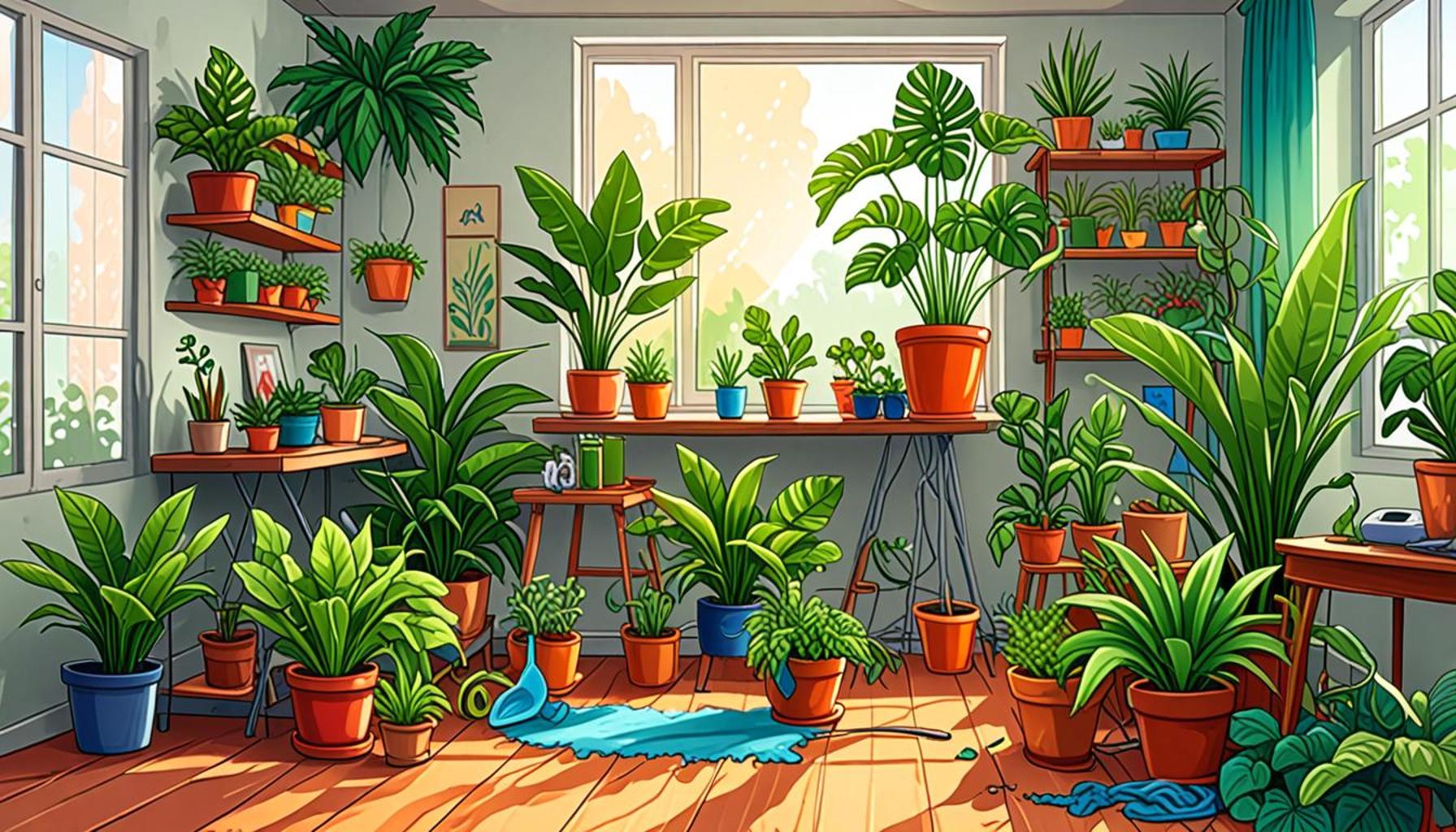
Indoor environments often suffer from poor air quality and increased dust accumulation, which can impact both health and cleanliness. Recent studies reveal that integrating indoor plants can significantly improve air quality while also contributing to a cleaner space. The importance of this is magnified in urban settings like New York City and Los Angeles, where air pollution can infiltrate even indoor environments, worsening respiratory issues and allergies for residents.
- Plants like the Spider Plant, Peace Lily, and Snake Plant are renowned for their air-purifying abilities. Research indicates that these plants can filter out common indoor pollutants, making them ideal companions for those striving for a healthier home. The Spider Plant, for instance, is not only easy to care for but is particularly adept at removing formaldehyde from the air.
- By removing harmful toxins such as formaldehyde and benzene, these plants enhance the overall atmosphere of your home or office. Formaldehyde is often found in household products like carpets and varnishes, while benzene can come from tobacco smoke and vehicle emissions. Incorporating these plants into your living space can create a safer and more pleasant environment.
- Furthermore, greenery can create a calming environment, potentially reducing stress and enhancing productivity. Studies have shown that individuals who work in biosphere-rich environments experience higher levels of concentration and lower levels of stress, demonstrating the psychological benefits of having plants around.
In addition to improving air quality, indoor plants play a practical role in minimizing cleaning efforts. Their presence can:
- Trap dust and reduce airborne particles, leading to cleaner surfaces. Plants, through a process called deposition, capture dust on their leaves, which can reduce the frequency of dusting and cleaning necessary in your home. A single indoor plant can collect a significant amount of dust, acting as a natural air filter.
- Lower humidity levels, which help prevent mold and mildew buildup. This is particularly important in regions with high humidity, such as the Gulf Coast, where indoor plants like the Boston Fern can help regulate moisture levels in the air.
- Provide a natural aesthetic that can eliminate the need for certain decorative items, simplifying upkeep. Instead of cluttering your space with decorative objects that require dusting, choose vibrant plants that serve as both decor and air cleaners, creating a harmonious and appealing environment.
With more individuals spending time indoors, especially in light of recent global events promoting remote work, understanding how indoor plants contribute to a healthier living space becomes increasingly essential. Exploring this topic provides insight into the numerous benefits these green additions can offer, from improving air quality to easing the burden of maintenance in our homes. Delving into the world of indoor gardening may encourage you to rethink your own living space and consider the profound impact of adding nature indoors.
DON’T MISS: Click here for essential tips
Indoor Plants: Natural Air Filters
The significance of indoor plants in tackling air pollution and enhancing indoor air quality cannot be overstated. Studies conducted by institutions like NASA have confirmed that certain houseplants can effectively remove up to 87% of indoor air pollutants within 24 hours. This remarkable ability makes these plants essential companions in improving the air we breathe inside our homes and offices.
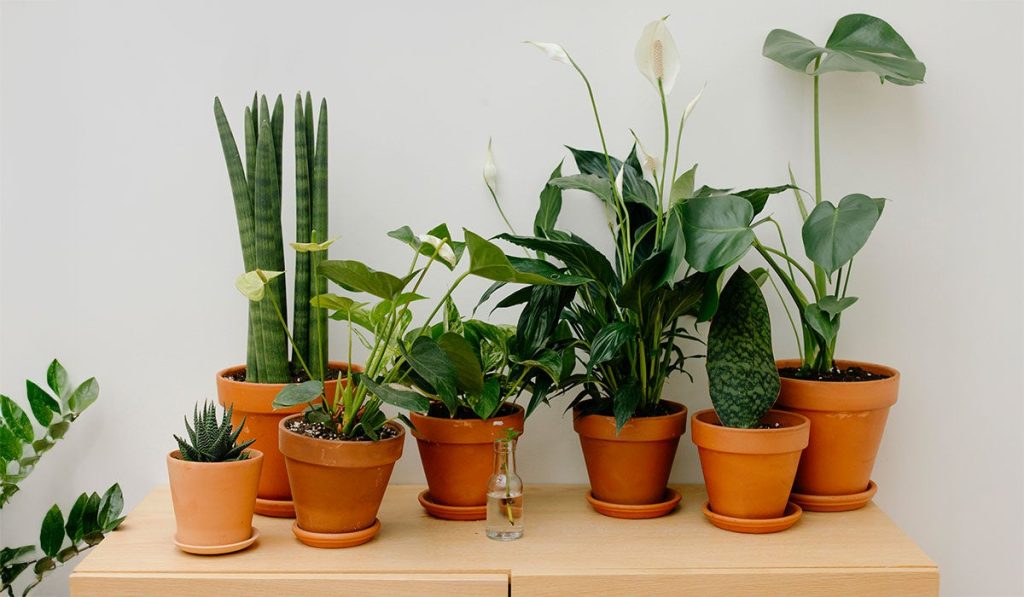
One of the most compelling advantages of indoor plants is their capability to purify the air. Plants such as the Peace Lily and the Rubber Plant have been identified as exceptional air purifiers. The Peace Lily, renowned for its elegant white blooms, excels at removing toxins like ammonia and xylene, often found in cleaning products and paint. Meanwhile, the Rubber Plant is not just aesthetically pleasing; it can absorb chemicals from the air, contributing to a cleaner indoor environment. These plants not only improve air quality but also bring a touch of nature’s beauty into any space.
Moreover, integrating indoor plants into your living space can lead to tangible health benefits. Cleaner air can alleviate symptoms of allergies and respiratory issues, improving overall well-being. A study published in the journal “Environmental Psychology” found that exposure to plants in indoor environments correlates with enhanced mood and cognitive function. This suggests that by simply surrounding ourselves with greenery, we can foster a more positive atmosphere conducive to productivity and creativity.
Reduction of Indoor Pollution
The properties of indoor plants extend beyond mere aesthetic appeal. These living organisms play a vital role in combating indoor air pollution by:
- Absorbing harmful gases: Many houseplants have the unique ability to absorb gases like carbon dioxide and release oxygen, helping to maintain balanced air levels.
- Transpiring moisture: Through a process called transpiration, plants release moisture into the air, which can help improve humidity levels. This is particularly beneficial in dry climates, where indoor air can become excessively dry.
- Producing oxygen: Houseplants naturally photosynthesize, converting carbon dioxide into oxygen. This process enriches the air we breathe, fostering healthier living conditions.
As we spend more time indoors—whether working from home or enjoying leisure time—the role of indoor plants becomes even more critical. Their ability to create a cleaner atmosphere not only aids in reducing health risks but also complements our efforts in maintaining a tidy and organized living space. With numerous plants available that can purify air and simultaneously serve as decorative elements, it is no wonder that the trend of incorporating greenery into homes is on the rise.
Ultimately, the integration of indoor plants into our homes significantly enhances air quality while simplifying cleaning routines. By understanding these benefits and fostering a connection with indoor gardening, individuals can create healthier surroundings, ultimately enriching their daily lives.
The Role of Indoor Plants in Enhancing Air Quality and Reducing Cleaning Needs
Indoor plants are not just aesthetic additions to your home or office; they play a crucial role in enhancing air quality. Through the process of photosynthesis, these green companions absorb carbon dioxide and release oxygen, improving the overall atmosphere. Certain plants, like the peace lily and spider plant, are particularly effective at filtering out toxins such as formaldehyde and benzene. This natural purification system makes the air cleaner and fresher, significantly contributing to a healthier indoor environment.
Moreover, incorporating plants into your living space can lead to a reduction in cleaning needs. With natural humidity regulation provided by plants, dust accumulation tends to be lower. Plants release moisture, which can help keep dust particles from floating in the air. Additionally, some indoor plants have natural antibacterial properties that can minimize germs and ultimately reduce the frequency of cleaning required. In turn, this can save time and make the living space feel more inviting.
| Air Quality Improvement | Cleaning Benefits |
|---|---|
| Plants absorb harmful pollutants | Reduced dust accumulation |
| Increased oxygen levels | Lower frequency of cleaning |
The integration of indoor plants into our surroundings not only benefits air quality but also creates an inviting atmosphere that minimizes the need for constant cleaning. This sustainability factor makes indoor plants a compelling choice for anyone looking to enhance their indoor environment.
DISCOVER MORE: Click here to learn about multi-tasking cleaning techniques
The Synergy of Indoor Plants and Cleanliness
Beyond their air-purifying properties, indoor plants play an instrumental role in reducing overall cleaning needs. The presence of greenery in our homes can naturally contribute to the maintenance of a clean and organized environment. This synergy between plants and cleanliness is often underestimated but offers valuable benefits for homeowners and renters alike.
Firstly, indoor plants can enhance the microbial balance in indoor environments. Research has shown that certain plants harbor beneficial bacteria and microorganisms in their soil, which contribute to a healthier indoor ecosystem. This natural microbial activity can help to combat harmful pathogens, reducing the prevalence of dust and allergens in the air. For instance, having a few Spider Plants or Boston Ferns can foster these beneficial bacteria, subsequently aiding in the reduction of dust accumulation on surfaces. Consequently, less dust means that individuals spend less time engaging in frequent cleaning routines to keep their homes dust-free.
Moreover, plants have been found to absorb pollutants that contribute to unpleasant odors. Conventional air fresheners often mask bad smells rather than eliminate them, potentially introducing additional chemicals into your space. However, many indoor plants such as the Areca Palm and Gerbera Daisy not only improve air quality but also act as natural deodorants. By breaking down pollutants and purifying the air, these plants can help maintain a fresher, more inviting indoor atmosphere, which reduces the need for chemical cleaning products and artificial fragrances.
Enhancing Humidity and Reducing Static Electricity
Another significant contributor to cleaner living spaces is the impact of indoor plants on humidity levels. As mentioned earlier, plants release moisture into the air through transpiration. In contrast to the dry air produced by heating systems during winter months in many U.S. households, this moisture creates a more comfortable environment and can help reduce static electricity build-up. This is particularly advantageous in dry seasons, as less static means a lower likelihood of dirt and dust clinging to surfaces, thereby simplifying cleaning tasks.
In addition, maintaining optimal humidity levels can prevent the proliferation of mold and mildew, both of which can lead to extensive cleaning dilemmas and health hazards. Plants like the Dracaena help to maintain a balanced humidity level and mitigate such risks, fostering a cleaner living space with minimal intervention.
It’s crucial to note that the choice of indoor plants can further enhance these benefits. Selecting low-maintenance varieties such as the Snake Plant or the Pothos not only provides air purification but also minimizes the effort required for care and upkeep. These hardy plants thrive in a variety of conditions while still delivering advantages in air quality and ease of maintenance.
With increasing awareness of the health effects of air quality and the desire for cleaner living spaces, integrating indoor plants into our homes offers a simple yet profound solution. These green companions serve not only as natural air filters but also as allies in the ongoing battle against indoor pollution and cleaning needs.
DISCOVER MORE: Click here for sustainable cleaning solutions
Conclusion
In summary, the incorporation of indoor plants into our living spaces is not merely an aesthetic choice; it serves as a vital strategy for improving air quality and reducing the frequency and intensity of cleaning. By enhancing the microbial balance within our homes, these plants create a healthier living environment that actively reduces dust and allergens. Furthermore, their ability to absorb pollutants and odors provides a natural alternative to chemical air fresheners, fostering a fresher indoor atmosphere.
As we navigate modern living, particularly in the United States where indoor air quality can be considerably affected by pollutants from our daily activities, the role of plants becomes even more significant. The advantages of increased humidity levels prevent the growth of mold and mildew while diminishing static electricity, ensuring that our spaces remain not only cleaner but also more comfortable.
With an abundance of low-maintenance options like Snake Plants and Pothos, anyone can effortlessly reap the benefits of having plants in their home. Ultimately, investing in indoor plants is an accessible means to enhance our health while simplifying our cleaning routines, making them a quintessential component of a modern, eco-friendly lifestyle. Embracing this trend could lead to a rejuvenated atmosphere in our homes, prompting us to commit to a greener future, both for our well-being and the planet. It’s time to consider how these humble green companions can transform your living space into a sanctuary of cleanliness and comfort.

Linda Carter
Linda Carter is a home organization writer and cleaning efficiency specialist who helps households maintain spotless spaces with minimal effort. With extensive experience developing smart cleaning systems and preventive maintenance routines, she shares practical strategies on our platform for streamlining chores and preserving home value. Her goal is to empower homeowners with time-saving techniques and proactive care strategies to create cleaner, healthier, and more manageable living environments.