Eco-Friendly Cleaning Products: Reducing Toxicity in Your Home
The Need for Change
As awareness grows regarding the impact of cleaning chemicals on health and the environment, many individuals are reevaluating their choices. Conventional cleaning products often contain substances like ammonia, chlorine, and phthalates—chemicals linked to respiratory problems, skin irritations, and even long-term health issues. As families aim to create a safe refuge in their homes, eco-friendly cleaning products stand out as a viable alternative.
Benefits of Eco-Friendly Cleaning Products
Switching to eco-friendly products can yield significant advantages. With the shift towards natural ingredients, consumers can significantly reduce toxicity in their households. For instance, vinegar, a common ingredient in many green cleaners, is known for its ability to kickstart the cleaning process without the harmful fumes associated with typical cleaning agents.
Another major advantage is their positive environmental impact. Eco-friendly products are designed to break down in nature without leaving harmful residues. Not only are many of these products biodegradable, but eco-conscious brands also prioritize recyclable packaging, which reduces waste and encourages sustainability. For example, brands like Seventh Generation and Method have embraced these principles, showing consumers that effective cleaning doesn’t have to cost the Earth.
One of the notable benefits of using non-toxic products is the improvement in indoor air quality. Traditional cleaning products can release volatile organic compounds (VOCs) that lead to health issues. By replacing these with eco-friendly alternatives, families may notice a reduction in symptoms related to allergies and asthma, making for a healthier living environment. A study conducted in 2021 revealed that households that transitioned to green cleaning products reported a marked decrease in allergy flare-ups among children.
Growing Consumer Consciousness
As consumers become more knowledgeable and conscious about the impact of their purchases, the demand for green cleaning products is on the rise. This shift in consumer behavior has prompted numerous brands to innovate and offer eco-friendly options that promise effective cleaning without the health risks. Companies like Mrs. Meyer’s Clean Day provide an eclectic range of biodegradable products infused with essential oils, combining effectiveness with pleasant scents.
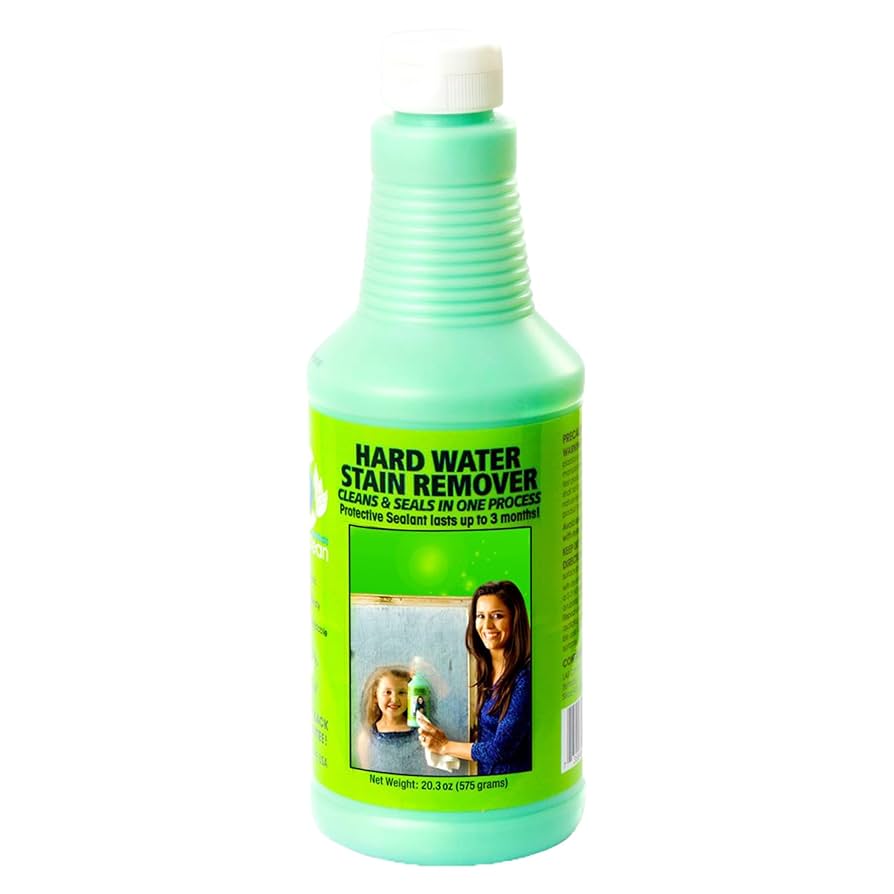
For those interested in DIY solutions, making your own eco-friendly cleaners can be empowering and cost-effective. Simple ingredients, such as baking soda, lemon juice, and essential oils, can create powerful cleaning agents while ensuring safety for children and pets.
Concluding Thoughts
In a world where the environmental and health implications of our choices are more evident than ever, opting for eco-friendly cleaning products emerges as a rational solution. Whether motivated by health concerns, a desire to protect the environment, or simply wanting to foster a safer home, consumers will find that there are myriad choices available. In the following sections, we will explore specific eco-friendly products, simple recipes for homemade cleaners, and reliable indicators for identifying sustainable options in the marketplace. Explore these alternatives to transform your cleaning routine into one that is both effective and conscientious.
DISCOVER MORE: Click here for a simple cleaning routine
Understanding Ingredients: The Power of Nature
Choosing eco-friendly cleaning products requires understanding the ingredients that go into them. Traditional cleaning agents often rely on synthetic chemicals, which can be harmful not just to people but to the planet as well. By contrast, eco-friendly cleaners prioritize natural components that effectively tackle dirt and grime without posing health risks. Some of the most commonly used ingredients in green cleaning solutions include:
- Vinegar: A natural disinfectant, vinegar can break down mineral deposits and grease, all while leaving a fresh smell.
- Baking Soda: Known for its deodorizing properties, baking soda can be an excellent abrasive cleaner for scrubbing surfaces.
- Castile Soap: This vegetable-based soap is fantastic for general cleaning and is gentle on the skin.
- Essential Oils: Beyond offering natural fragrances, many essential oils like tea tree and lavender have antibacterial properties.
Families making the switch to eco-friendly cleaning products often find themselves reading labels more closely. It’s crucial to look for certifications from trusted organizations such as the Environmental Protection Agency (EPA) and The Green Seal, which ensure that products meet specific environmental standards. By choosing verified products, consumers can feel confident in their decisions to support both health and sustainability.
Comparative Effectiveness: Cleaning Power Without Compromise
One common misconception is that eco-friendly cleaning products lack the cleaning power of their chemical-laden counterparts. However, research indicates that many eco-friendly products perform just as well, if not better. A study conducted by the Cleaning Industry Research Institute showed that certain natural ingredients can break down tough stains and disinfect surfaces efficiently. This is a notable point to consider; consumers do not have to sacrifice cleaning efficacy for the sake of avoiding toxic substances.
Moreover, the versatility of many eco-friendly products allows consumers to replace multiple traditional cleaners with just a few natural alternatives. For example, one bottle of multi-surface cleaner based on natural ingredients can effectively clean countertops, glass, and even floors, simplifying the cleaning routine while minimizing clutter under the sink.
Making Eco-Friendly Choices Accessible
Accessibility is another essential factor driving the uptake of eco-friendly cleaning products. Major retailers across the United States, like Target and Walmart, have begun to stock a wider range of green products, making them more available to the average consumer. Furthermore, many local co-ops and health food stores specialize in these products, allowing shoppers to support community businesses while making healthier choices.
With such a wealth of information available, families are now better equipped than ever to make informed decisions about cleaning products. As the market continues to evolve, one can expect even more innovation in the area of eco-friendly cleaning, reinforcing the idea that cleanliness and sustainability can harmoniously coexist.
When considering the move towards a healthier living environment, eco-friendly cleaning products offer a remarkable solution for reducing toxicity in your home. Traditional cleaning supplies often contain harmful chemicals that can pose health risks to both families and pets. By opting for environmentally safe alternatives, you can not only protect your loved ones but also contribute to the sustainability of our planet. Understanding these products’ intricate benefits can ignite a transition toward greener living.
The Shift Towards Natural Ingredients
Research indicates that a significant percentage of indoor air quality issues can be traced back to toxic chemicals present in standard cleaning products. Eco-friendly solutions typically utilize natural ingredients that are less likely to produce harmful fumes, making them a safer choice for both respiratory health and the environment. Ingredients like vinegar, baking soda, and essential oils not only clean effectively but also leave your space smelling fresh without synthetic fragrances.
Reducing Allergens and Irritants
For individuals with allergies or sensitivities, conventional cleaning agents can exacerbate symptoms. Eco-friendly cleaning products greatly minimize allergens and irritants, contributing to improved indoor air quality. By ensuring that these natural solutions combat germs without the presence of harsh chemicals, you elevate your home’s health quotient. This vital information prompts many homeowners to reconsider their cleaning habits.
Cost-Effective and Efficient
Interestingly, eco-friendly cleaning products can also be cost-effective. Many DIY recipes utilize everyday household items, offering an economical alternative to buying brand-name products. Moreover, with a growing market for green cleaning, many manufacturers are now producing concentrated formulas that require lower quantities for effective results, meaning fewer purchases overall.
Positive Environmental Impact
The benefits of adopting eco-friendly cleaning practices extend to the wider ecosystem. Traditional cleaning chemicals can contaminate water sources and harm wildlife. By choosing sustainable products, you actively participate in reducing environmental pollution, fostering a healthier planet. The connection between personal health and environmental well-being is becoming increasingly obvious, encouraging more people to make the switch.
| Category | Key Features |
|---|---|
| Natural Ingredients | Utilizes safe and non-toxic components such as vinegar and essential oils. |
| Health Benefits | Reduces allergens and irritants, improving respiratory health. |
Ultimately, the move towards eco-friendly cleaning products is not just a trend—it’s a critical step toward enhancing your home’s health while safeguarding the environment. Exploring these options equips individuals with the knowledge to make informed choices that contribute positively to their households and the world around them.
DIVE DEEPER: Click here to uncover the secrets of effective time management
From DIY Solutions to Store-Bought Options
The growing demand for eco-friendly cleaning products has led many homeowners to consider not just store-bought options but also do-it-yourself (DIY) alternatives. DIY cleaning products can be simple and cost-effective, involving just a few ingredients commonly found in most households. Recipes for basic cleaners often include combinations like vinegar and water for a glass cleaner or baking soda and lemon juice for scrubbing surfaces.
One of the major advantages of DIY solutions is the complete control it gives you over the ingredients involved. For example, many families opt for homemade laundry detergents that can be customized to exclude any allergens or irritating scents. According to a survey by Green America, nearly 60% of consumers are interested in learning how to create their own cleaning products, highlighting a shift towards empowering individuals in making sustainable choices.
Environmental Impact: A Bigger Picture
Using eco-friendly cleaning products isn’t just about personal health; it has a broader environmental impact as well. Traditional cleaning agents often release volatile organic compounds (VOCs) into the air, contributing to indoor air pollution. These substances can lead to respiratory issues and other health problems. Research indicates that switching to greener alternatives can significantly improve indoor air quality. According to the EPA, cleaning with eco-friendly products can reduce VOC exposure by as much as 50%.
Furthermore, many commercially available eco-friendly products are packaged sustainably, emphasizing biodegradable materials that contribute less to landfills. Brands are now innovating with concentrated formulas that require less packaging, thus reducing overall waste. For instance, companies are introducing refill stations where customers can bring their own containers to refill cleaning products, promoting a circular economy that minimizes single-use plastics.
Incorporating Eco-Friendly Practices into Daily Life
Transitioning to eco-friendly cleaning products is only one part of adopting a more sustainable lifestyle. Many families are finding that integrating these practices extends beyond cleaning. Simple habits, like using reusable cleaning cloths instead of disposable paper towels, or switching to a washing machine safe mesh bag for laundry, can further enhance the eco-friendliness of household cleaning routines.
In addition, community initiatives are emerging to support environmentally conscientious behaviors. For example, neighborhood swap events for household products encourage sharing and reusing items like cleaning supplies, thereby reducing excess production and consumption. Educational workshops on sustainability also provide opportunities for people to learn about the benefits of substituting harmful household products with natural alternatives.
At the core of these movements is a growing awareness of one’s personal footprint on the planet. As consumers increasingly seek transparency from brands regarding the environmental processes behind their products, companies are compelled to adapt and innovate. This shift lays the groundwork for more sustainable production methods, ultimately paving the way for a healthier planet.
LEARN MORE: Click here for tips on extending your appliances’ lifespan
Conclusion: A Cleaner, Greener Home
As the movement toward sustainability gains momentum, the shift towards eco-friendly cleaning products reflects a deeper understanding of health, well-being, and environmental responsibility. Not only do these products significantly reduce harmful chemicals in our indoor environments, but they also contribute to a cleaner planet. By opting for natural alternatives, whether homemade or store-bought, consumers can limit their exposure to toxic substances, thereby safeguarding the health of their families.
The availability of DIY cleaning solutions further empowers individuals, allowing them to tailor their cleaning habits according to specific needs and preferences. This DIY approach complements a range of sustainable practices that include the thoughtful use of resources and the reduction of waste. Through community efforts, such as product swaps and educational workshops, people can learn how to make informed decisions that bolster the eco-friendly movement.
As brands respond to consumer demand for transparency and sustainability, the market for eco-friendly products is likely to expand, encouraging even more innovative solutions that benefit both people and the planet. Transitioning to eco-friendly cleaning products is not merely a trend; it is a significant lifestyle change that can have lasting impacts on our health and the environment. By consciously choosing greener cleaning options, individuals can play an active role in creating a healthier home and a more sustainable world for future generations. The journey towards eco-conscious living begins with the choices we make today—let’s choose wisely.

Linda Carter
Linda Carter is a home organization writer and cleaning efficiency specialist who helps households maintain spotless spaces with minimal effort. With extensive experience developing smart cleaning systems and preventive maintenance routines, she shares practical strategies on our platform for streamlining chores and preserving home value. Her goal is to empower homeowners with time-saving techniques and proactive care strategies to create cleaner, healthier, and more manageable living environments.